Plan your Bonaire trip
Bonaire is different from Aruba and Curaçao.
There are fewer large resorts, less nightlife and no need to fill your vacation with organized excursions. Much of the island is about having your own transportation, stopping at shore snorkeling and diving sites and spending time outside.
This Bonaire travel guide focuses on the decisions that matter: where to stay, whether you need a rental car or pickup, which snorkeling spots to start with, how to visit Washington Slagbaai and what else to do when you're not underwater.
Things to do in Bonaire
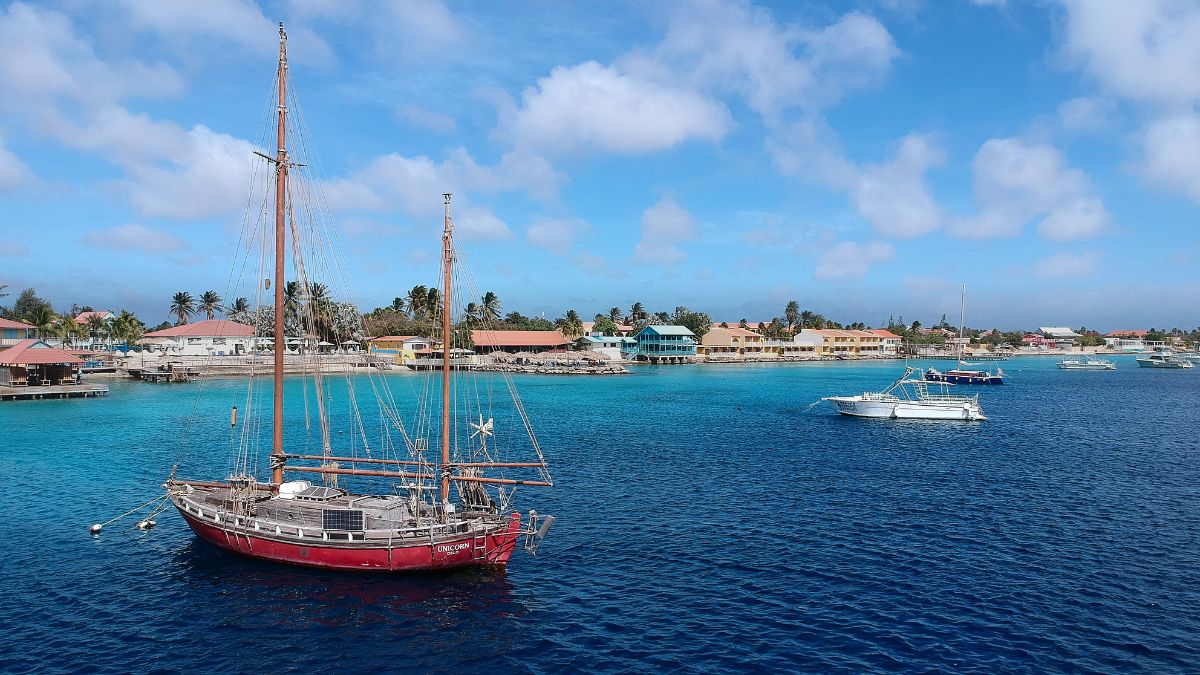
Bonaire isn’t only for divers. Explore Kralendijk, snorkel from the west coast, take a boat to Klein Bonaire, drive through Washington Slagbaai, see the southern salt flats or spend a day kayaking and exploring the island. Our complete guide brings together the experiences worth considering for a first Bonaire trip.
Read guide →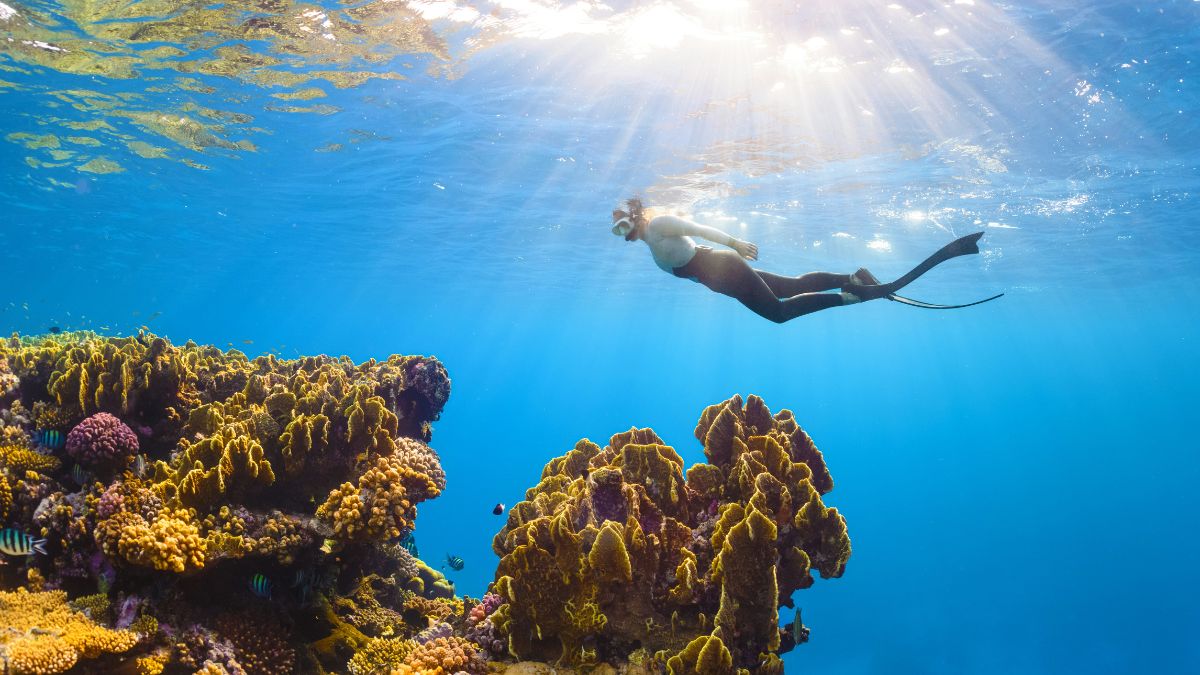
Best snorkeling in Bonaire
One of Bonaire’s biggest advantages is how much snorkeling can be done directly from shore. Compare west-coast snorkeling sites, entry conditions and Klein Bonaire, plus when paying for a boat or guided snorkeling trip actually makes sense.
Read guide →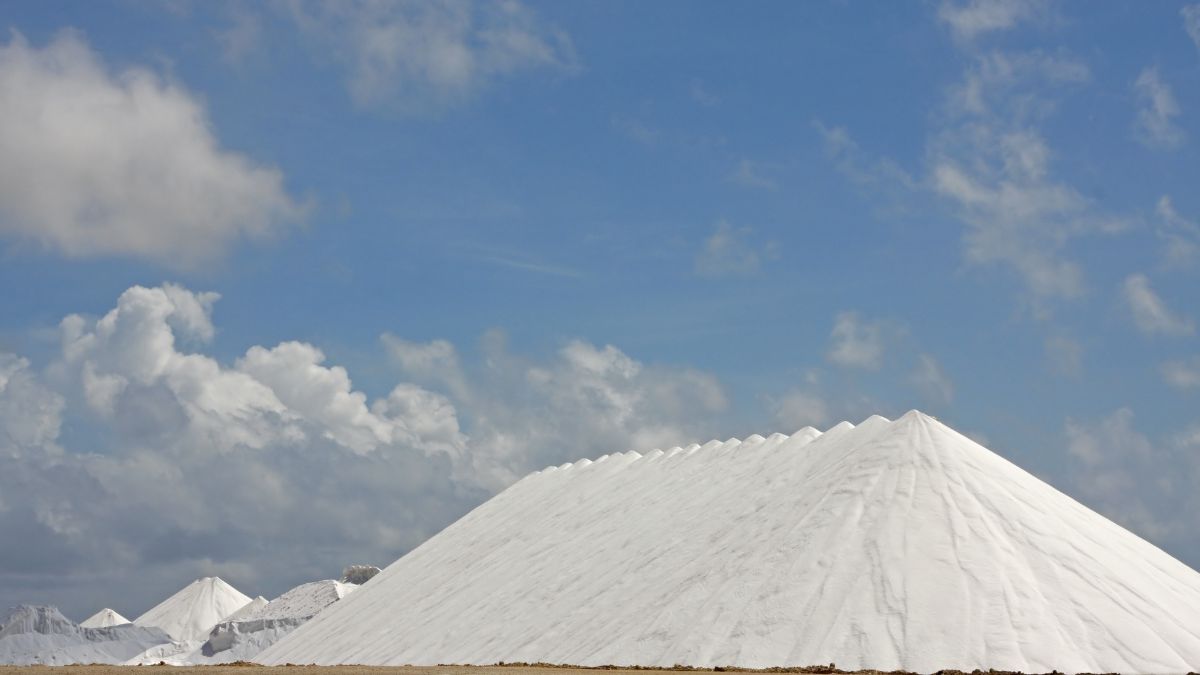
Bonaire salt flats
Bonaire’s southern landscape changes completely around the salt pans. Learn where to see the pink salt flats, salt pyramids and flamingos, how to explore the south by car and what you can actually access from the road.
Read guide →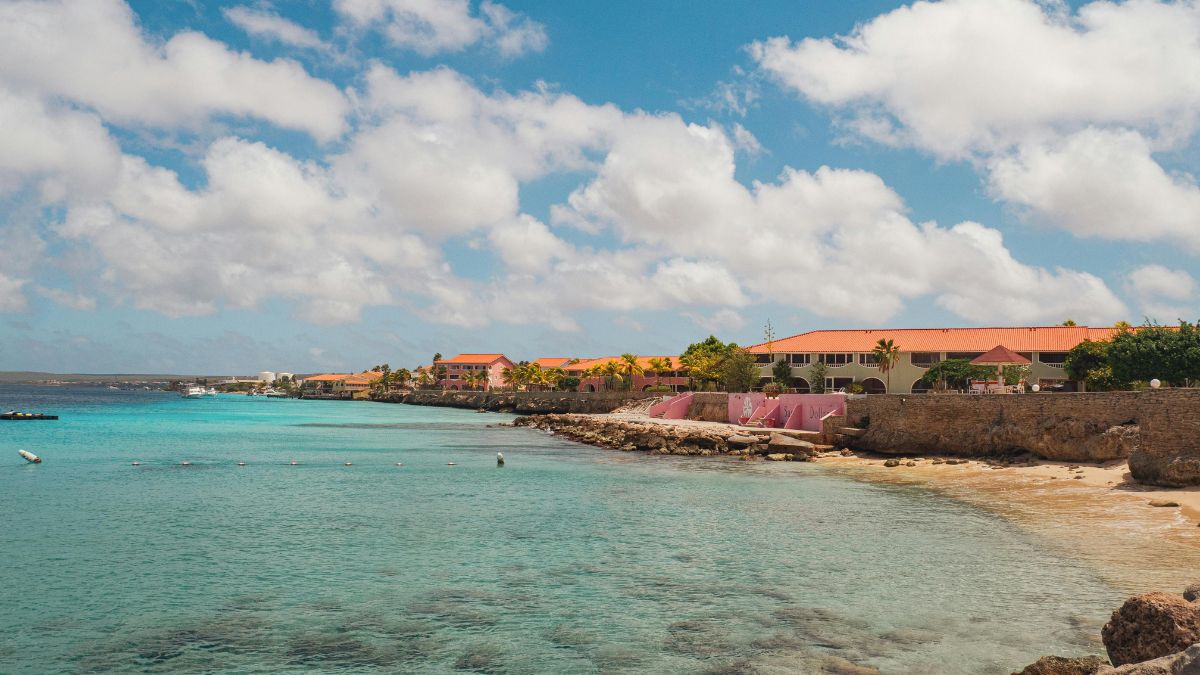
Where to stay in Bonaire
Bonaire doesn’t follow the same accommodation pattern as Aruba. Compare Kralendijk, oceanfront stays, dive resorts, apartments and quieter areas based on whether you want restaurants nearby, shore diving or more space.
Read guide →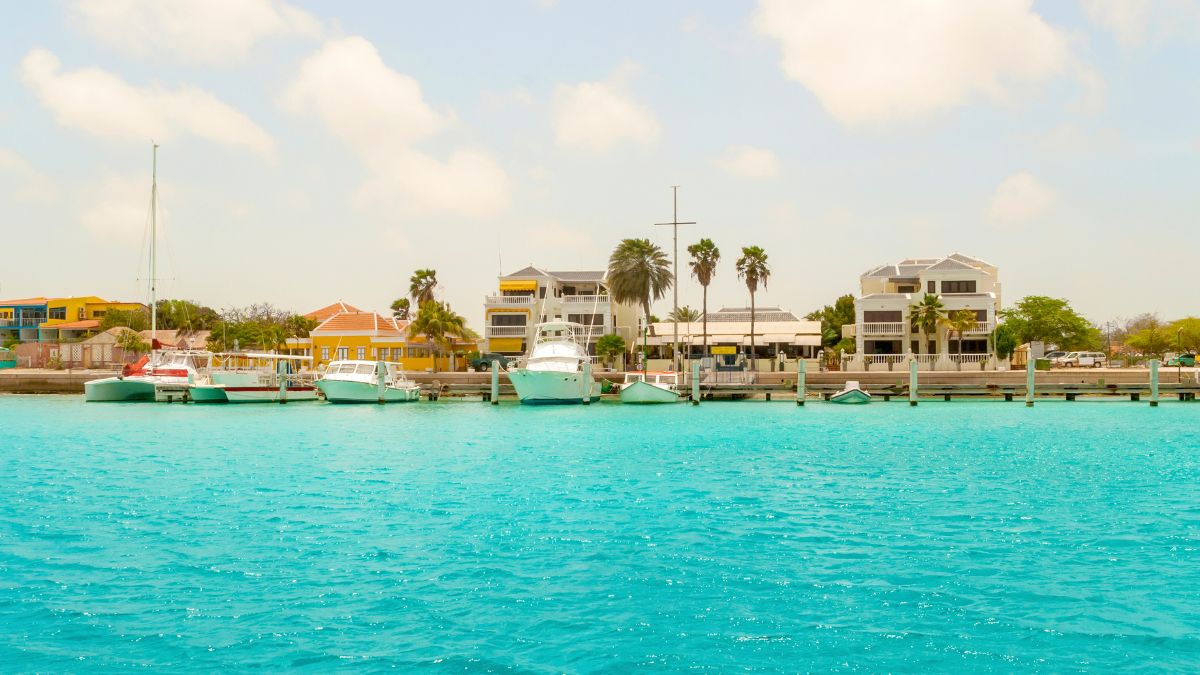
Getting around Bonaire
A rental vehicle gives you much more freedom on Bonaire. Find out when a normal rental car is enough, why pickups are popular with divers and what to consider if you plan to drive through Washington Slagbaai.
Read guide →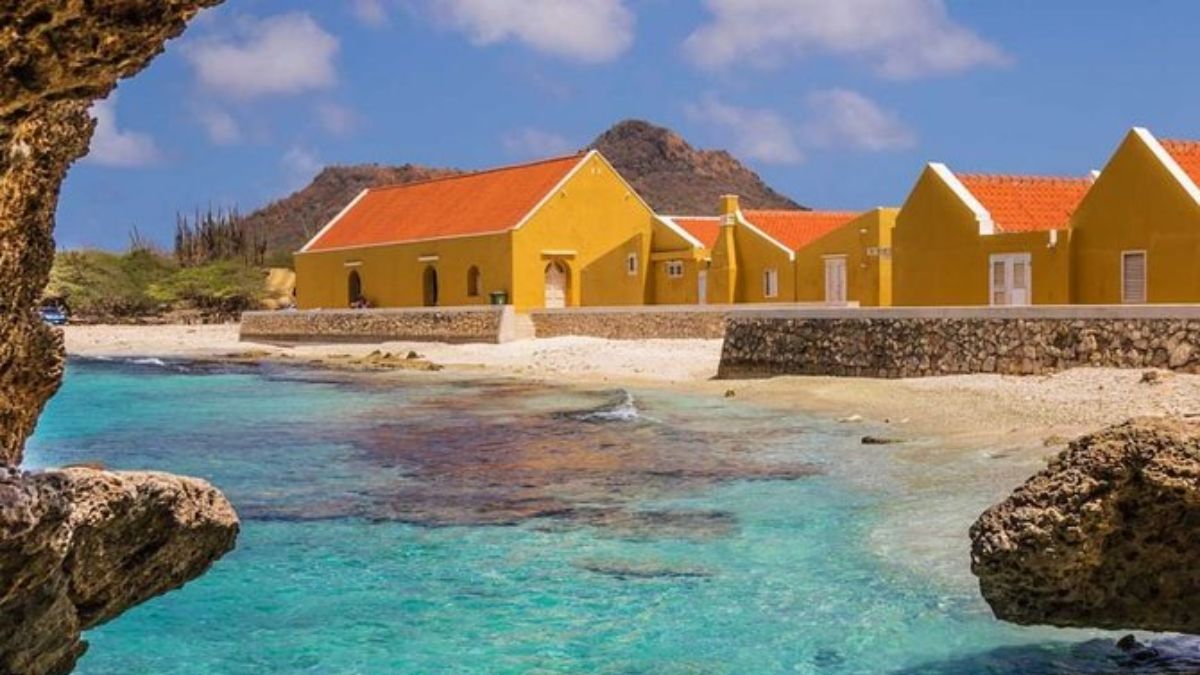
Washington Slagbaai National Park
Washington Slagbaai covers much of northern Bonaire and is one of the island’s major land days. Plan the drive, decide which route makes sense, see what to bring and understand why your choice of rental vehicle matters.
Read guide →Why visit Bonaire?
Bonaire is the quietest of the three ABC Islands.
The island is particularly known for shore diving and snorkeling, but that's only part of the experience.
Drive south from Kralendijk and you'll pass salt pans, salt pyramids and flamingos. Head north and the landscape becomes rougher around Washington Slagbaai National Park.
Just offshore sits Klein Bonaire, a small uninhabited island reached by boat.
And along much of Bonaire's western coastline, the Caribbean itself is the attraction.
You can spend one morning snorkeling from shore, another taking a boat to Klein Bonaire and an entire day exploring Washington Slagbaai.
Bonaire makes particular sense if you want more water and nature and less emphasis on large resorts and nightlife.
Bonaire at a glance
Quick facts for planning your Bonaire vacation.
Location
Southern Caribbean, around 86 km (53 miles) east of Aruba
Part of
ABC Islands — Aruba, Bonaire and Curaçao
Main town
Kralendijk
Languages
Papiamentu and Dutch; English is widely spoken in tourism
Currency
US dollar
Climate
Warm throughout the year, with Bonaire lying south of the main Atlantic hurricane belt
Known for
Shore diving, snorkeling, salt flats, flamingos, Klein Bonaire and Washington Slagbaai
Trip style
Independent exploring works particularly well, and a rental vehicle gives you much more freedom
What is Bonaire known for?
Bonaire is most strongly associated with diving.
But even if you never scuba dive, much of what makes the island attractive remains accessible.
Shore snorkeling and diving
Bonaire's western coast gives travelers access to numerous locations directly from shore.
Rather than needing a boat excursion every time you want to get in the water, you can drive between different sites and choose where to stop.
That independence is one of the biggest differences between Bonaire and many other Caribbean destinations.
Salt flats and flamingos
Drive through southern Bonaire and you'll encounter one of the island's most distinctive landscapes.
Large salt pans, salt pyramids and flamingos make this part of the island completely different from Kralendijk and the western snorkeling coast.
You don't need an entire day.
The south works particularly well as a self-drive loop combined with other stops.
Read our Bonaire salt flats guide →
Klein Bonaire
Klein Bonaire is a small uninhabited island just off Bonaire's west coast.
Don't confuse it with Klein Curaçao.
Klein Bonaire involves a much shorter boat journey and is particularly popular for snorkeling and beach time.
It can easily form part of a Bonaire vacation without consuming the same amount of time as a full-day Klein Curaçao excursion.
Washington Slagbaai National Park
The north of Bonaire offers another completely different landscape.
Washington Slagbaai National Park combines rugged roads, coastline, viewpoints, wildlife, beaches and snorkeling stops.
It's one of the days where planning ahead matters.
Check current access conditions and vehicle requirements before going rather than assuming every rental vehicle is suitable.
Planning your Bonaire trip
Bonaire rewards a relatively simple itinerary.
You don't need to schedule an excursion every day.
If snorkeling or diving is a major reason for visiting, leave enough unscheduled time to return to locations you like.
3 days in Bonaire
With three days, focus on the essentials:
- Day 1: Kralendijk + west-coast snorkeling
- Day 2: Southern Bonaire + salt flats + flamingos
- Day 3: Klein Bonaire or Washington Slagbaai
Trying to fit both Klein Bonaire and a full Washington Slagbaai day into a short stay can make the trip unnecessarily busy.
5 days in Bonaire
Five days gives you considerably more flexibility.
You can combine:
- Kralendijk
- several snorkeling locations
- southern Bonaire and the salt flats
- Klein Bonaire
- Washington Slagbaai
You also have room to repeat a snorkeling spot rather than constantly chasing another attraction.
7 days in Bonaire
A week is particularly useful for divers and snorkelers.
Instead of treating every day as sightseeing, alternate underwater days with land days.
A week gives you room for:
- several dive or snorkeling days
- Klein Bonaire
- Washington Slagbaai
- southern Bonaire
- kayaking, caves or another activity
- slower time around Kralendijk
Do you need a car in Bonaire?
For most travelers who want to explore the island, renting a vehicle makes Bonaire considerably easier.
Kralendijk itself is compact, but many of the places you're likely coming to Bonaire for are spread along the coast.
That includes snorkeling and diving sites, the salt flats and Washington Slagbaai.
Car or pickup?
A normal rental car can work for many Bonaire itineraries.
Pickups are particularly popular with divers because they make transporting tanks and wet equipment easier.
Your choice also matters if you're planning Washington Slagbaai.
Check the rental company's rules and current park requirements before booking a vehicle specifically for the park.
Best snorkeling in Bonaire
You don't have to scuba dive to experience Bonaire underwater.
One of the biggest advantages for snorkelers is shore access.
Instead of relying entirely on boat excursions, you can rent a car, bring your equipment and explore several locations independently.
Conditions aren't identical everywhere.
Some entries are rockier or more exposed than others, so beginners should choose sites based on entry conditions rather than simply following a list of famous dive locations.
A guided excursion can still be worthwhile when you:
- don't have a rental vehicle
- need equipment
- want local guidance
- want a boat-based location
- want to visit Klein Bonaire
Klein Bonaire
Klein Bonaire sits just offshore from the main island.
It's uninhabited and best known for its water, snorkeling and beach.
The biggest thing Aruba and Curaçao travelers should understand is that Klein Bonaire is not the Bonaire equivalent of a full-day Klein Curaçao trip.
The island is much closer to Bonaire.
That means a visit can fit more easily into the day rather than automatically becoming the entire itinerary.
If Klein Bonaire is important to you, compare the current water-taxi and boat options before your trip.
Bonaire salt flats
The salt flats are already one of the most distinctive things about southern Bonaire.
Large salt pans dominate the landscape, with bright white salt pyramids appearing alongside them.
The south is also associated with Bonaire's flamingos.
Treat flamingos as wildlife rather than a guaranteed roadside attraction. Keep your distance and respect restricted areas.
The easiest way to experience this part of Bonaire is usually as part of a southern driving loop rather than visiting only one point on a map.
Where to stay in Bonaire
For most first-time visitors, accommodation around Kralendijk and the west coast provides the easiest base.
But the right location depends on what you're doing.
Stay close to Kralendijk if you want:
- restaurants nearby
- easy evenings in town
- a central base
- access to tour departures
- a convenient first visit
Choose a dive-oriented property if you want:
- gear storage
- easy tank access
- dive facilities
- less friction on repeated dive days
Consider an apartment if you want:
- more space
- a kitchen
- a longer stay
- independent snorkeling or diving days
Bonaire has resort accommodation, but don't expect every stay to resemble the large high-rise resort areas found on Aruba.
Does Bonaire have all-inclusive resorts?
Bonaire isn't primarily an all-inclusive destination.
Its tourism model is much more closely connected to diving, snorkeling, apartments and smaller-scale accommodation than large resort strips.
There are properties offering packages and meal plans, so if all-inclusive accommodation is important, compare exactly what is included rather than assuming every “all-inclusive” option works like a large Caribbean resort.
For travelers whose main priority is spending an entire week inside a large beachfront resort complex, Aruba offers a different and more resort-focused experience.
Best time to visit Bonaire
Bonaire is a year-round Caribbean destination.
The island sits in the southern Caribbean, south of the main Atlantic hurricane belt, but weather still varies throughout the year.
When choosing dates, consider more than temperature.
For a snorkeling or diving trip, you may care about:
- wind
- rain
- sea conditions
- underwater visibility
- crowds
- accommodation prices
If you're flexible, compare several travel periods rather than assuming there is one universally best month.
Is Bonaire safe?
Travel safety changes over time, so check current official travel advice before departure.
For day-to-day travel, use the same sensible precautions you would elsewhere:
- don't leave valuables visible in a parked rental vehicle
- secure passports and unnecessary cash
- be careful on poorly lit roads at night
- protect yourself from heat and dehydration
- take care around rocky shore entries
- follow diving and snorkeling safety guidance
Bonaire's outdoor nature also means that some practical risks have little to do with crime.
Sun exposure, dehydration, road conditions and water activities deserve just as much planning.
Is Bonaire expensive?
There isn't one useful daily number that applies to every Bonaire traveler.
A diver renting equipment and tanks every day has a different budget from a couple primarily snorkeling independently.
Your total will depend on:
- flights
- accommodation
- rental vehicle
- food
- diving
- tours
- equipment rental
When comparing Bonaire with Aruba or Curaçao, compare the vacation you would actually take rather than hotel prices alone.
A rental vehicle may be a major part of a Bonaire budget, while independent shore snorkeling can reduce the number of paid excursions you need.
Bonaire vs Aruba
Bonaire and Aruba are part of the same ABC Island group, but they offer very different trips.
Aruba is built more heavily around long beaches, resort areas, restaurants, nightlife and watersports.
Bonaire is more closely associated with shore diving, snorkeling, nature and independent exploration.
That difference is exactly why combining them can work.
Spend part of the trip enjoying Aruba's beaches and resort infrastructure, then move to Bonaire for snorkeling, diving and a quieter pace.
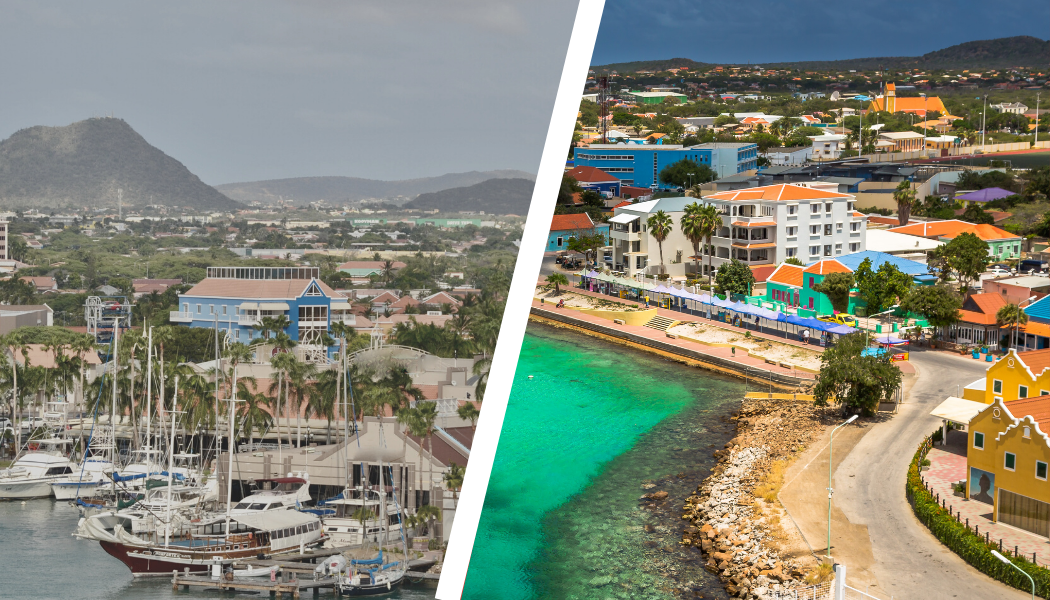
Aruba vs Bonaire: which should you choose?
Beaches, diving, hotels, costs, nightlife and overall trip style — side by side.
Read Aruba vs Bonaire →
Aruba vs Curaçao vs Bonaire
Compare all three ABC Islands for beaches, snorkeling, diving, families and island hopping.
Compare Aruba, Curaçao and Bonaire →Bonaire vs Curaçao
Bonaire and Curaçao also appeal to some of the same travelers.
Both offer strong snorkeling and diving opportunities.
But Curaçao gives you a much larger urban component through Willemstad, more accommodation areas and a broader mix of beaches and tours.
Bonaire is smaller and more focused on water, nature and independent outdoor days.
If you're deciding between them, think about whether Willemstad and a broader sightseeing itinerary matter to you or whether you'd rather build most of the trip around diving, snorkeling and nature.
Aruba, Bonaire and Curaçao
Together, Aruba, Bonaire and Curaçao form the ABC Islands.
They're close geographically but shouldn't be treated as interchangeable destinations.
- Aruba: long beaches + resorts + nightlife
- Bonaire: diving + snorkeling + nature
- Curaçao: Willemstad + cove beaches + snorkeling + island exploring
That difference makes combining two islands more interesting than simply choosing the one with the cheapest flight.
Frequently asked questions
Where is Bonaire?
Bonaire is in the southern Caribbean and forms part of the ABC Islands with Aruba and Curaçao. It lies around 86 km (53 miles) east of Aruba.
What is Bonaire known for?
Bonaire is particularly known for shore diving and snorkeling, its salt flats and flamingos, Klein Bonaire and Washington Slagbaai National Park.
Is Bonaire worth visiting?
Bonaire is worth considering if snorkeling, diving, nature and independent exploring are priorities. Travelers primarily looking for large resort areas, long developed beaches and extensive nightlife may prefer a different Caribbean vacation style.
How many days do you need in Bonaire?
Five to seven days gives you enough time for snorkeling or diving plus Washington Slagbaai, southern Bonaire and Klein Bonaire without rushing. Three days can work as part of a multi-island trip.
Do you need a car in Bonaire?
A rental vehicle is very useful if you want to explore beyond Kralendijk. Snorkeling sites, salt flats and Washington Slagbaai are spread around the island.
What language is spoken in Bonaire?
Papiamentu and Dutch are official languages, and English is widely spoken in tourism.
What currency does Bonaire use?
Bonaire uses the US dollar.
Is Bonaire part of Aruba?
No. Bonaire and Aruba are separate islands with different constitutional statuses, although both are part of the Kingdom of the Netherlands and the ABC Islands.
Is Bonaire outside the hurricane belt?
Bonaire lies south of the main Atlantic hurricane belt. Direct hurricane impacts are less common than in many northern Caribbean destinations, but tropical weather can still affect travel.
Does Bonaire have all-inclusive resorts?
Bonaire has some accommodation packages that include meals and other services, but the island isn't dominated by large all-inclusive resort complexes. Always compare exactly what a property's package includes.
Is Bonaire good for snorkeling?
Yes. Shore-access snorkeling is one of Bonaire's main attractions, with multiple locations along the western side of the island plus boat access to Klein Bonaire.
Is Klein Bonaire the same as Klein Curaçao?
No. Klein Bonaire is a small uninhabited island immediately off Bonaire and can be reached relatively quickly by boat. Klein Curaçao is farther from Curaçao and is normally visited as a much longer boat excursion.
Can you visit Aruba and Bonaire on the same trip?
Yes. The islands can be combined by air. If you're considering both, allow several nights on each rather than treating one as a quick sightseeing stop.
Continue planning Bonaire
Things to do in Bonaire
Snorkeling, Klein Bonaire, Washington Slagbaai, salt flats and more.
See things to do →Best snorkeling in Bonaire
Find shore snorkeling locations and decide when a boat or guided trip makes sense.
Explore snorkeling →Bonaire salt flats
Plan the southern drive around the salt pans, salt pyramids and flamingo areas.
Read the salt flats guide →Where to stay in Bonaire
Compare Kralendijk, dive resorts and other accommodation areas.
Compare places to stay →Getting around Bonaire
Choose between a rental car, pickup and other ways of exploring the island.
Read the transport guide →Washington Slagbaai National Park
Plan one of Bonaire’s biggest land days.
Read the Washington Slagbaai National Park guide →Aruba vs Bonaire
Still deciding which ABC Island fits your vacation?
Compare Aruba and Bonaire →