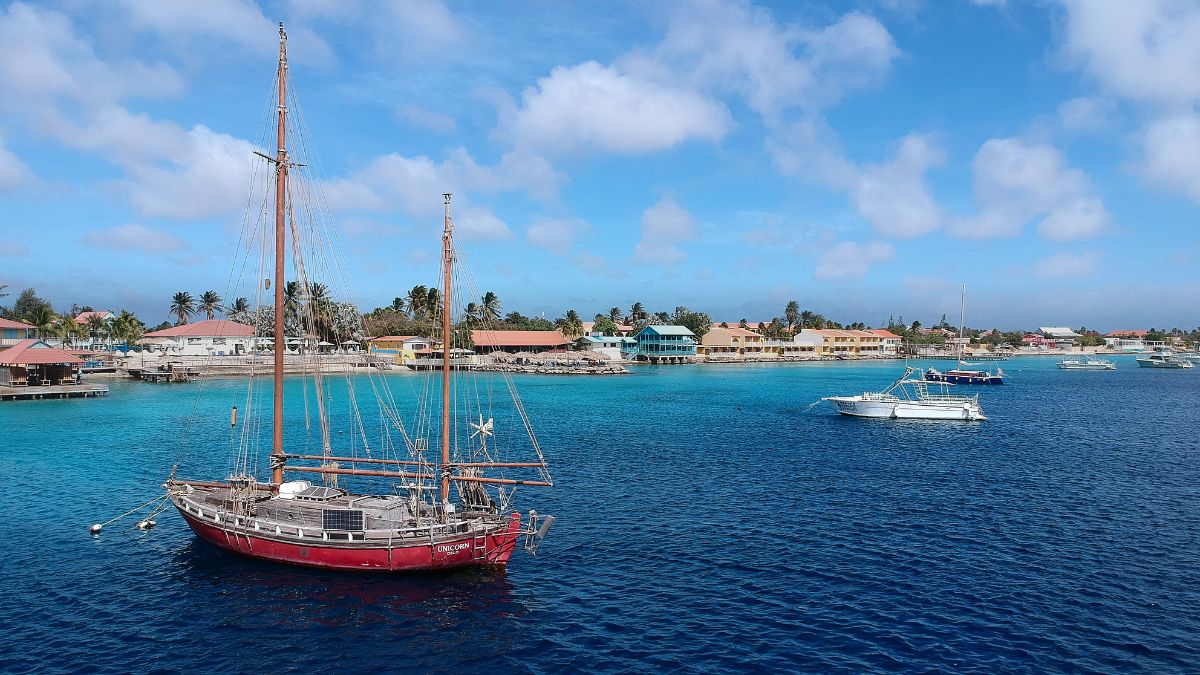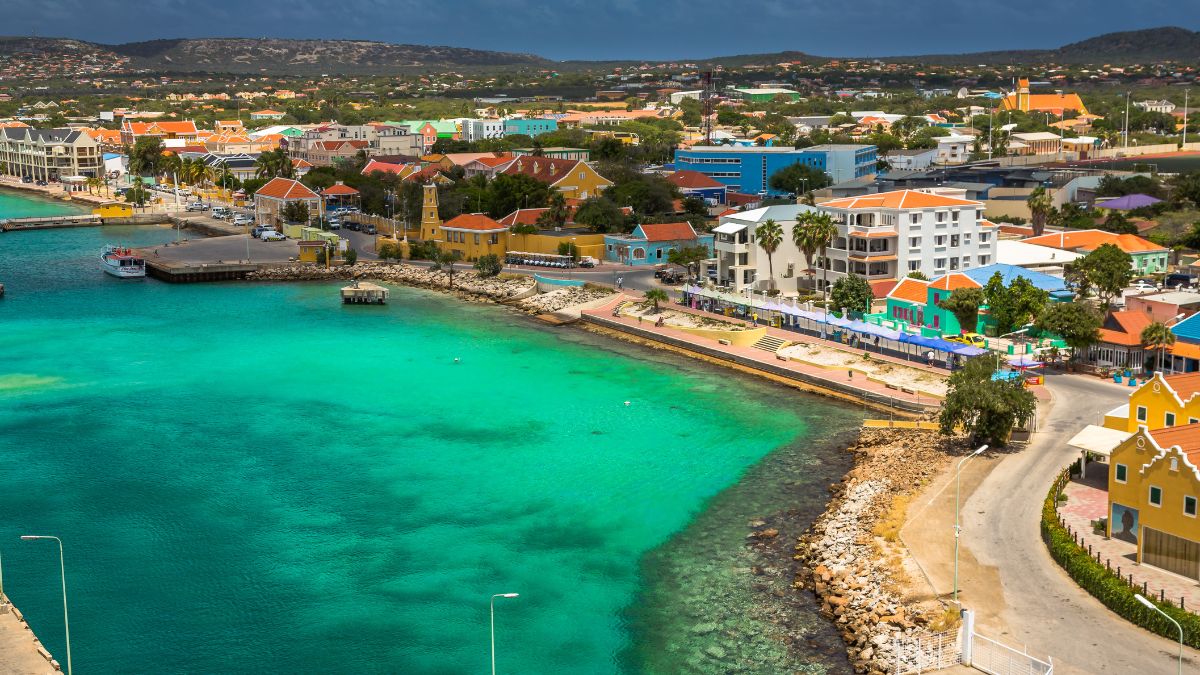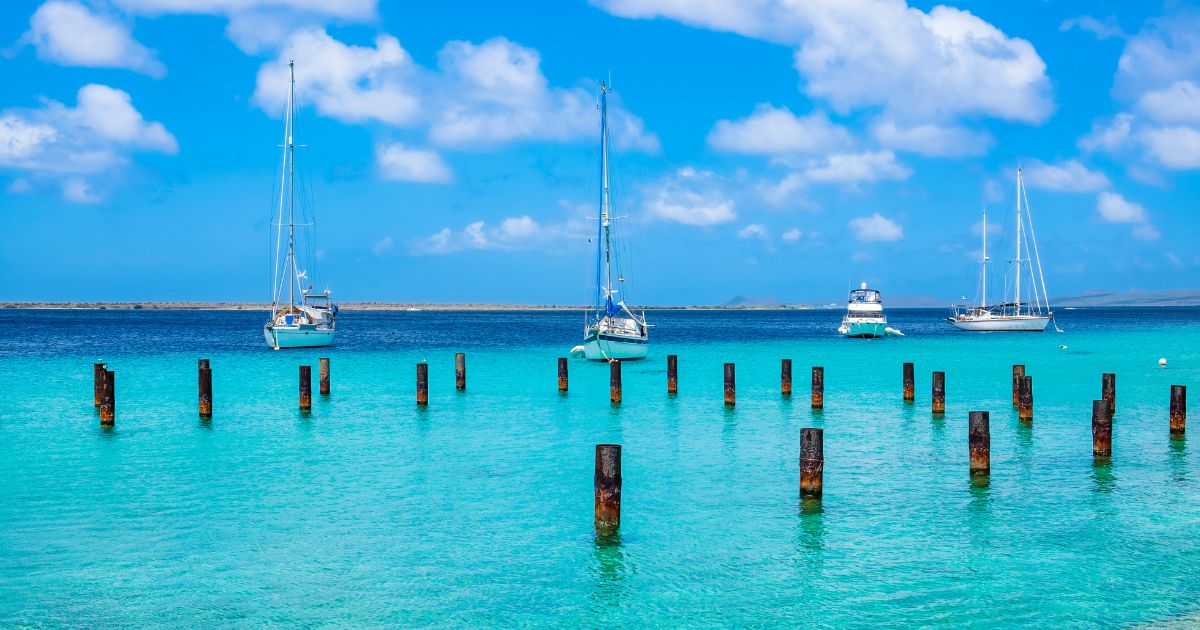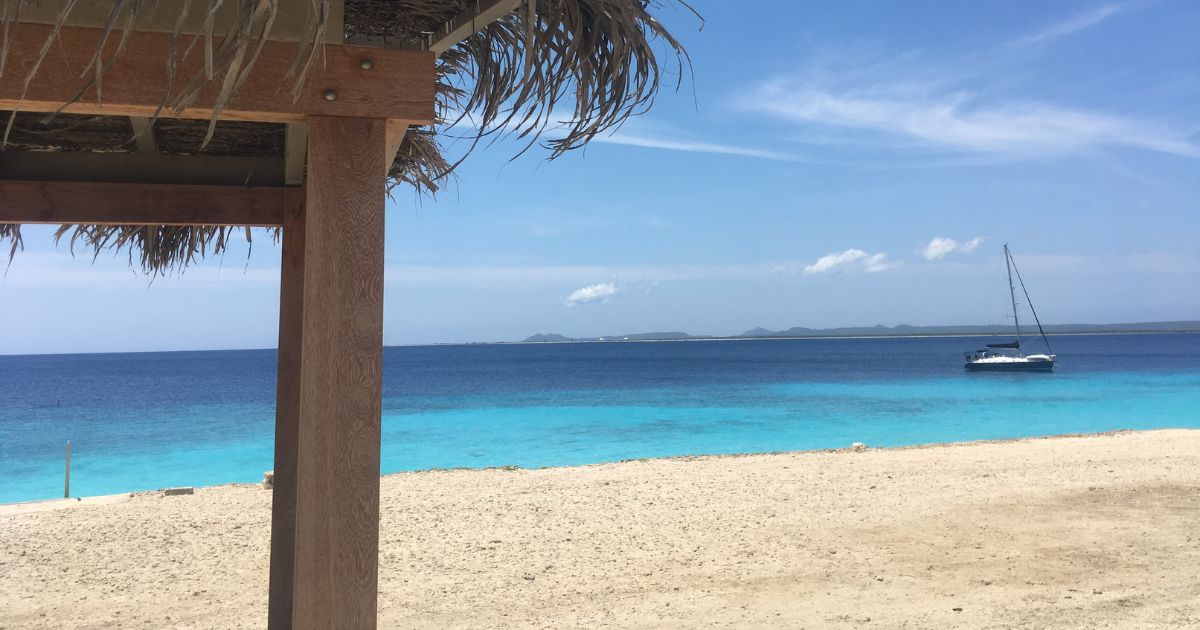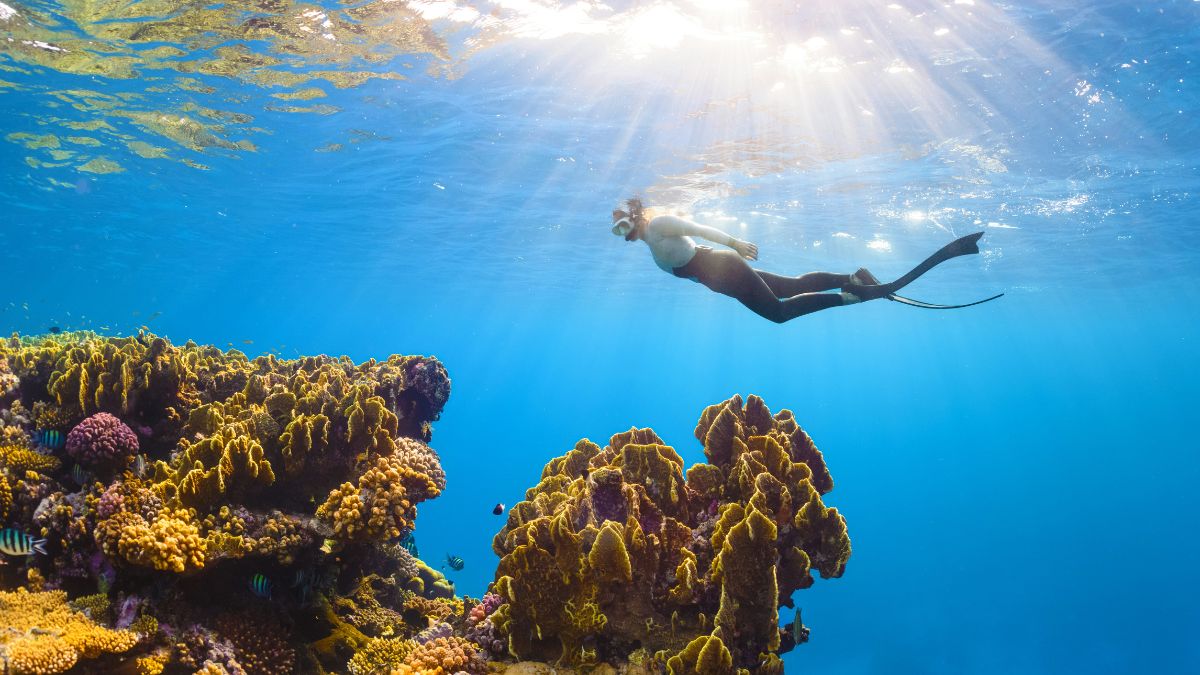
Is Bonaire good for snorkeling?
Yes.
Bonaire's biggest advantage is accessibility.
On many Caribbean islands, reaching good reef means booking a boat excursion. Bonaire gives independent travelers much more freedom to explore from shore.
That changes the entire experience.
Instead of choosing one three-hour snorkeling excursion, you can build your vacation around different snorkeling sites.
Spend the morning at one reef, have lunch, drive somewhere else and get back in the water.
For travelers who love snorkeling enough to do it repeatedly throughout a trip, that's one of Bonaire's biggest attractions.
1. Klein Bonaire
Best for: First-time visitors, coral, marine life and a classic Bonaire snorkeling day
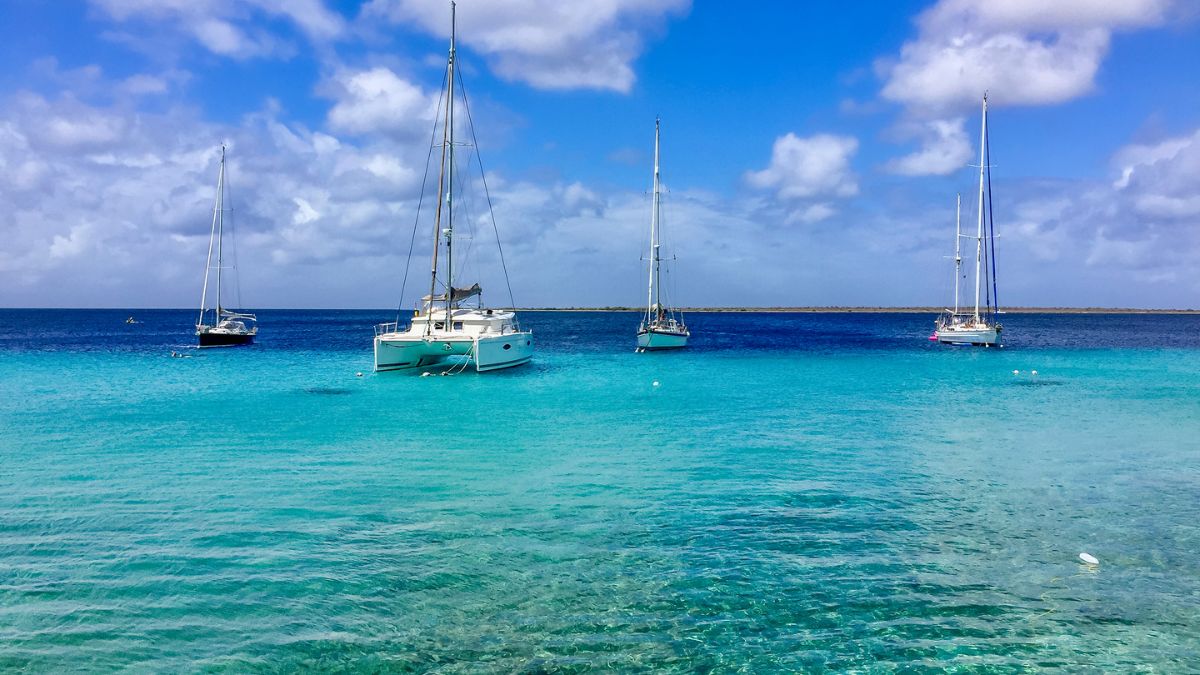
Klein Bonaire is the small undeveloped island directly off the coast of Kralendijk.
Unlike most snorkeling locations in this guide, you can't simply drive there.
You'll need a water taxi, snorkeling excursion or private boat.
No Name Beach is the best-known beach on Klein Bonaire and a popular starting point for snorkeling.
The combination of clear Caribbean water, reef and undeveloped surroundings makes Klein Bonaire one of the places I'd prioritize on a first trip.
How to snorkel Klein Bonaire
You essentially have two choices.
Water taxi
Best if you want independence and are comfortable snorkeling without a guide.
Guided snorkeling tour
Better if you want equipment, transportation, guidance and potentially multiple snorkeling stops included.
There are limited facilities compared with a developed resort beach, so arrive prepared with water, sun protection and whatever else you need for your visit.
2. 1000 Steps
Best for: Dramatic scenery and confident snorkelers
1000 Steps is one of Bonaire's most recognizable coastal locations.
Despite the name, you aren't actually descending a thousand steps.
A staircase takes you from the road down toward the water, creating one of the more memorable snorkeling entrances on the island.
The snorkeling is only part of the appeal.
The elevated coastal view, clear water and reef below make this a worthwhile stop even before you put your mask on.
The trade-off is accessibility.
You'll have to carry your equipment down and then back up again, and water entry can be less forgiving than at a sandy beach.
I'd choose 1000 Steps if you're already comfortable snorkeling rather than making it your very first Bonaire water entry.
3. Salt Pier
Best for: Unusual underwater scenery and confident snorkelers
Salt Pier is completely different from snorkeling over a normal reef.
The huge industrial structure extends over the water while marine life uses the underwater environment around it.
That combination makes it particularly interesting for underwater photography.
There is one major complication:
Salt Pier is an active industrial facility.
Access can be restricted when shipping operations are taking place.
Never assume you can enter the water simply because you've arrived at the site.
Check current conditions and restrictions locally before planning your snorkeling session.
Salt Pier also pairs naturally with a drive through Bonaire's southern salt landscape.
4. Andrea I
Best for: Relaxed shore snorkeling
Andrea I is one of the west-coast sites worth considering if you want to explore independently.
Like many Bonaire snorkeling locations, access is part of the experience.
This isn't necessarily a wide sandy Caribbean beach where you walk barefoot directly into waist-deep water.
Take your time entering, check conditions and use appropriate footwear where necessary.
Once you're in, you can explore the reef without needing a boat excursion.
5. Andrea II
Best for: Combining several west-coast snorkeling stops
Andrea II sits close enough to Andrea I that the two work naturally together.
You don't necessarily need to choose between them before your trip.
If you have a rental vehicle, check both.
That's one of the advantages of snorkeling Bonaire independently: if conditions, parking or the entry at one location don't appeal to you, continue to another site.
Andrea I and II make a useful pair during a west-coast snorkeling day.
6. Bari Reef
Best for: Convenient snorkeling near Kralendijk
Not every snorkeling day needs to involve driving halfway around Bonaire.
Bari Reef is useful because it's relatively convenient to the main accommodation areas around Kralendijk.
That makes it suitable for:
- a shorter morning snorkel
- your first session after arriving
- fitting snorkeling around another activity
- travelers who don't want a full road-trip day
If you're staying nearby, convenience alone can make Bari Reef one of the sites you visit more than once.
7. Te Amo Beach
Best for: Beginners and an easier beach experience
If Bonaire's rocky shore entries sound intimidating, start somewhere easier.
Te Amo Beach is close to the airport and provides a more conventional beach setting than many of Bonaire's roadside reef entries.
That makes it useful for first-time snorkelers who want to get comfortable with:
- their mask
- breathing through a snorkel
- fins
- floating
- entering and exiting the water
Once you're comfortable, you can move on to more adventurous shore-entry sites.
8. Bachelor's Beach
Best for: Adding another south-coast snorkeling stop
Bachelor's Beach is another location to consider when exploring the coastline south of Kralendijk.
Its position makes it easy to combine with other southern sites rather than treating it as a standalone day trip.
This is exactly how I'd approach Bonaire snorkeling generally:
don't obsess over finding one perfect site.
Choose several locations in the same part of the island and adapt your day according to conditions.
9. Tori's Reef
Best for: Independent snorkelers exploring southern Bonaire
Tori's Reef gives more experienced independent snorkelers another option on the southern coastline.
As with other Bonaire shore sites, conditions and entry matter.
Don't choose a location purely because it appears on a "best snorkeling" list.
Look at the water when you arrive.
If conditions don't look comfortable for your ability, move on.
With so many shore-access locations around Bonaire, there's little reason to force a particular entry.
10. Red Beryl
Best for: Travelers looking beyond the most famous sites
Once you've snorkeled Klein Bonaire, 1000 Steps and some of the more obvious west-coast locations, start exploring less-famous sites.
Red Beryl is one of the locations you can incorporate into a broader south-coast snorkeling day.
This type of site is where having your own rental vehicle and equipment becomes particularly useful.
You're not tied to a tour itinerary or single snorkeling location.
11. Wayaka II
Best for: Combining snorkeling with Washington Slagbaai
Wayaka II offers something different because it's inside Washington Slagbaai National Park.
That means snorkeling can become one stop within a much bigger day of exploring northern Bonaire.
You might spend the same day:
- driving through the park
- stopping at viewpoints
- looking for wildlife
- visiting Boca Slagbaai
- swimming
- snorkeling
If you're already planning Washington Slagbaai, bring your snorkeling equipment.
12. Lac Bay
Best for: Combining shallow-water nature with other activities
Lac Bay is better known for its mangrove ecosystem and wind sports than as Bonaire's classic reef-snorkeling destination.
But it's still relevant to travelers interested in exploring Bonaire's marine environment.
Some guided experiences around Lac Bay combine kayaking with snorkeling, making it particularly useful if you want more variety than a standard shore-snorkeling session.
Best snorkeling in Bonaire for beginners
Bonaire is excellent for snorkeling, but beginners shouldn't automatically head to whichever reef has the most impressive reputation.
Entry difficulty matters.
Start somewhere where you're comfortable getting into and out of the water.
Consider:
Te Amo Beach
Useful for getting comfortable with your equipment in a more conventional beach setting.
Bari Reef
Convenient if you're staying around Kralendijk and don't want a long drive.
Klein Bonaire
A good option when conditions are calm, particularly if you join an organized trip and want support.
Once you're confident, start exploring more of Bonaire's shore-entry locations.
Best shore snorkeling in Bonaire
Shore snorkeling is where Bonaire really stands apart.
Good locations to investigate include:
- 1000 Steps
- Andrea I
- Andrea II
- Bari Reef
- Te Amo Beach
- Bachelor's Beach
- Tori's Reef
- Red Beryl
The best one on a particular day depends on conditions.
That's why I'd avoid building an itinerary that says you absolutely must snorkel a particular reef at 10:00 on Tuesday.
Have several options in the same area and decide when you're there.
Best snorkeling in Bonaire for sea turtles
Sea turtles live around Bonaire, and sightings are possible at several snorkeling locations.
But they're wild animals.
No snorkeling site can guarantee you'll see one.
Your chances improve simply by spending more time in the water across several days rather than chasing one supposed "turtle spot."
If you encounter a turtle:
- keep your distance
- don't touch it
- don't chase it
- don't block its path
- let it decide whether to remain nearby
The experience is considerably better when the animal isn't being surrounded by swimmers.
Best snorkeling near Kralendijk
If you're staying in or around Kralendijk and don't want to dedicate an entire day to driving, look first at nearby shore-access options such as Bari Reef.
Klein Bonaire is also directly offshore from Kralendijk, although you'll need transportation across the water.
This gives you a good combination:
Easy nearby shore snorkeling + one Klein Bonaire day + longer west/south coast snorkeling drives.
Klein Bonaire vs shore snorkeling
You should ideally do both.
Choose Klein Bonaire if:
- it's your first visit
- you want an undeveloped island experience
- you're happy taking a water taxi or boat
- you want to combine beach time and snorkeling
Choose shore snorkeling if:
- you have a rental vehicle
- you like exploring independently
- you want multiple snorkeling sessions
- you want flexibility
- snorkeling is a major reason for visiting Bonaire
For a week-long trip, don't choose between them.
Spend one day around Klein Bonaire and use other days to explore shore sites.
Shore snorkeling vs boat tour
You don't need a boat tour to snorkel Bonaire.
That's one of the destination's biggest advantages.
But guided boat trips still have a place.
Shore snorkeling is better if:
- you have a rental vehicle
- you brought or rented equipment for several days
- you want flexibility
- you're comfortable judging conditions
- you want to snorkel repeatedly
A boat tour is better if:
- you don't have transportation
- you're visiting on a cruise
- you want a guide
- you don't have equipment
- you're less confident choosing shore entries
- you want to reach Klein Bonaire or other boat-access locations
Many visitors will benefit from doing both.
Best Bonaire snorkeling tours
If you prefer having transportation, equipment and snorkeling locations organized for you, Bonaire has several guided options.
Multi-stop snorkeling boat tour
Best for: First-time visitors
A multi-stop excursion lets you experience several snorkeling locations without organizing your own route.
The tour currently featured on ArubaBuddies includes snorkeling equipment and several stops, including Klein Bonaire depending on the itinerary.

Snorkel marathon
Supplied by Sherwanda Boat Adventure
From $75.00 per person
Connect with local marine life on a snorkeling excursion in Bonaire with hassle-free pickup from your hotel. Learn about the local fish and environment as you stop at three different places to snorkel. As you ride to the next spot, take in beautiful views of the city from the boat.
What's included: Private transportation • Alcoholic beverages • Snorkel gear
What to expect: You use a dinghy to board the boat, then head to three different snorkeling stops (about 50 minutes each). One highlighted stop is Klein Bonaire.
Check snorkeling tour availability →Klein Bonaire snorkeling
Best for: The classic Bonaire experience
If Klein Bonaire is high on your list, compare a guided snorkeling trip with simply taking a water taxi.
The guided option makes more sense if you want equipment, instruction and a structured snorkeling experience.
The water taxi makes more sense if you want independence.
If you'd rather see the reef without getting in the water, this Klein Bonaire boat stays on the surface.

Semi Submarine Boat Experience to Klein Bonaire
Supplied by Bon Sea Bonaire
From $38.50 per person
The Bon Sea is a spacious, air-conditioned semi-submarine that partially submerges in Bonaire's clear waters, giving you close-up views of marine life without needing to snorkel.
What's included: Air-conditioned vehicle
What to expect: Sail along the reef of Klein Bonaire in the Bon Sea semi-submarine and watch coral and marine life through the glass-bottom viewing area. This pass-by itinerary focuses on easy underwater sightseeing rather than in-water activity.
Check Klein Bonaire boat availability →Night snorkeling
Best for: Experienced snorkelers looking for something different
The underwater environment changes after dark.
Some excursions explore the waters around Klein Bonaire at night, with opportunities to experience nocturnal marine life and potentially bioluminescence when conditions allow.
Night snorkeling isn't what I'd choose for your first ever snorkeling experience.
But after several daytime sessions, it's a completely different way to see Bonaire underwater.

Bioluminescence Snorkel Boat Tour to Klein Bonaire
Supplied by Captain Jack Bonaire
From $99.00 per person
Dive into a one-of-a-kind nighttime adventure and experience glowing Caribbean waters up close. As the sun sets, you'll snorkel near Klein Bonaire while bioluminescent organisms light up each movement in shimmering blue trails. With a maximum of 12 guests, this small-group trip keeps things personal, then ends with drinks on deck under the stars.
What's included: Alcoholic beverages • Soda/Pop • Bottled water
What to expect: Cruise to the dark waters near Klein Bonaire where bioluminescence is most visible. Once night sets in, the water sparkles whenever you move, creating a stardust effect while you snorkel. Total experience lasts about 2 hours and admission is included.
Check night snorkeling availability →Snorkeling in Bonaire from a cruise ship
Bonaire is particularly convenient for cruise passengers interested in snorkeling because you don't necessarily need to spend hours reaching a reef.
Your options include:
- nearby shore snorkeling
- taxi to a snorkeling location
- Klein Bonaire excursion
- guided boat tour
- organized cruise excursion
The main consideration is timing.
If you're exploring independently, leave a comfortable buffer for getting back to the ship.
Do you need a car for snorkeling in Bonaire?
Not for every snorkeling experience.
But if shore snorkeling is a major reason for your Bonaire trip, a rental vehicle gives you considerably more freedom.
Many snorkeling sites are spread along the coastline.
Having a car means you can:
- check one site
- look at the conditions
- decide whether you like the entry
- snorkel
- continue to another reef
Without a vehicle, you're much more dependent on taxis, tours or snorkeling close to your accommodation.
What do you need for snorkeling in Bonaire?
You don't need a huge amount of equipment.
Start with:
- well-fitting mask
- snorkel
- fins
- sun protection
- drinking water
- towel
- secure bag for your belongings
For shore-entry sites, suitable footwear can be particularly useful because many entrances aren't sandy.
If you're snorkeling frequently, bringing your own mask can be worthwhile simply because you already know it fits properly.
Rental equipment is also available locally.
Snorkeling safety in Bonaire
Bonaire's easy reef access shouldn't make you casual about water safety.
Before entering:
- look at the water
- check wind and waves
- identify where you'll exit
- don't enter somewhere beyond your swimming ability
- avoid snorkeling alone
- don't touch or stand on coral
- maintain distance from marine animals
- follow local signs and restrictions
- ask locally when you're unsure about conditions
The best snorkeling location is one you can enter and exit comfortably.
Bonaire snorkeling etiquette
Bonaire's reefs are the reason people travel here.
Treat them accordingly.
Never stand on coral.
Don't hold onto coral to stabilize yourself.
Keep your fins away from the reef.
Don't feed fish.
Don't touch turtles or other wildlife.
Don't remove shells, coral or anything else from protected environments where removal is prohibited.
Good snorkeling technique isn't just about seeing more marine life. It's about leaving the reef exactly as you found it.
When is the best time to snorkel in Bonaire?
Instead of planning around one universal "best month," pay attention to conditions during your actual trip.
Wind, waves, visibility and currents can vary between locations and days.
Morning can be a convenient time because it leaves the rest of your day open and can provide comfortable conditions, but don't assume every site will always be best in the morning.
If you're staying at a dive resort or using a local dive/snorkel shop, ask which locations are working well that day.
Local conditions matter more than a generic calendar.
Is Bonaire better for snorkeling than Aruba?
The islands offer different snorkeling experiences.
Bonaire's major advantage is the sheer amount of independent shore access and its culture around diving and snorkeling.
Aruba combines snorkeling with larger sandy beaches and a broader resort vacation experience.
If snorkeling is one of the main reasons you're choosing between the islands, read our full comparison rather than judging them on a single reef.