Aruba vs Bonaire: Which is Better for Your 2026 Vacation?
Quick answer: Choose Aruba for resort beaches, nightlife, and convenience. Choose Bonaire for world-class diving, value, and peace. Bonaire is one of the ABC islands (with Aruba and Curaçao), generally more affordable, and safe to visit. This guide compares both and answers where Bonaire is, whether Bonaire is expensive, and more.
Quick Answer
Choose Aruba for resort beaches, nightlife, and convenience. Choose Bonaire for world-class diving, value, and a laid-back vibe.
- Bonaire is typically more affordable than Aruba (often the cheapest of the ABC islands for accommodations and dining).
- Bonaire = 80+ shore dive sites, marine park, minimal nightlife. Aruba = long beaches, casinos, all-inclusives.
- Both are safe and outside the hurricane belt. First-time Caribbean visitors → Aruba. Serious divers → Bonaire.
Quick Snapshot — Aruba vs Bonaire at a Glance
| Feature | 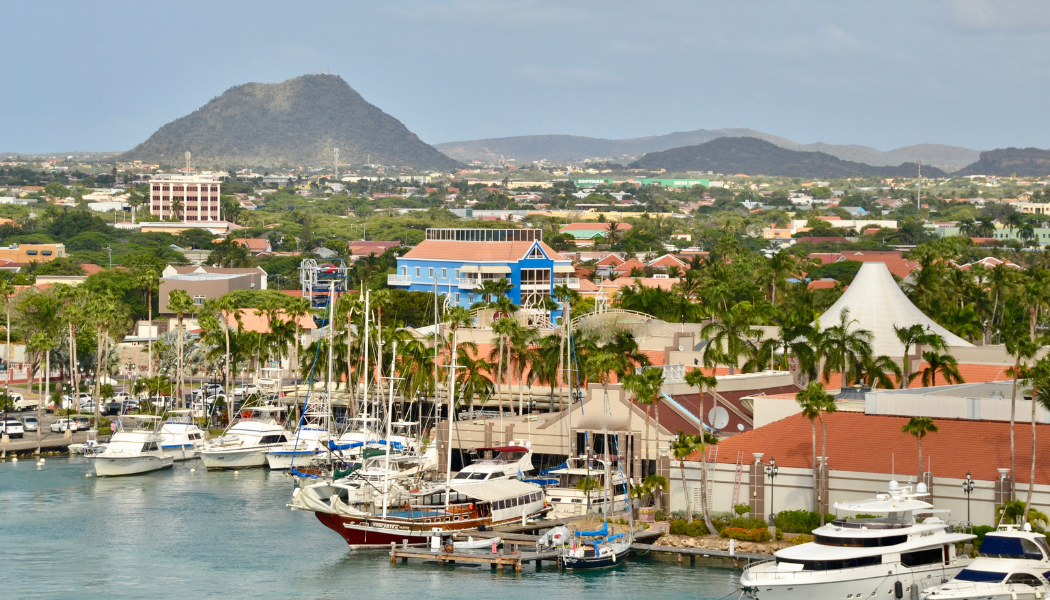 Aruba Aruba | 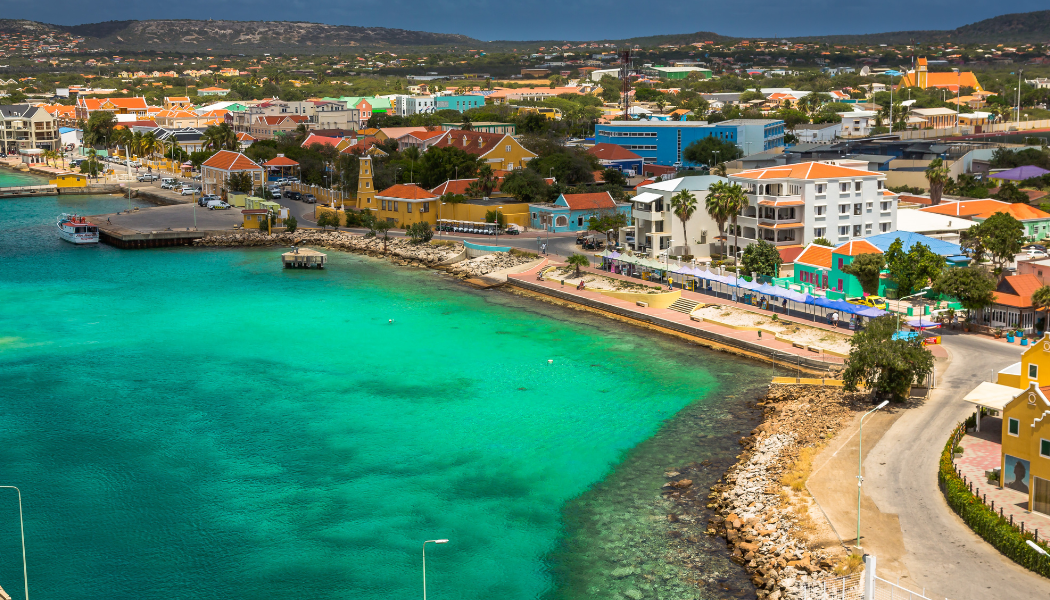 Bonaire Bonaire |
|---|---|---|
| Vibe / Atmosphere | Resort-ready, lively beaches, nightlife, convenience | Ultra-relaxed, diving-focused, nature-oriented, quiet |
| Beaches & Scenery | Long white-sand beaches, easy resort access, calm waters | Smaller natural beaches, world-class shore diving, rugged coastline |
| Activities | Beach clubs, nightlife, easy resort logistics, family-friendly watersports | World-class diving/snorkeling, marine park, nature reserves, minimal nightlife |
| Ideal Traveler | First-time Caribbean visitors, party-seekers, convenience lovers | Serious divers, nature enthusiasts, couples seeking peace & quiet |
| Best Time / Weather | Dry & windy, ideal for sun & sea comfort, outside hurricane belt | Similar tropical climate, excellent year-round diving conditions, outside hurricane belt |
| Cost | Moderate to high, many all-inclusive options | Generally more affordable, especially diving packages & accommodations |
Where is Bonaire? Bonaire Island in the Caribbean
Bonaire is a Caribbean island in the southern Caribbean Sea, about 50 miles (80 km) north of Venezuela. It is part of the ABC islands (Aruba, Bonaire, Curaçao) — the three Dutch Caribbean islands that sit just off the coast of South America. Bonaire lies east of Curaçao and about 80 miles (130 km) from Aruba. The capital is Kralendijk. So when people ask "where is Bonaire on a map," it's the easternmost of the ABC islands, outside the hurricane belt and known for world-class diving and a relaxed, nature-focused atmosphere.
Aruba vs Bonaire: Quick Decision Guide
| If You Want… | Choose | Why |
|---|---|---|
| Long resort beaches | Aruba | Miles of white sand, calm waters |
| Best diving | Bonaire | 80+ shore sites, marine park |
| Nightlife & casinos | Aruba | Bonaire has minimal nightlife |
| Budget-friendly / cheapest ABC | Bonaire | Generally more affordable |
| Family with young kids | Aruba | Easier logistics, calmer beaches |
| Peace & quiet, nature | Bonaire | Laid-back, diving-focused |
Beaches & Nature — What Each Island Offers
Aruba's Beaches
Aruba is famous for its long, wide white-sand beaches with calm, turquoise waters. Eagle Beach and Palm Beach stretch for miles, offering easy resort access and perfect conditions for swimming, sunbathing, and water sports. The island's flat, desert-like landscape makes beach access incredibly convenient.
Aruba's beaches are ideal for families and first-time visitors who want easy access, calm waters, and resort amenities. The consistent trade winds make it perfect for windsurfing and kitesurfing, while the protected waters are safe for swimming year-round.
Bonaire's Beaches
Bonaire offers a completely different beach experience focused on diving and snorkeling. The island's beaches are smaller and more natural, with the entire coastline protected as a marine park. While there are fewer traditional resort-style beaches, the shore diving and snorkeling access is world-class.
Bonaire's rugged coastline features natural beaches like Pink Beach and Sorobon Beach, perfect for those seeking authentic Caribbean beauty. The island's protected marine environment means pristine coral reefs and diverse marine life are accessible right from shore, making it a diver's paradise.
Things to Do — Resorts, Nightlife, Diving & Nature Experiences
Aruba Activities
Aruba excels at resort-style experiences with easy logistics. The island offers vibrant nightlife with beach clubs, casinos, and resort-based entertainment. Water sports are easily accessible, and the island's infrastructure makes everything convenient for tourists.
- Beach clubs and resort nightlife
- Easy resort logistics and amenities
- Family-friendly water sports
- Casinos and entertainment venues
Bonaire Activities
Bonaire is a world-renowned diving destination with the entire island protected as a marine park. The island offers over 80 shore-accessible dive sites, pristine coral reefs, and exceptional underwater visibility. Beyond diving, Bonaire features nature reserves, flamingo watching, and a laid-back atmosphere perfect for relaxation. Explore the best snorkeling and marine park access or discover nature-focused guides and adventure tours.
- World-class diving and snorkeling
- Bonaire National Marine Park
- Nature reserves and wildlife watching
- Quiet, peaceful atmosphere
Is Bonaire Expensive? Which ABC Island is Cheapest?
Bonaire is not expensive to visit compared to many Caribbean islands — and it's often the most affordable of the ABC islands (Aruba, Bonaire, Curaçao) for accommodations and dining. Aruba has more all-inclusive resorts and higher price points; Bonaire offers better value with boutique hotels, apartments, and local restaurants. Below are approximate 2026 ranges for two people.
2026 Price Comparison (Per Day for 2 People)
| Category | Aruba | Bonaire |
|---|---|---|
| Budget accommodation | $150–250 | $100–200 |
| Mid-range | $250–400 | $180–320 |
| Luxury / all-inclusive | $400–800 | $280–550 |
| Meals (per day) | $80–150 | $55–110 |
| Diving (e.g. 2-tank) | $100–150 | $80–120 (shore diving often cheaper) |
Is Bonaire Safer Than Aruba?
Both Bonaire and Aruba are safe for tourists. Aruba has a long history of tourism and well-developed resort areas; Bonaire is small, quiet, and has very low crime. There is no clear "safer" — both are among the safest Caribbean destinations. Use normal precautions (secure valuables, stay in populated areas). Bonaire is also outside the hurricane belt, like Aruba.
Cost & Convenience: Flights, Transport, Accessibility, Amenities
Aruba: Convenience & Accessibility
Aruba is designed for tourist convenience with excellent infrastructure, easy navigation, and well-developed resort areas. The island is more tourist-structured, making it ideal for first-time Caribbean visitors who want everything within easy reach.
Getting around is straightforward with reliable taxis, rental cars, and most activities offering hotel pickup. The main resort strip along Palm Beach and Eagle Beach puts everything within walking distance or a short drive.
Bonaire: More Planning Required
Bonaire offers better value, especially for diving packages and accommodations, but requires more planning. The island is smaller and less developed, with fewer resort-style amenities. A rental car is highly recommended to access the best dive sites and beaches around the island.
Bonaire's laid-back atmosphere means less tourist infrastructure, but this also means more authentic experiences and better value. The island is perfect for self-sufficient travelers who don't need constant entertainment and prefer nature-focused activities.
Still Unsure? How to Choose
Answer these three questions:
1. Priority #1?
Beaches, nightlife & convenience → Aruba. Diving & nature & value → Bonaire.
2. Traveling with kids?
Yes, especially young children → Aruba (easier, calmer beaches). Older kids / divers → Bonaire (nature, marine park).
3. Budget?
Want the cheapest ABC island → Bonaire. Prefer all-inclusive resorts → Aruba.
Who Should Choose Which — Traveler Profiles & Preferences
How to Visit Both Aruba and Bonaire in One Trip
You don't have to choose. How far is Aruba from Bonaire? About 80 miles (130 km). Direct flights take approximately 30–45 minutes; roundtrip fares are often $150–280. Both are part of the Dutch Caribbean with similar entry rules (e.g. US/EU visitors don't need a visa for short stays). Many travelers do 4 days in Aruba and 4 in Bonaire — or vice versa.
Best order: Start with Aruba for resort beaches and nightlife, then fly to Bonaire for world-class diving and peace. Or begin with Bonaire's diving and end with Aruba's beach resort luxury.
Frequently Asked Questions
Is Bonaire better than Aruba for diving?
Yes, Bonaire is widely considered one of the world's best diving destinations, even better than Aruba. The entire island is a protected marine park with over 80 shore-accessible dive sites, pristine coral reefs, and exceptional underwater visibility. Aruba has good snorkeling spots, but Bonaire offers world-class diving experiences that attract serious divers from around the globe. For planning, check out Bonaire things to do and best snorkeling in Bonaire.
Which island is cheaper: Aruba or Bonaire?
Bonaire is typically more affordable than Aruba, especially for accommodations, dining, and diving activities. Aruba tends to have more all-inclusive resorts and higher-end options, while Bonaire offers more budget-friendly boutique hotels, apartments, and local dining. However, both islands offer a range of options from budget to luxury. Compare prices and find the best deals for your travel dates.
Which island has better beaches: Aruba or Bonaire?
Aruba is known for its long, wide white-sand beaches with calm waters, perfect for swimming and resort access. Bonaire has smaller, more natural beaches with excellent snorkeling and diving right from shore, but fewer traditional resort-style beach areas. Aruba wins for resort-style beach experiences, while Bonaire offers more intimate, nature-focused beach settings. Explore Aruba's beachfront hotels or discover Bonaire's best beaches and snorkel spots.
Can you visit both Aruba and Bonaire in one trip?
Yes! There are direct flights between Aruba and Bonaire with a flight time of approximately 30-45 minutes. Many travelers combine both islands in one trip to experience the best of both worlds — Aruba's resort-style beaches and nightlife, plus Bonaire's world-class diving and peaceful nature experiences. Plan your multi-island adventure with Bonaire travel guides and Aruba tour options.
Which island is better for families: Aruba or Bonaire?
Aruba is generally better for families seeking convenience, with easy resort access, calm beaches perfect for kids, and family-friendly activities. Bonaire is great for families interested in nature, marine life, and educational experiences, but may require more planning and is better suited for families with older children or diving enthusiasts. Check out Aruba's family activities or explore family-friendly things to do in Bonaire.
Which island has better nightlife: Aruba or Bonaire?
Aruba has significantly more developed nightlife with beach clubs, casinos, and resort-based entertainment. Bonaire is very quiet and laid-back with minimal nightlife — perfect for those seeking peace and relaxation. Aruba is better for resort-style nightlife, while Bonaire offers a tranquil, nature-focused evening experience. Discover Aruba's nightlife options or explore Bonaire's nature experiences.
Is Bonaire expensive to visit?
No. Bonaire is generally more affordable than Aruba and is often the cheapest of the ABC islands for accommodations and dining. You can find budget stays and local restaurants at lower prices than on Aruba, while still enjoying world-class diving and a safe, relaxed environment.
Is Bonaire safe?
Yes. Bonaire is considered a safe destination for tourists, with low crime and a small, friendly population. It is outside the hurricane belt like Aruba and Curaçao. Use normal travel precautions and you should have a safe and enjoyable trip.
Is Bonaire safer than Aruba?
Both Bonaire and Aruba are safe for tourists. There is no clear "safer" — Aruba has well-developed resort areas and a long tourism history; Bonaire is small and quiet with very low crime. Both are among the safest Caribbean destinations.
Where is Bonaire?
Bonaire is a Caribbean island in the southern Caribbean Sea, about 50 miles (80 km) north of Venezuela. It is part of the ABC islands (Aruba, Bonaire, Curaçao). Bonaire lies east of Curaçao and about 80 miles from Aruba. The capital is Kralendijk. It is outside the hurricane belt.
How far is Aruba from Bonaire?
Aruba is about 80 miles (130 km) from Bonaire. Direct flights take approximately 30–45 minutes. Roundtrip fares are often in the $150–280 range. There are no regular ferry services; flying is the practical option.
Which ABC island is cheapest?
Bonaire is typically the most affordable of the ABC islands (Aruba, Bonaire, Curaçao) for accommodations and dining. Aruba has more all-inclusive resorts and higher prices; Curaçao is often in the middle. Bonaire offers the best value, especially for diving-focused trips.
Aruba or Bonaire: which is better?
It depends on what you want. Aruba is better for resort beaches, nightlife, casinos, and convenience — ideal for first-time Caribbean visitors and families. Bonaire is better for world-class diving, value, and a laid-back, nature-focused vibe — ideal for divers and travelers seeking peace and quiet. Both are safe and outside the hurricane belt.
Comparing all three ABC Islands?
Aruba, Curaçao and Bonaire sit close together, but they suit different trips. Compare beaches, snorkeling, diving, families, resorts and how to visit more than one island.
Conclusion & Recommendation
Both Aruba and Bonaire are incredible Caribbean destinations, but they cater to completely different traveler types. Aruba excels at convenience, resort-style experiences, and easy beach access. Bonaire offers world-class diving, a peaceful atmosphere, and authentic nature-focused experiences.
The best choice depends on what you value most in a vacation. If you want everything easy and convenient with nightlife and entertainment, choose Aruba. If you're a serious diver or prefer ultra-relaxed, nature-focused experiences, Bonaire is your island. Or combine both for the ultimate Dutch Caribbean experience!