Does Aruba Get Hurricanes? Aruba Hurricane Season & Risk 2026
Does Aruba get hurricanes? Very rarely. Aruba is located outside the main Atlantic hurricane belt, and the island has not experienced a direct hurricane hit since records began in 1851, according to the Aruba Tourism Authority. However, Aruba is not completely isolated from tropical weather: storms passing elsewhere in the Caribbean can occasionally bring stronger winds, rain, rough seas, or coastal effects.
Aruba's hurricane season follows the Atlantic hurricane season from June 1 through November 30, but the island's hurricane risk is considerably lower than in many other Caribbean destinations. Because of its southern geography, Aruba generally experiences much less direct hurricane activity than many other Caribbean destinations during this period.
This guide covers whether Aruba is in the hurricane belt, how often hurricanes affect Aruba, Aruba's hurricane history, what to expect in August, September, and October, and whether you should worry about traveling during hurricane season.
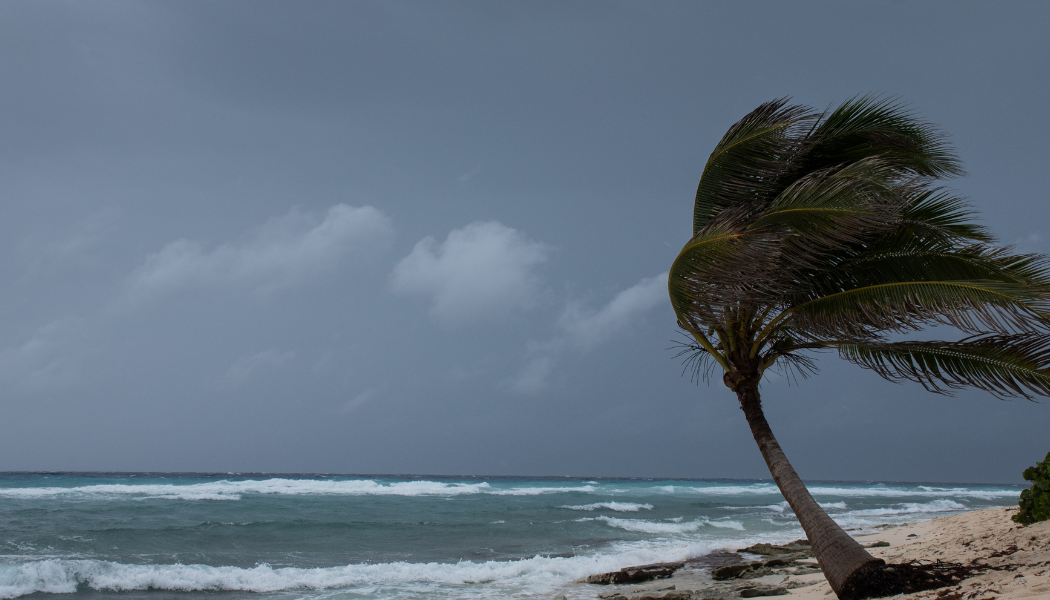
Aruba hurricane risk at a glance
| Hurricane belt | Outside the main belt (southern Caribbean, roughly 12°N) |
|---|---|
| Atlantic season | June 1–November 30 |
| Direct hurricane hits | None since records began in 1851, per the Aruba Tourism Authority |
| Most likely indirect effects | Rain, wind, and rough seas from passing systems |
| Peak activity elsewhere | August–October |
| Overall direct-hit risk | Very low |
Does Aruba get hurricanes?
Aruba rarely gets hurricanes. The Aruba Tourism Authority states that the island has not been directly hit by a hurricane since records began in 1851. That is the cleanest answer to “does Aruba get hurricanes” and “do hurricanes hit Aruba.”
The island can still feel tropical weather. A hurricane or tropical storm passing elsewhere in the Caribbean can produce stronger winds, rain, rough seas, or coastal effects. “Very rarely” is not the same as “never any weather.”
Is Aruba really outside the hurricane belt?
Yes. Aruba is outside the main Atlantic hurricane belt. The island sits in the southern Caribbean, close to the coast of Venezuela, well south of the primary hurricane tracks that affect many Caribbean islands. The Aruba Tourism Authority describes Aruba as being outside the hurricane belt and notes that hurricanes are extremely rare on the island.
NOAA's historical hurricane-track data also provides useful context: the main concentration of Atlantic hurricane tracks lies farther north than Aruba, although tropical systems can still pass close enough to produce rain, wind, or rough seas. See the National Hurricane Center for live outlooks and track maps.
“Outside the hurricane belt” does not mean zero risk. It means Aruba is considerably less exposed to direct hurricane impacts than many islands farther north in the Caribbean.
Aruba hurricane season: June to November
When is hurricane season in Aruba?
Aruba's hurricane season follows the Atlantic hurricane season, which runs from June 1 through November 30. Those dates apply in 2026 as well. Because Aruba is outside the main hurricane belt, the island's risk of a direct hurricane impact is much lower than in many other Caribbean destinations.
| Month | Hurricane concern | What travelers should know |
|---|---|---|
| June | Very low | Season begins; Aruba remains outside the main belt |
| July | Very low | Generally sunny and breezy |
| August | Very low | Peak Atlantic activity begins; Aruba stays relatively protected |
| September | Very low | Peak hurricane season elsewhere; direct impacts remain rare |
| October | Very low | More rain can occur as Aruba enters its wetter period |
| November | Very low | Season ends November 30 |
Aruba hurricanes in August
August is part of the Atlantic hurricane season and is one of the more active months for tropical systems in the Atlantic. Aruba remains outside the main hurricane belt, and a direct hurricane impact is extremely rare. Most August days still look like normal Aruba beach weather: trade winds, 82–88°F (28–31°C), and the occasional short shower.
Aruba hurricanes in September
September is historically the busiest month for Atlantic hurricanes. Aruba's southern position still keeps it outside the main concentration of tracks. Direct impacts remain extremely rare. Days can feel a bit warmer if the trade winds ease, and brief showers are possible — that is not the same as a typical Caribbean hurricane-week shutdown.
Aruba hurricanes in October
October is still inside the Atlantic season. Aruba's own weather often becomes slightly wetter, with brief passing showers. Those showers are a normal seasonal shift, not evidence that the island sits in the hurricane belt. Direct hurricane impacts remain extremely rare.
Why does Aruba rarely get hurricanes?
Aruba's biggest advantage is its location. The island sits in the southern Caribbean, around 12° north latitude and just off the coast of Venezuela. Most Atlantic hurricanes that affect the Caribbean travel farther north, leaving Aruba outside the main concentration of hurricane tracks.
This does not mean Aruba is completely immune to tropical weather. A hurricane or tropical storm passing elsewhere in the Caribbean can still produce stronger winds, rain, rough seas, or other indirect effects. “Outside the hurricane belt” should be read as very low hurricane risk, not zero weather risk.
Has Aruba ever been hit by a hurricane?
Aruba has not experienced a direct hurricane hit in the historical record. The Aruba Tourism Authority states that the island has not been directly hit by a hurricane since records began in 1851.
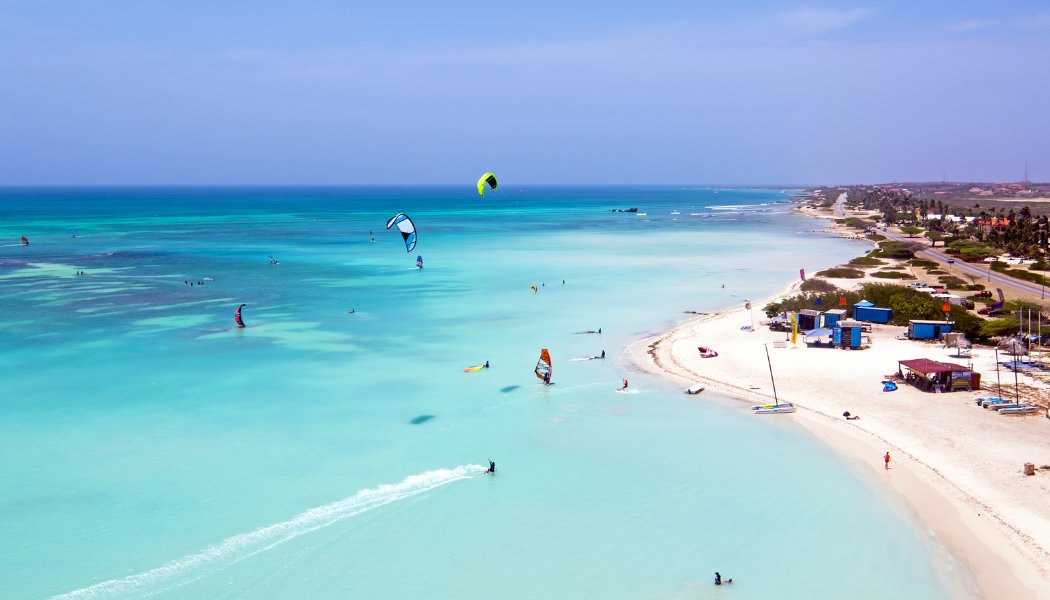
While Aruba has avoided direct hurricane hits, storms passing nearby can still affect the island. Those effects can include stronger winds, rough seas, heavy rainfall, and localized flooding. Official Aruba tourism discusses Hurricane Ivan (2004) and Hurricane Felix (2007) as examples of storms whose effects were felt in Aruba without a direct hurricane strike.
Caribbean hurricane risk comparison
This is not a scientific ranking. It answers a practical question: is Aruba less exposed to direct hurricane hits than many better-known Caribbean destinations?
| Destination | General hurricane exposure | Aruba comparison |
|---|---|---|
| Aruba | Very low direct-hit risk | Outside the main hurricane belt |
| Bahamas | Higher exposure | More exposed than Aruba |
| Jamaica | Higher exposure | More exposed than Aruba |
| Dominican Republic | Higher exposure | More exposed than Aruba |
| Barbados | Some exposure | More exposed than Aruba |
Do I need travel insurance for Aruba during hurricane season?
Travel insurance can provide useful protection for trip cancellation, interruption, medical expenses, and other unexpected events. Aruba's hurricane risk is very low, but weather conditions can still occasionally affect flights, cruises, or activities. Check your policy's specific coverage and exclusions before traveling.
For medical coverage, evacuation, and what US health plans do not cover on island, see the Aruba travel insurance guide.
More Aruba weather planning
For month-by-month weather, prices, and crowd patterns, use the best time to visit Aruba guide.
View best time to visitFAQ
Does Aruba get hurricanes?
Very rarely as a direct hit. The Aruba Tourism Authority describes Aruba as outside the hurricane belt and states the island has not been directly hit by a hurricane since records began in 1851. Passing storms elsewhere in the Caribbean can still bring wind, rain, or rough seas.
Is Aruba in the hurricane belt?
No. Aruba sits in the southern Caribbean, about 15 miles off Venezuela at roughly 12°N, south of the main Atlantic hurricane tracks. Official Aruba tourism describes the island as outside the hurricane belt.
Is Aruba really outside the hurricane belt?
Yes. That phrase means very low direct-hit risk, not zero weather risk. NOAA track maps show most Atlantic hurricanes concentrating farther north. Nearby systems can still affect flights, surf, and outdoor plans.
Why doesn't Aruba get hurricanes?
Geography. Most Atlantic hurricanes that affect the Caribbean travel farther north than Aruba. The island’s southern location is the main reason direct hits are so uncommon.
When is hurricane season in Aruba?
It follows the Atlantic season: June 1 through November 30. In 2026 those dates are unchanged. Local risk of a direct hurricane impact stays much lower than on many islands farther north.
Has Aruba ever been hit by a hurricane?
The Aruba Tourism Authority says the island has not been directly hit by a hurricane since records began in 1851. Official tourism still notes that passing systems can produce rain, wind, and coastal effects.
Does Aruba get hurricanes in August, September, or October?
Those months are the peak of the Atlantic season elsewhere. Aruba remains outside the main belt, so a direct hurricane impact is still extremely rare. Brief showers and stronger trade winds are more typical than a storm shutdown.
Is it safe to visit Aruba during hurricane season?
For most travelers, yes. Watch the forecast, keep plans somewhat flexible, and use travel insurance that covers cancellations, medical care, and delays. Hurricane risk is very low; weather can still affect a flight or a boat day.
Do I need travel insurance for Aruba during hurricane season?
Travel insurance can cover cancellation, interruption, medical expenses, and delays. Aruba’s hurricane risk is very low, but weather can still affect flights, cruises, or activities. Check your policy’s coverage and exclusions before you travel.
What should I do if a tropical storm is forecast near Aruba?
Follow the Meteorological Department of Aruba, your hotel, and the National Hurricane Center outlook. Stay off exposed piers and reefs in high swell, and keep flights flexible.
Related Aruba travel guides

Best Time to Visit Aruba 2026: Weather, Prices & Hurricane Season
Month-by-month weather, prices, and how hurricane season actually feels on an island outside the main belt.
First Time in Aruba: Complete 2026 Travel Guide
ED Card, where to stay, getting around, and a first-timer itinerary.

Aruba Travel Insurance 2026
Medical coverage, evacuation, delays, and what US health plans do not cover on island.
Related guides
A few more Travel Tips reads that pair with this page.

Aruba Airport VIP Arrival & Departure Service (2026): Skip Lines, Save Time
Flying in or out of Aruba on a Saturday? Skip long outdoor lines with VIP Meet and Greet services. Fast-track immigration, security, and access the VIP lounge.

Aruba Beach Etiquette 2026: Palapa Rules, Beach Guidelines & Visitor Tips
Palapa rules, public-beach law, hotel setup etiquette, towel-claiming, reef-safe sunscreen, beach flags, and practical tips for resort guests, rental stays, and day visitors.
Aruba ED Card 2026: Cost, Requirements & Official Website
The Aruba ED Card is mandatory, including for children. Most air travelers pay a $20 Sustainability Fee at edcardaruba.aw. Who needs it, who is exempt, and when to apply.
Aruba Grocery Delivery Guide (2026): Super Food Aruba, GroceriesToGo & Food Delivery
How to get groceries delivered in Aruba: Super Food Aruba online ordering, GroceriesToGo, food delivery options, and practical delivery + transport planning.

Aruba Tipping Guide 2026: Restaurants, Taxis & Service Charges
Understand tipping in Aruba: restaurant service charges, taxis, hotels, tours, USD vs AFL, lucky $2 bills, and common gratuity mistakes.