Bonaire Packing Guide 2026 — What to Bring for Diving, Shore Snorkeling & Island Days

Packing for Bonaire is not the same as packing for a beach resort holiday. Most visitors spend their days doing multiple shore dives or snorkel sessions from rocky entry points, driving long loops around the island in dry desert heat and spending evenings in the relaxed waterfront restaurants of Kralendijk. There are no beach butlers handing out towels. You carry your own gear to the water, gear up on the roadside and walk in.

This guide covers what actually matters for a Bonaire trip — with specific reasons why each item earns its place in your bag.

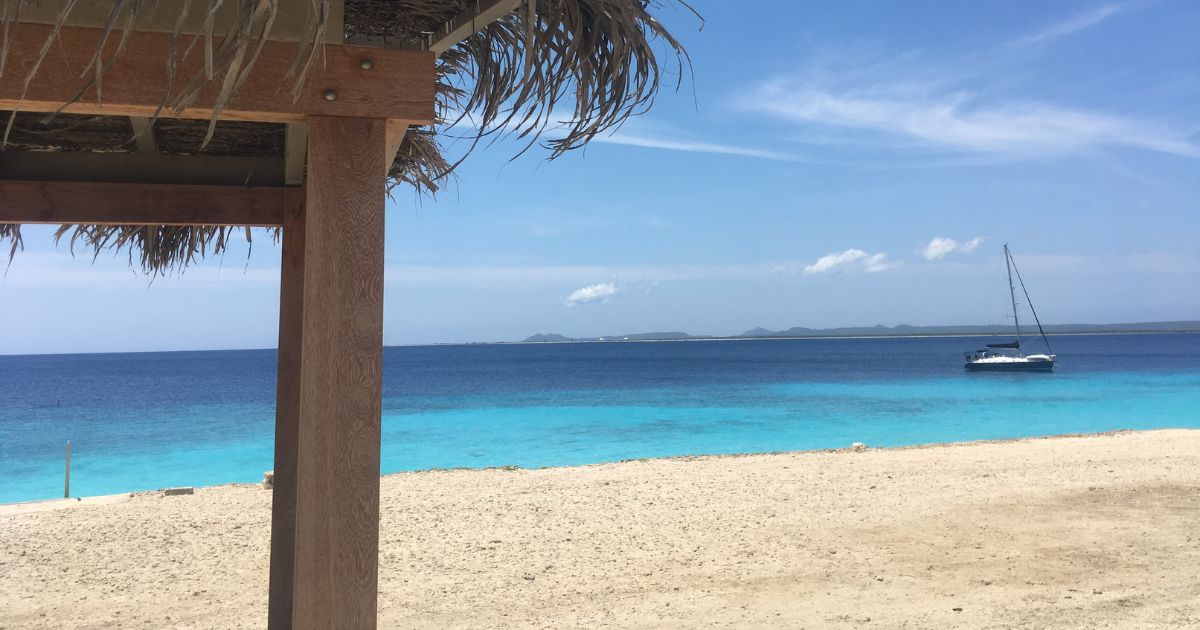
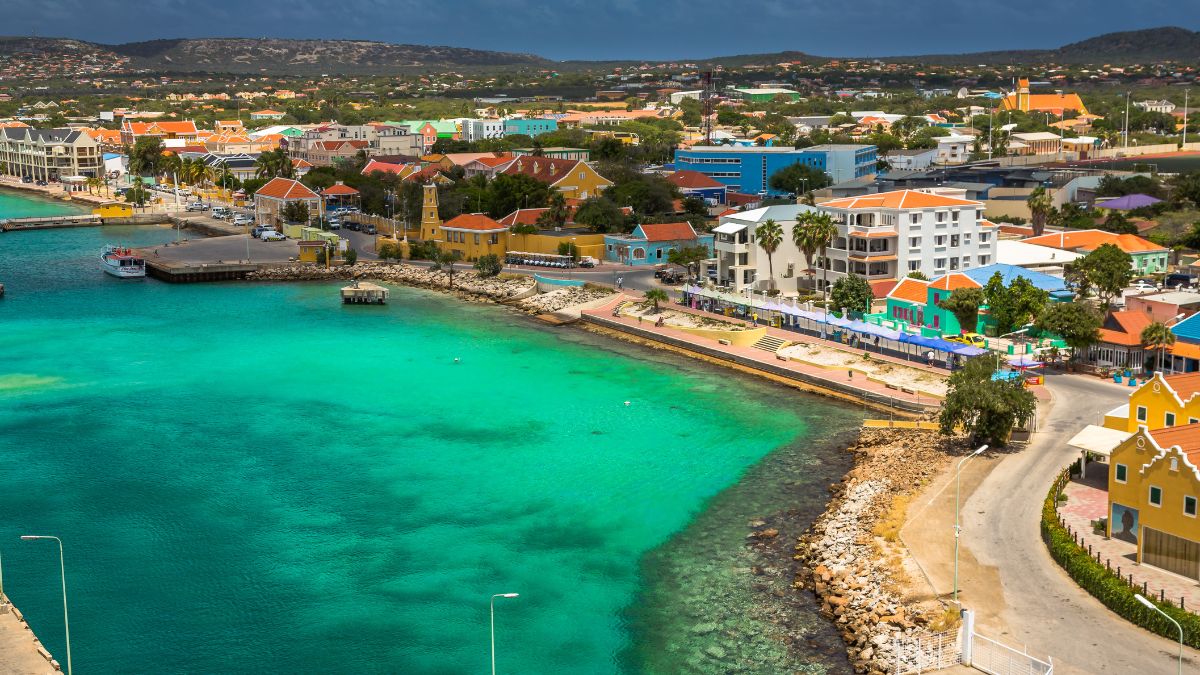
Bonaire coastline and clear water

Quick checklist

ItemWhy it matters in Bonaire
Reef safe SPF 50+Intense UV during long shore diving sessions
Water shoesRocky entries at Andrea I, Andrea II, 1000 Steps and most west coast sites
Insulated water bottleDry desert climate — you dehydrate faster than you expect
Snorkel setBetter fit than rentals, saves money over multiple days
Rash guardSun protection during extended water time
Polarized sunglassesStrong glare from salt flats, white roads and open water
Dry bagProtect phone and valuables at roadside entry points
Lightweight clothingHot, breezy — heavy fabrics are uncomfortable all day
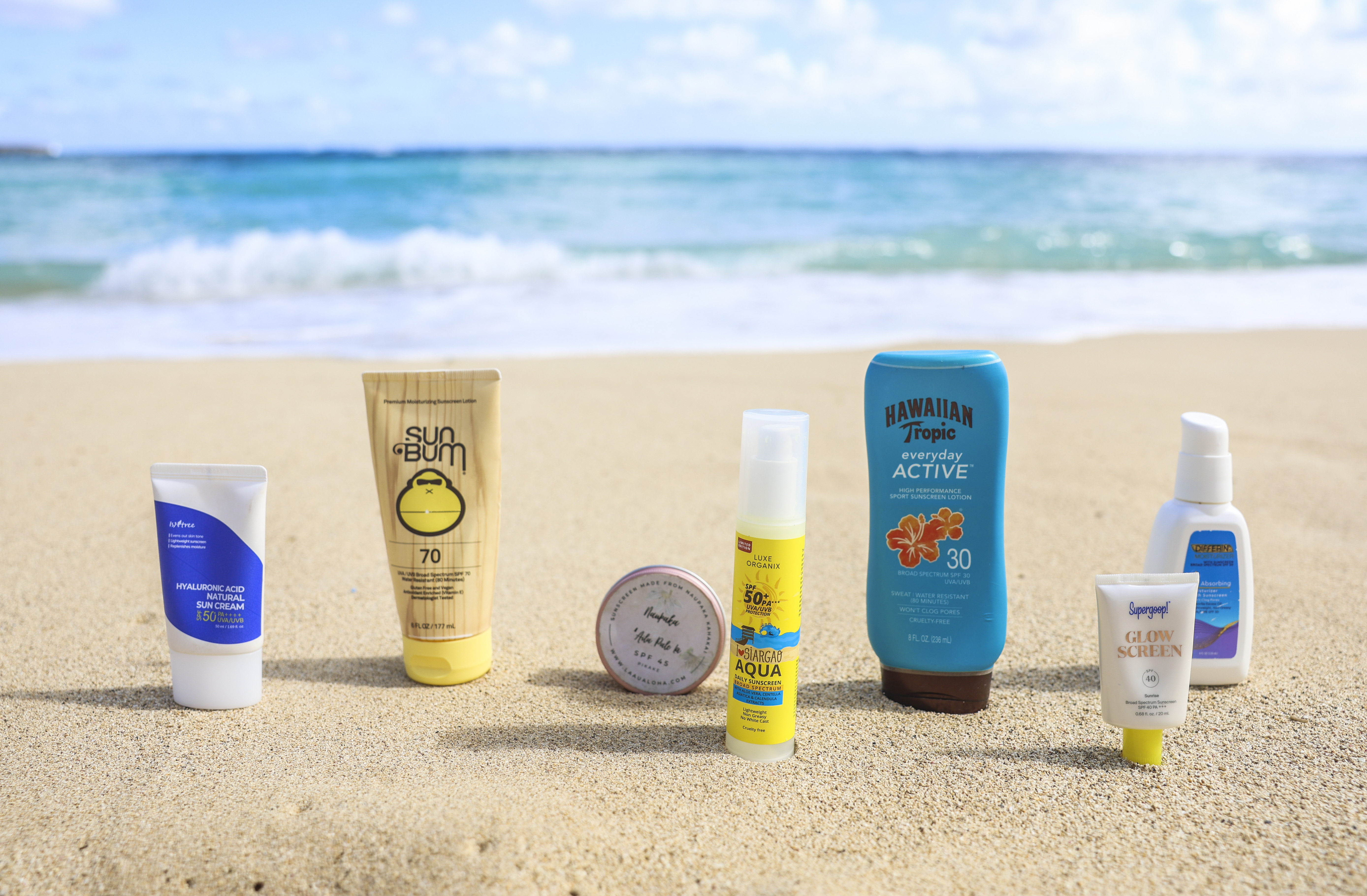
Reef safe sunscreen on beach

Sunscreen

Bonaire's UV index is extreme year round — similar to Aruba but with one key difference. Shore diving and snorkeling means you are in and out of the water repeatedly throughout the day, which requires more frequent reapplication than a single beach session. Most dive operators and the Bonaire National Marine Park require reef safe sunscreen — zinc oxide or titanium dioxide only. Chemical filters damage the reef that makes Bonaire worth visiting in the first place.

Apply 20 minutes before your first water entry and reapply every time you exit the water. Pay attention to the back of your neck, tops of feet and backs of knees — areas that face upward during snorkeling and burn quickly.

Tip: Buy sunscreen before you fly. Bonaire's small supermarkets and dive shops carry limited reef safe options at significantly higher prices than online.

Shop sunscreen on Amazon
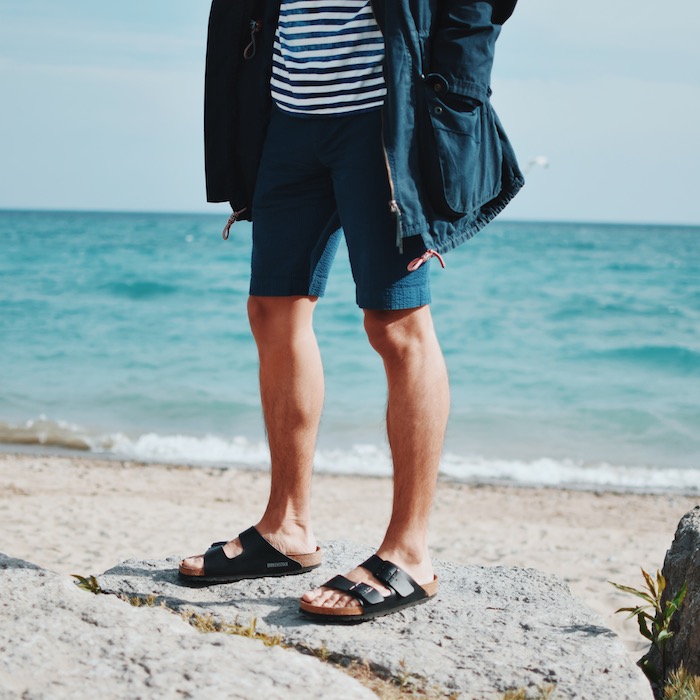
Water shoes near rocky shore

Water shoes

This is the single most important packing decision for Bonaire that most first time visitors get wrong. Unlike Aruba where most snorkeling is from sandy beaches or boat entries, Bonaire's shore diving happens almost entirely from rocky limestone coastline. There is no sand at most west coast entry points — you walk across sharp rock to get in and climb back out the same way.

Without water shoes the entries at sites like 1000 Steps, Andrea I and II, Invisibles and most of the west coast are genuinely painful. With water shoes they are straightforward. Non-negotiable item for Bonaire.

Tip: Choose shoes with a hard sole and ankle support rather than thin water socks — the limestone is sharp and uneven.

Shop water shoes on Amazon
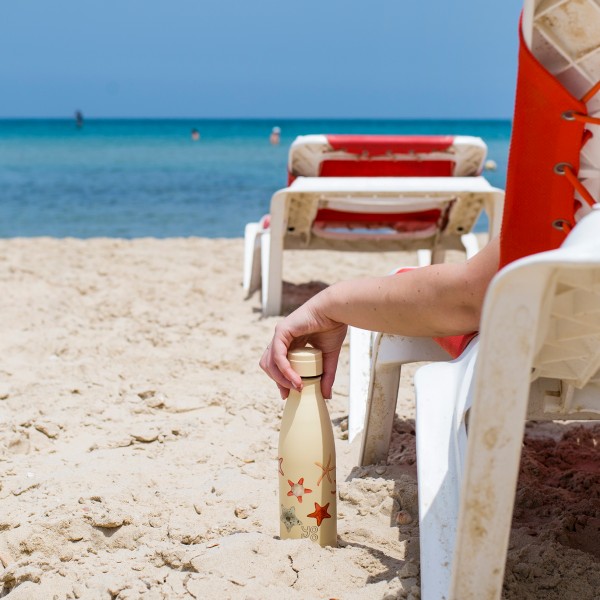
Insulated water bottle on beach

Insulated water bottle

Bonaire is a desert island. Annual rainfall is minimal, humidity is low and the trade winds create a false sense of comfort by keeping temperatures feeling manageable even when the UV index is extreme. Most visitors are surprised by how quickly they dehydrate — especially during multiple shore dive sessions where the physical exertion of carrying gear, suiting up and entering the water repeatedly adds up.

For driving loops through Washington Slagbaai National Park or the southern salt flats there are no shops or restaurants for long stretches. Carry more water than you think you need and keep it cold with an insulated bottle.

Tip: Freeze a partially filled bottle the night before long park days — it stays cold for hours in Bonaire heat.

Shop insulated bottles on Amazon
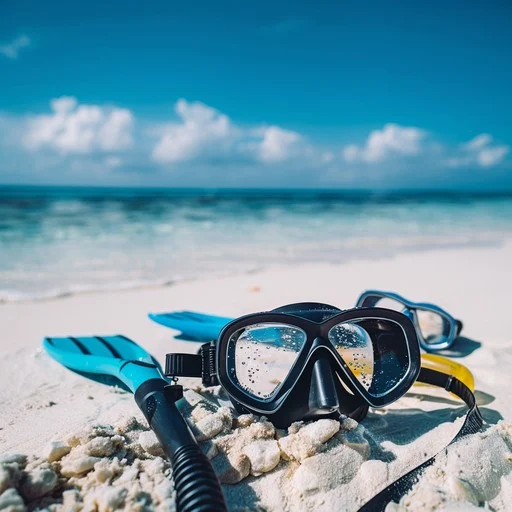
Snorkel gear near shoreline

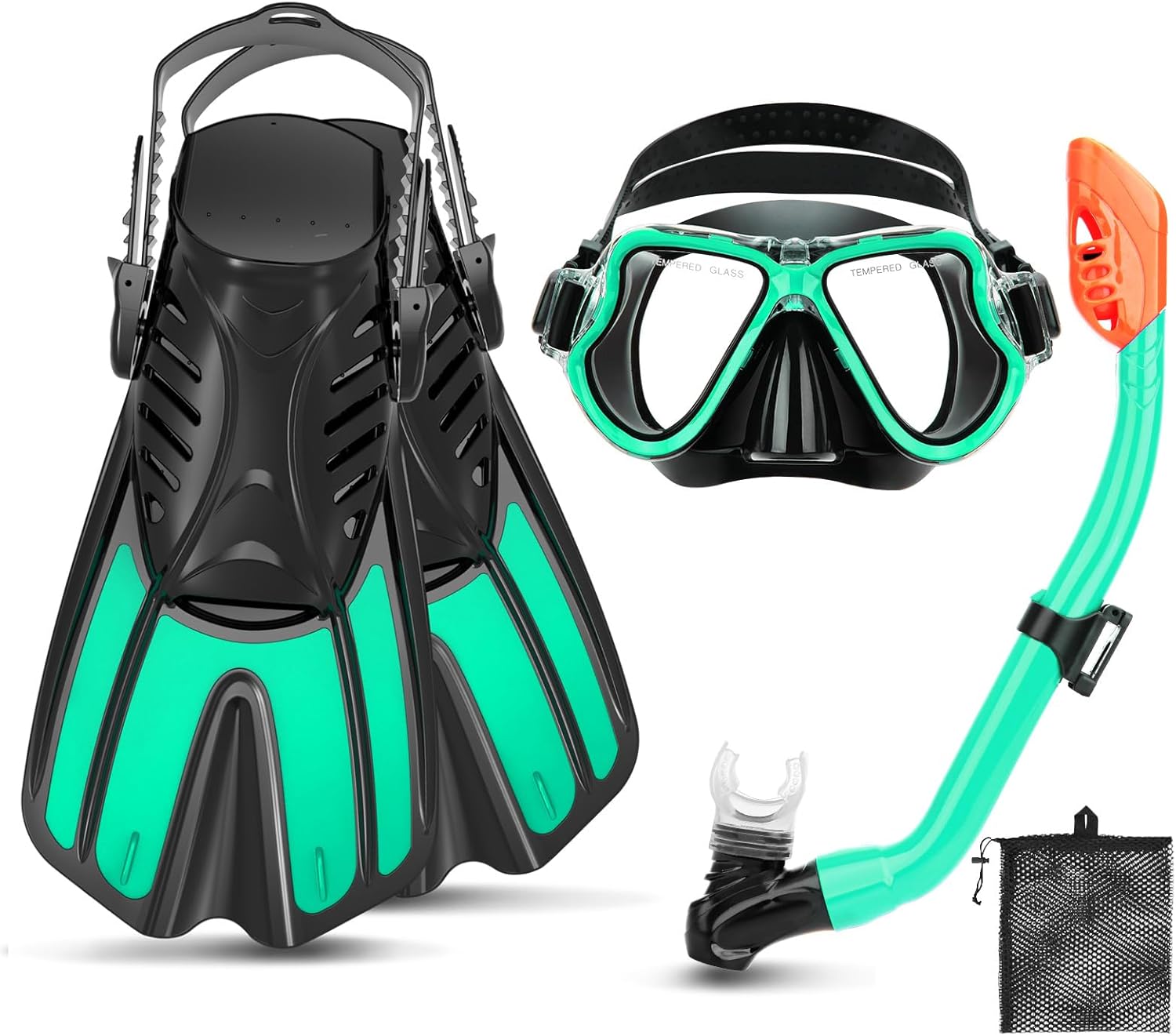
Snorkel gear

Bonaire has rental gear available at most dive shops but bringing your own has real advantages over a week long trip. A properly fitted mask makes an enormous difference to comfort and visibility — a generic rental that leaks or fogs is frustrating when you are trying to watch a sea turtle at Klein Bonaire. Your own dry-top snorkel eliminates water ingestion at the surface. And fins that fit correctly are far less tiring than ill-fitting rentals.

The west coast of Bonaire is lined with marked shore dive and snorkel sites — yellow painted stones mark each entry point. Having your own gear means you can stop spontaneously at any site without planning around rental shop hours.

Tip: A full face snorkel mask is a good option for beginners or casual snorkelers who find traditional masks uncomfortable — Bonaire west coast conditions suit them well.

Shop snorkel gear on Amazon
Rash guard and lightweight water clothing

Rash guard

A rash guard is more useful in Bonaire than almost any other Caribbean destination because of the amount of time spent in the water across multiple sessions per day. Sunscreen alone is not sufficient protection during four to six hours of cumulative water time — a UPF 50+ rash guard dramatically reduces your sun exposure without requiring constant reapplication.

It also protects against minor abrasions from rocky entries and accidental contact with the substrate. Essential for kids, highly recommended for adults.

Tip: Pack a separate rash guard for each full day of diving or snorkeling — wet rash guards in a dive bag get unpleasant quickly in Bonaire heat.

Shop rash guards on Amazon
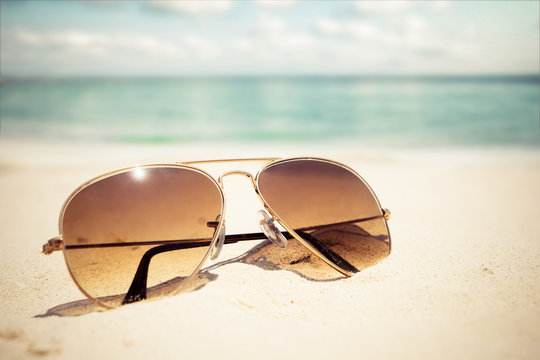
Polarized sunglasses for bright coastal glare

Polarized sunglasses

The glare in Bonaire is intense — bright white roads, reflective salt flats in the south, open water and limestone coastline all create significant eye strain during long driving days. Polarized lenses cut through water surface glare which is particularly useful when spotting shore entry points from the road or watching for marine life in the shallows.

A retention strap is worth adding for boat trips to Klein Bonaire or when moving between rocky entry points where there is a genuine risk of sunglasses falling into the water.

Shop sunglasses on Amazon
Waterproof dry bag for shore-entry days

Dry bag

Most of Bonaire shore diving and snorkeling happens from roadside entry points — you park, gear up and walk to the water. There is no locker, no beach attendant and often no shade. A dry bag keeps your phone, wallet, car keys and camera safe while you are in the water. A roll-top waterproof bag that doubles as a beach bag is the most practical option.

Tip: The AquaVault portable safe is worth adding if you are doing solo dives or snorkeling without a buddy to watch your gear — it locks to your car.

Shop dry bags on Amazon
Lightweight clothing for Bonaire

Lightweight clothing

Bonaire has a simple dress code — practical and casual. Most days involve moving between water sessions and casual meals in Kralendijk where relaxed beach clothing is completely appropriate. Heavy fabrics are uncomfortable in Bonaire heat and wind. Pack breathable linen or quick-dry materials and prioritize pieces that go from beach to restaurant without needing a change.

The trade winds are consistent and strong — a light layer for evenings on the waterfront is worth including even though daytime temperatures are warm.

Shop lightweight clothing on Amazon

What you do not need to pack for Bonaire

  • • Formal or dressy clothes — nowhere requires them
  • • Heavy beach towels — quick-dry travel towels work better
  • • Lots of cash — USD is the currency and cards are widely accepted
  • • Mosquito repellent — Bonaire has minimal mosquito issues compared to other Caribbean islands
  • • A heavy jacket — a light layer for air conditioned restaurants is sufficient

Bonaire specific tips

Driving: You need a car. Bonaire has no public transport and the dive sites, national park and flamingo viewpoints are spread across the island. A pickup truck or 4WD is popular for carrying dive tanks and gear. Book in advance — rental cars sell out during peak season.

Diving certification: If you plan to dive you need an open water certification. Many visitors do their Open Water course in Bonaire itself — it is one of the best places in the world to learn.

Klein Bonaire: The small uninhabited island just offshore is one of Bonaire best snorkel spots. Water taxis run from the harbor in Kralendijk. No facilities on the island — bring everything you need including water, sunscreen and snacks.

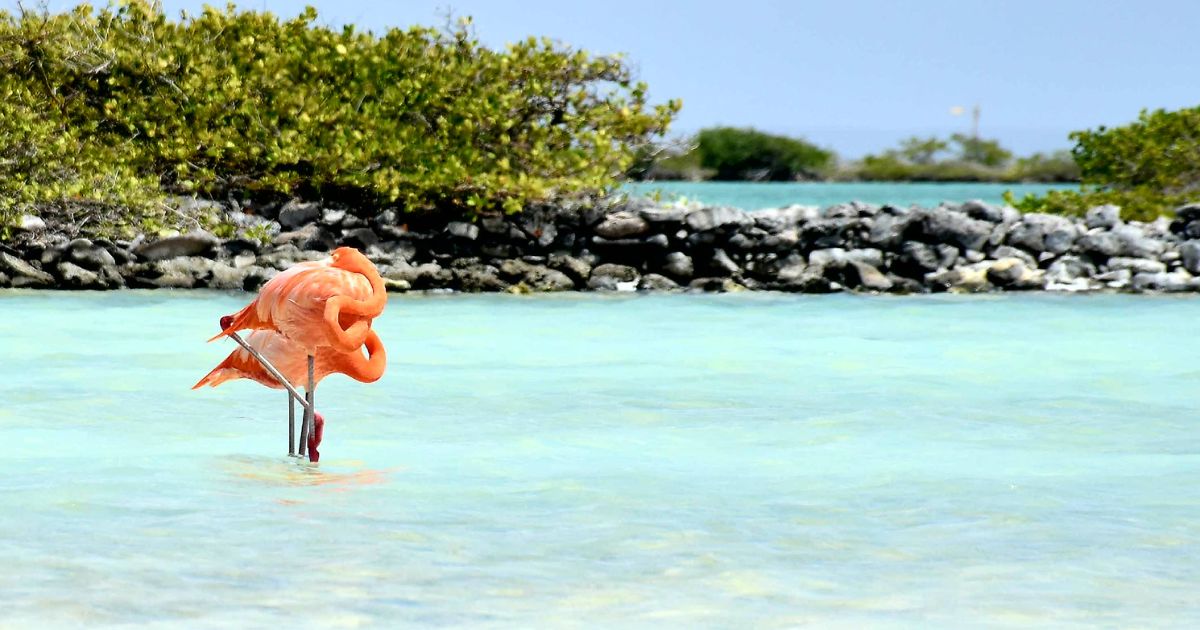
Flamingos: The flamingo colony at the southern salt flats is viewable from the road. You cannot enter the flamingo sanctuary but you can see them clearly from the roadside viewpoint near the salt works.

FAQ

Do I need to bring my own diving equipment to Bonaire?

Not essential — full dive gear rental is available at dive shops across the island. However serious divers often bring their own BCD, regulator and wetsuit for fit and familiarity. Tanks are always rented locally.

Is reef safe sunscreen required in Bonaire?

The Bonaire National Marine Park strongly encourages reef safe mineral sunscreen. Most reputable dive operators require it. Bring it from home — selection and prices on the island are worse than online.

Can I drink the tap water in Bonaire?

Yes — Bonaire tap water is desalinated and safe to drink. Refill your insulated bottle from the tap rather than buying single use plastic bottles.

What shoes should I wear in Bonaire?

Water shoes for dive and snorkel entries — essential. Comfortable sandals for Kralendijk and casual evenings. Closed toe shoes or trail sandals for Washington Slagbaai National Park dirt roads.

Is there a dress code in Bonaire restaurants?

No formal dress code anywhere. Smart casual is fine for nicer restaurants. Beach clothes are acceptable at most places.

More Bonaire guides

Keep planning with related destination guides and upcoming deep dives.

All Aruba Travel Guides

Explore our complete collection of expert travel guides to help you plan the perfect Aruba vacation.

© 2026 ArubaBuddies. All rights reserved.