Best Snorkel Gear for Aruba 2026 — Mask Fit, Fins & What to Bring or Rent
Snorkel gear for Aruba: how to get a leak-free mask fit, dry-top vs classic snorkels, travel fins vs full-foot, defog tricks, and when to rent beach gear vs pack your own.
What this guide covers
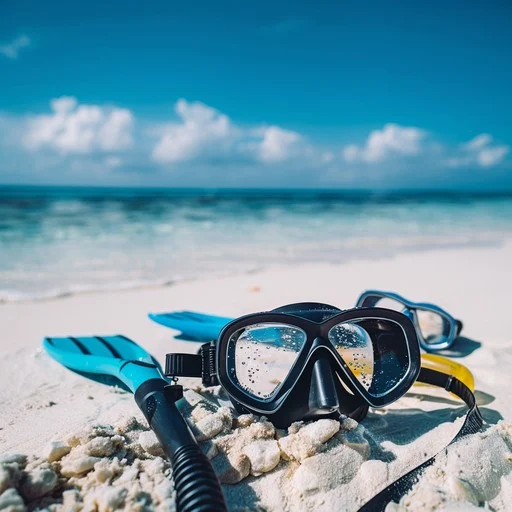
Aruba's north and west coast snorkel spots — Malmok, Boca Catalina, Mangel Halto, Baby Beach — reward you with clear water and fish-rich reefs. The difference between a great day and a fogged mask nightmare is almost always gear: a mask that fits your face, a snorkel that doesn't flood in chop, and fins sized so your feet don't cramp.
This guide walks through what to buy before you fly, what to rent on the island (especially if you're staying at a resort or using delivery services), and the small accessories that save trips — defog, a mesh rinse bag, and realistic expectations for trade-wind chop at the surface.
Why snorkel gear matters in Aruba specifically
Aruba isn't a pool — it's salt water, UV, and steady trade winds that kick up surface splash. That affects your setup in predictable ways:
- •Chop and splash make flooded snorkels more common — dry-top valves and a good purge help
- •Silicone skirts harden and seals matter — a rental mask that fit someone else may not fit you
- •Rocky entries at Malmok and limestone shelves mean you may wade in fins — strap adjustability counts
- •Sand gets into everything — rinse gear after every outing or zippers and buckles seize up
The bottom line
You don't need pro dive gear for most Aruba snorkel depths. You do need a mask that seals, a snorkel that stays clear, and fins that don't rub. Nail those three and the rest is optional.
The Best Snorkel Gear Categories for Aruba
Mask and snorkel, fins, and ready-made sets — plus the small extras that keep salt and sand from ruining your trip.
Mask & snorkel built for trade-wind chop
Who it's for: Anyone tired of a leaky seal at Malmok or a snorkel that floods every time the breeze picks up
On Aruba’s west coast, the surface rarely stays glassy all afternoon — tempered glass and a soft silicone skirt buy you a forgiving seal when you’re ducking under small waves. Strap high on the crown; squeezing the frame is what turns a good mask into a leak machine.
Dry-top snorkels shine when you’re floating off Boca Catalina or a breezy stretch of beach: the valve cuts down on splash flooding. Calm mornings at Baby Beach or Mangel Halto are where a simple J-tube still feels fine. Mustache? Softer silicone wins; full-face rigs belong in mellow water only — never when you’re working hard against current or surf.
Grown-ups & north-shore days

All-in-one set for adults
Mask, dry-top snorkel, short fins, and a bag — the same bundle we highlight on Aruba Essentials when you want one suitcase solution for Eagle Beach hops and limestone entries along the north string.
Kids & calm south shore
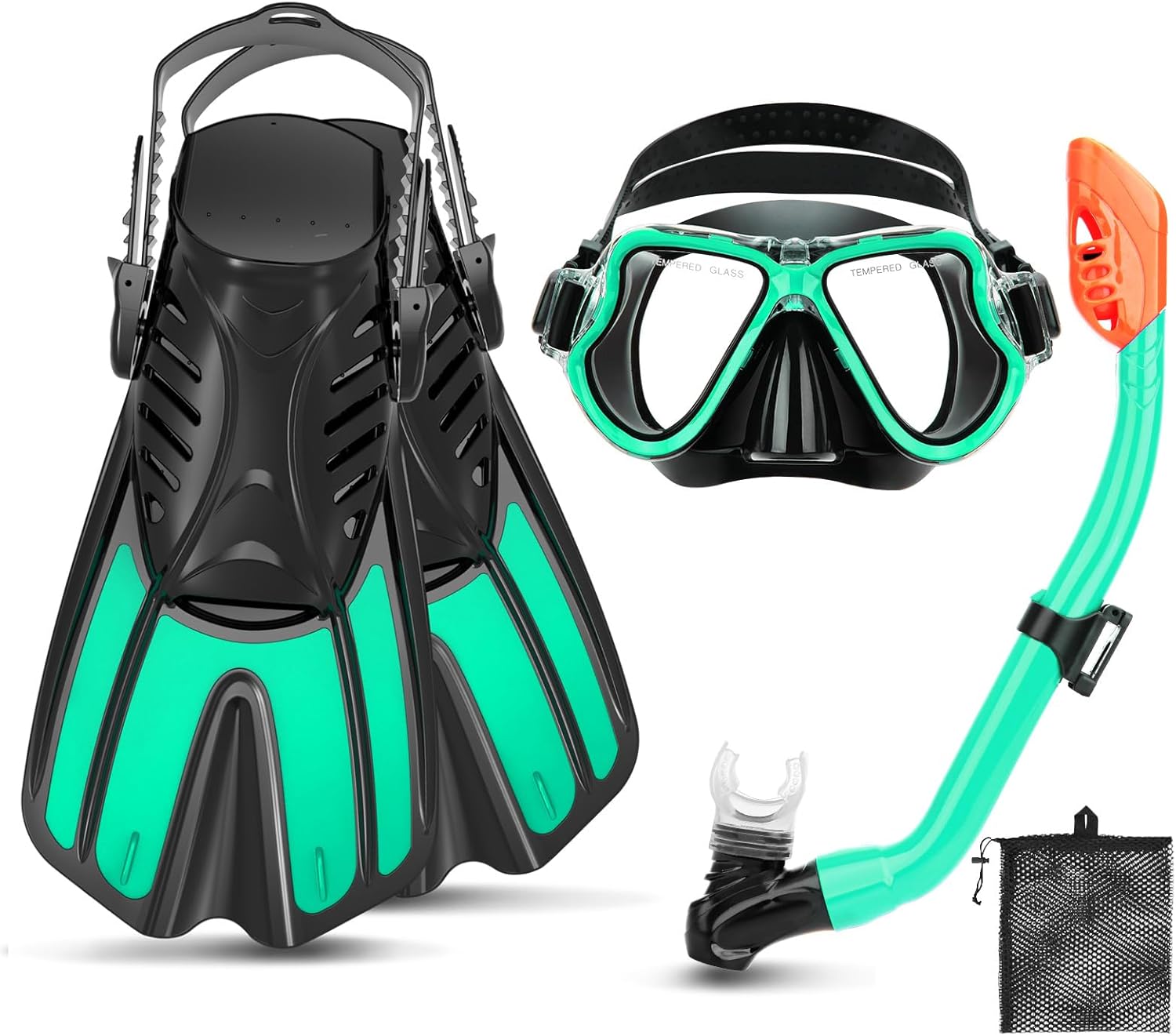
Smaller kit for family beach days
Sized for kids splashing at Baby Beach or a protected cove while adults snorkel nearby — fins and bag included so you’re not piecing gear together after you land.
Glassy water only

Full-face for mellow mornings
Wide view and easy nose-free breathing when the lagoon is flat — think still water off the hotel, not Malmok chop. Many operators still prefer a split mask; save full-face for calm, shallow floats where you’ve read the safety basics.
Short fins, rocky entries, boat ladders
Who it's for: Anyone debating whether to burn suitcase space on long blades or slip short fins next to a beach towel
Most Aruba reef snorkeling happens in shallow water — you don’t need freedive length. Short blades stash in a carry-on, and that matters when you’re flying in for a week. Sandy wades at Baby Beach love a full-foot feel; Malmok’s rubble and limestone shelves reward open heels and something on your feet for the walk in.
Stiff fins in trade-wind chop will tire you fast. Off a catamaran or small boat, compact fins are less awkward on a ladder than long freediving blades — same story if you’re hopping between two beaches in one morning.
Carry-on friendly
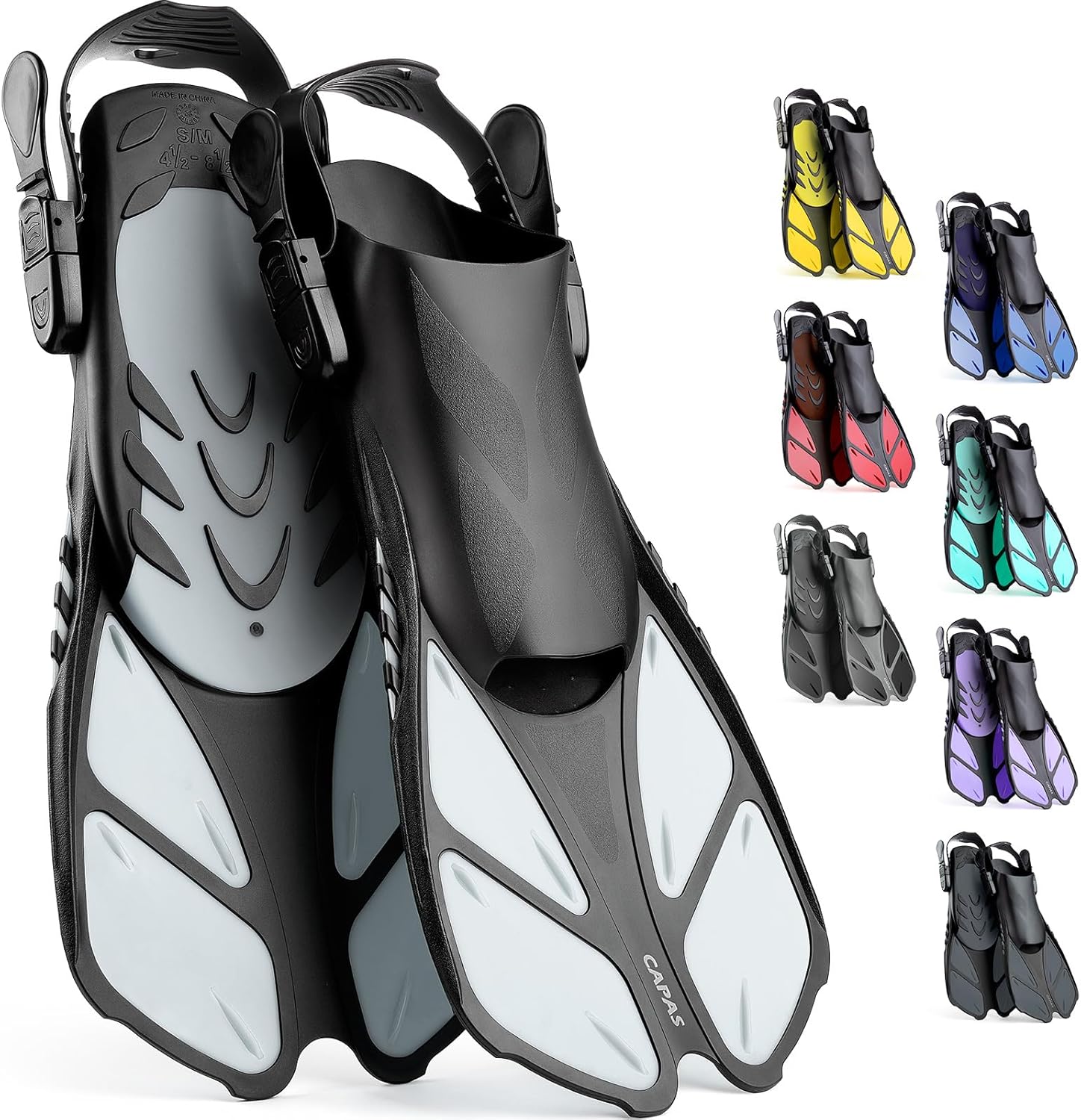
Adjustable short fins for travel
Open-heel and short enough for a roller bag — fine for adults and teens threading rocky entries on the north coast or kicking over patch reef without overpacking.
Light & rugged straps

Travel fins that shrug off sand
Light blades and buckles that survive rinse-repeat after every swim — handy when you’re tightening straps with sandy fingers post-wade at a west-end beach.
Little feet

Youth fins for pool test before the trip
Short kids blades for building confidence before salt water — useful when bundled set fins no longer fit and you still want them comfortable in supervised shallows.
One bag from hotel pool test to reef day
Who it's for: Families who’d rather unpack once than chase missing mask clips in Palm Beach traffic
Buying before you fly lets you leak-test in a pool — something you can’t do with a last-minute resort shop grab. Mesh bags earn their space on boat mornings: rinse at the condo, hang on the balcony, and sand drops out before the next Mangel Halto run.
Pair gear with reef-safe sunscreen and water — our reef sunscreen guide covers what holds up in Aruban UV when you’re floating for hours.
Bring fins separately or rent

Mask, snorkel & rinse bag only
When you already have fins or plan to rent blades on-island but want your own seal and dry-top for chop off the west coast — rolls small next to a week of swimsuits.
Whole family, one zip

Mask, fins, snorkel & travel sack
Everything in one bundle for testing fit at home — ideal if you’re driving to multiple beaches in one trip and don’t want mismatched rental sizes between Eagle and the south shore.
Calm lagoon days
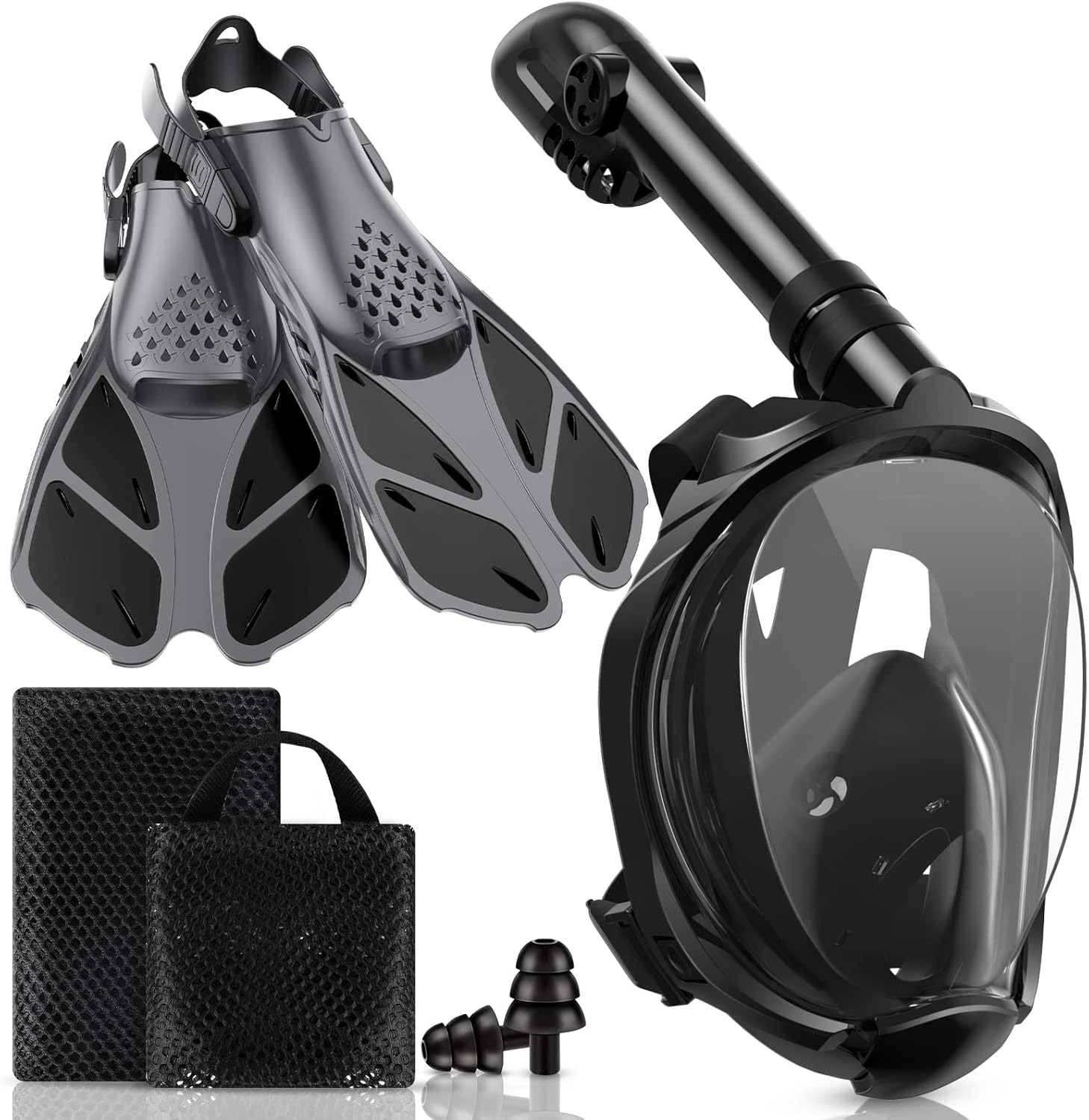
Full-face plus fins (easy water only)
For protected, flat conditions where you’re not fighting swell — integrated snorkel and wide lens, with fins for lazy kicks. Not what most boat crews want you in; use judgment and stay shallow.
Rent snorkel gear in Aruba or bring your own?
Renting makes sense for short stays, especially if you don't want to carry fins in luggage. Many visitors use beach gear rental services that deliver chairs, umbrellas, and sometimes snorkel sets — convenient for families. Quality varies; if you're picky about mask fit, bring at least your own mask and snorkel, and rent fins locally.
Buying online before you travel is usually cheaper than impulse purchases at hotel gift shops — and you can test the mask in a pool at home.
Want gear and the route handled for you?
If you'd rather follow a local guide than juggle rentals and shore entries, these snorkeling excursions include equipment (read each listing — some provide fins, others expect you to bring your own) and hit some of Aruba's best-known stops:
ArubaBuddies may earn a commission when you book through links on this page, at no extra cost to you.

Aruba Addicts
Aruba Turtle Spotting Snorkeling Adventure
Private guide, full snorkel kit, and photos or video of your swim. About 90 minutes with sea turtles after a responsible-viewing briefing. 5.0 stars from 63 Viator reviews.
From $75
Check Availability
Nautilus Dive Center Aruba
Aruba Snorkeling Tour: Mangel Halto and Baby Beach
Four hours across two south-shore classics: Mangel Halto’s reef and mangroves, then Baby Beach’s shallow lagoon. Private transport, gear, water, and a snack included. 4.7 stars from 72 reviews.
From $115
Check Availability
EZ Raider Aruba Tours
Aruban Local Lunch and Baby Beach Snorkeling
North-coast Aruban stew, then about an hour at Baby Beach with mask and optional life vest — fins not supplied, so bring your own if you want them. 3.7 stars from 3 reviews.
From $55
Check Availability
Snorkel gear care in salt air
- • Rinse mask, snorkel, and fins in fresh water after every saltwater use
- • Dry out of direct sun — UV degrades silicone and strap rubber faster in Aruba
- • Store mask with a soft lens protector or sock so it doesn’t scratch in the bag
- • Don’t leave black rubber fins on hot car seats — they'll warp
Snorkel Gear for Aruba — FAQs
Do I need a dry-top snorkel in Aruba?
Not mandatory, but dry-top snorkels reduce splash flooding on windy days when the trade winds chop the surface. If you only snorkel in calm, protected bays, a simple snorkel can be fine.
Why does my mask leak only in Aruba?
Often it's hair under the skirt, an overtightened strap, or a mask that doesn't match your face shape. Rinse sunscreen off your face before sealing the mask. Try a different model — faces are different and one-size fits all is rarely true.
Can I use a full-face snorkel mask in Aruba?
Some people enjoy them for calm shallow water. They are controversial for safety: harder to clear, different CO₂ dynamics, and not suitable for strenuous swimming or rough water. Follow local operator rules — many tours prefer traditional masks.
Should I rent fins or bring travel fins?
If you snorkel often or have fin size needs, bring compact travel fins. If you rent, check strap condition and try a few steps on sand before committing to a long swim.
Is snorkel gear required at Aruba beaches?
No — but most snorkel tour operators require life vests or safety briefings and may restrict certain equipment. Reef-safe sunscreen is widely expected at marine areas.
Pack smart
Gear up before you fly
Quality snorkel sets cost less online than at resort gift shops — and you can test your mask fit in a pool before your first ocean swim in Aruba.
Browse snorkel gear on AmazonAs an Amazon Associate, we may earn commission from qualifying purchases at no extra cost to you.
Related Aruba guides
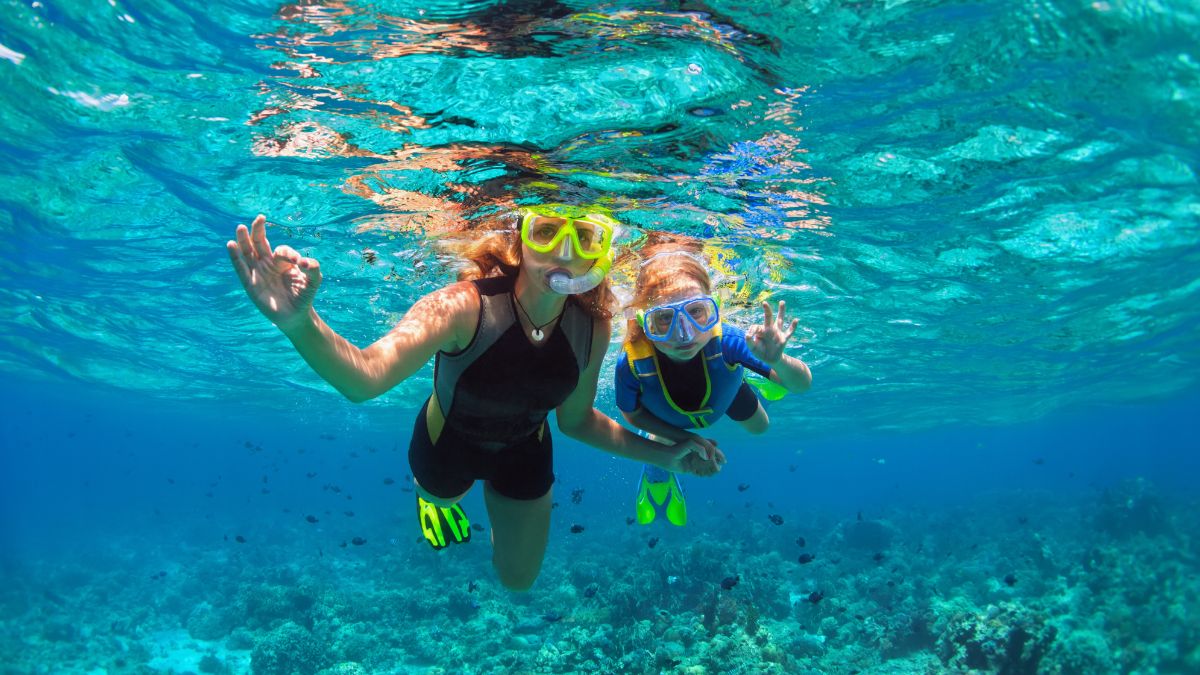
Best Underwater Camera for Aruba — GoPro, Housings & Snorkel Picks
Action cameras, phone housings, and budget waterproof cameras for reef days.
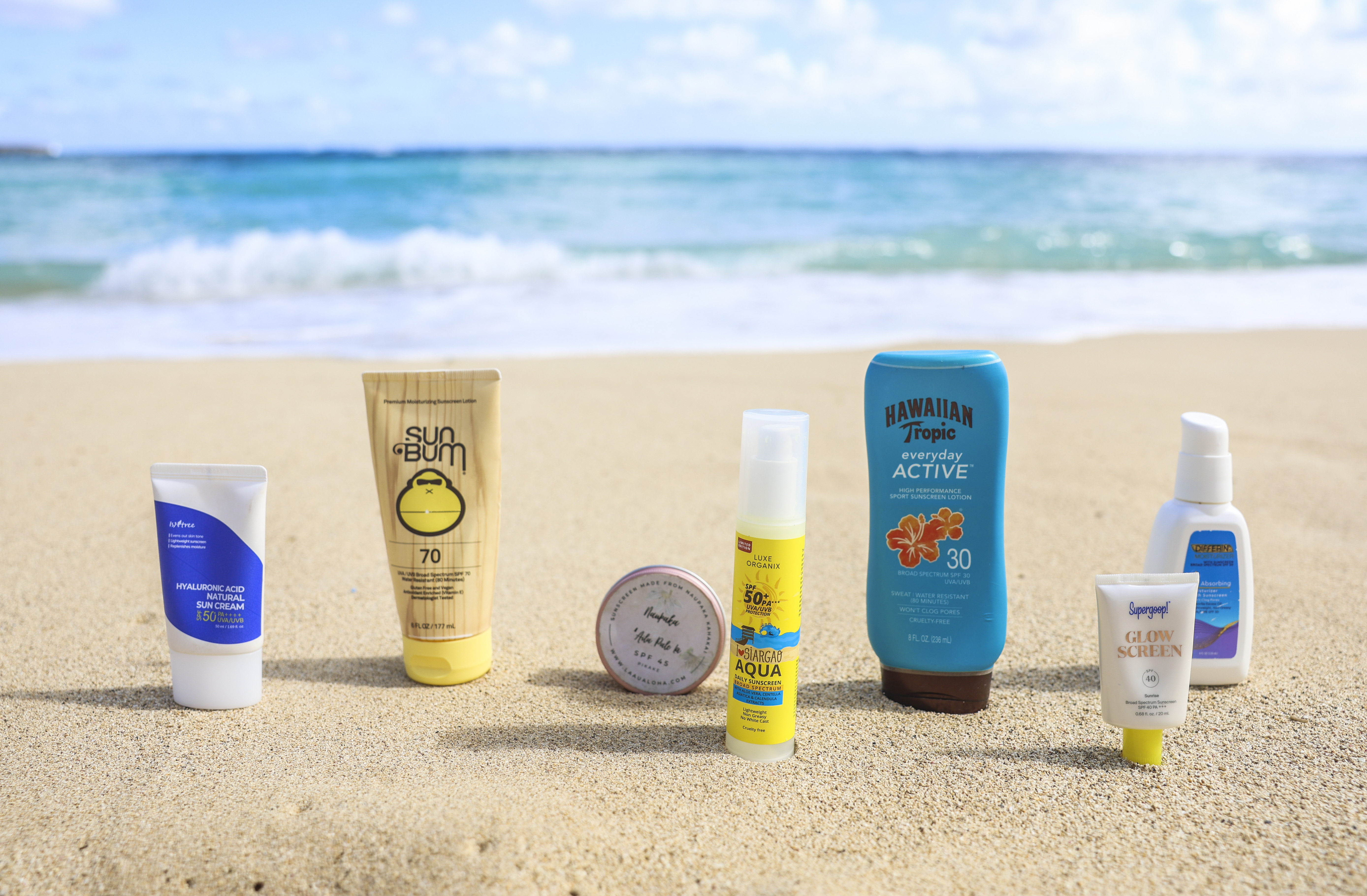
Best Reef Safe Sunscreen for Aruba — Mineral SPF & Aruba Aloe
Reef-friendly mineral picks and after-sun care for snorkel and beach days.
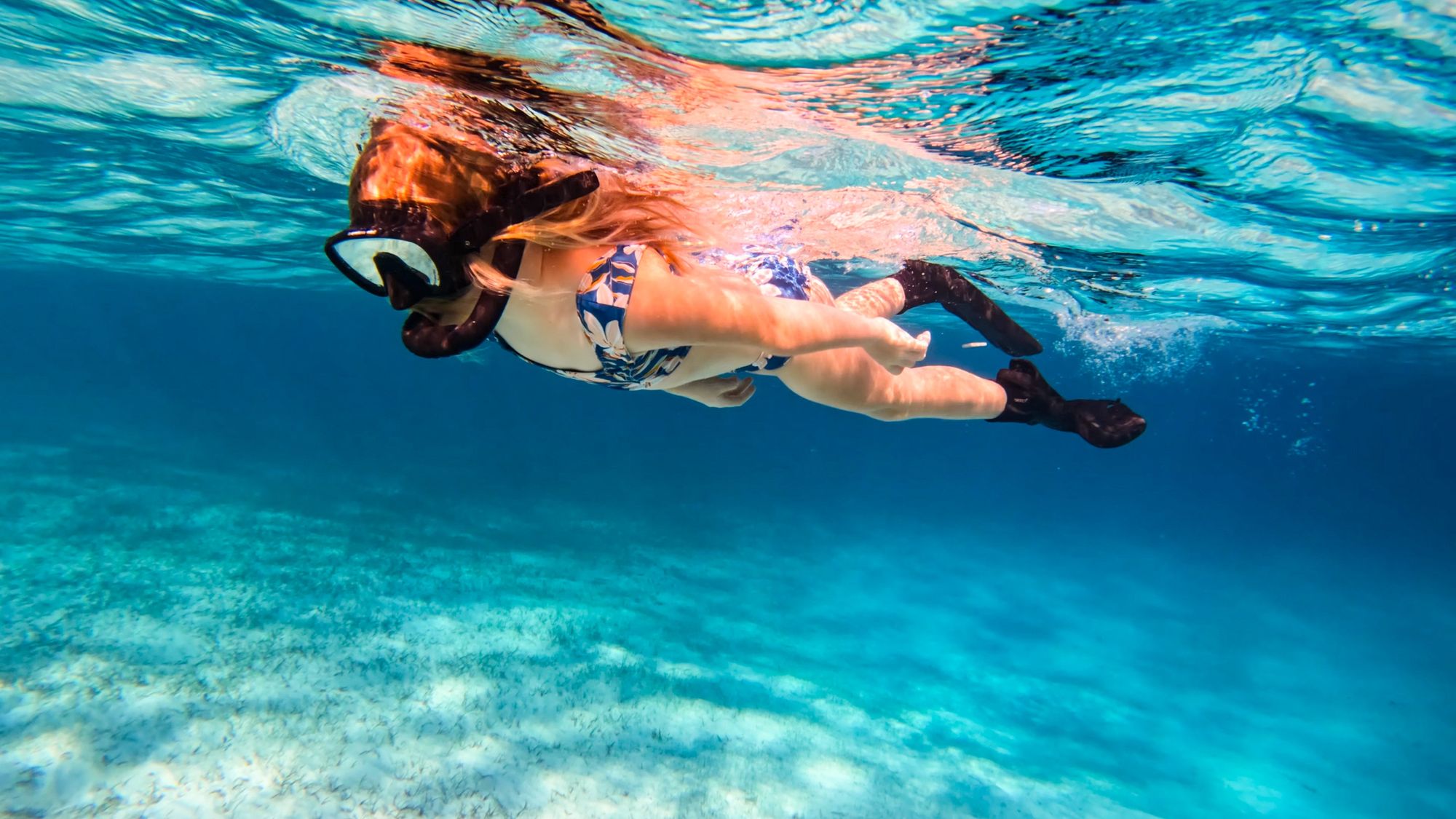
Best Snorkeling Spots in Aruba: Complete Guide
Turtle spots, calm bays, and wreck snorkeling — where to go first.
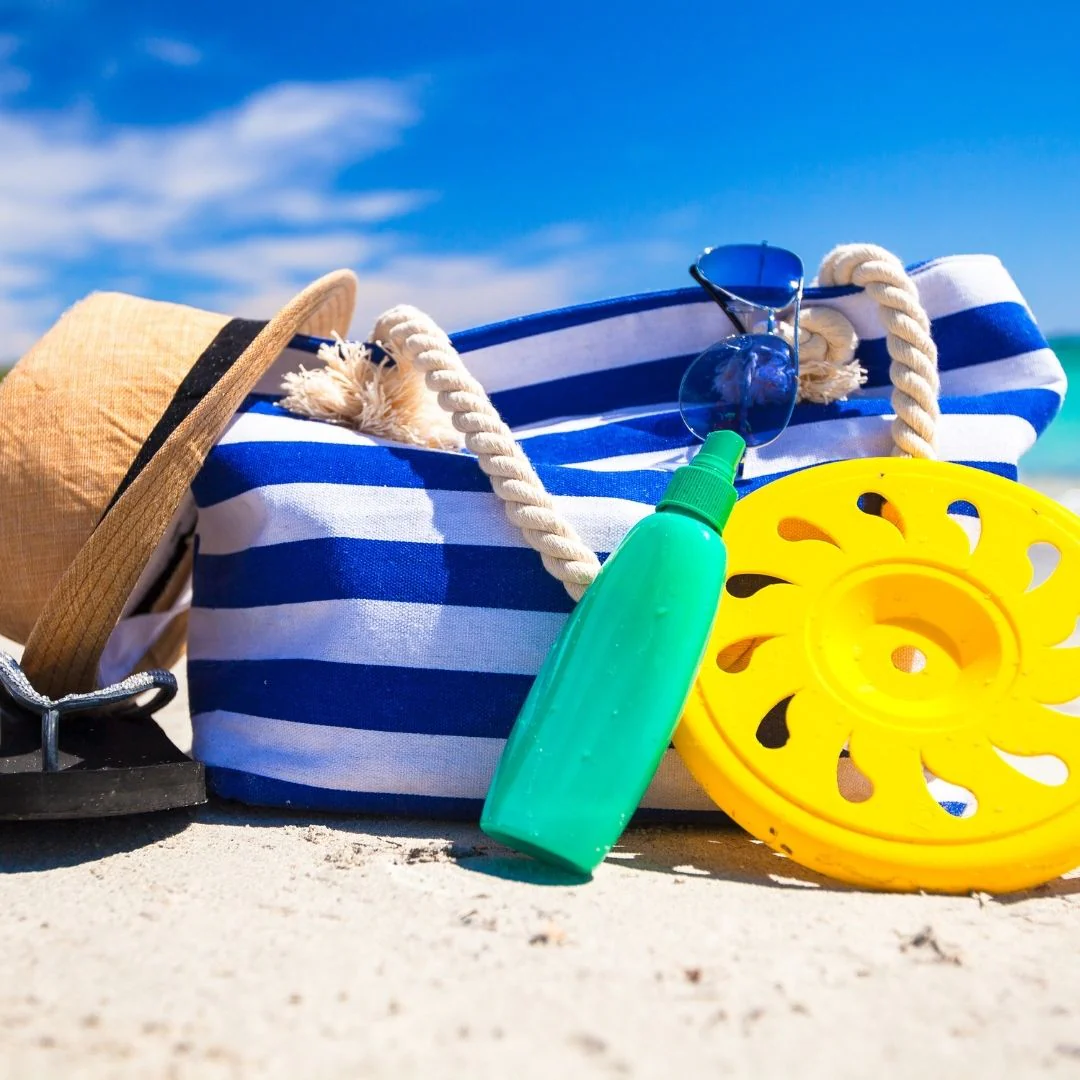
Aruba Must Haves — Packing, Gear, Rentals & Insurance Hub
Central hub for guides, rentals, cars, and travel insurance.
This guide is part of our Aruba Must Haves hub — gear, rentals, insurance, and essentials in one place.
View all must-have guidesRelated guides
A few more Packing Guide reads that pair with this page.

Aruba Aloe Products Guide
After-sun lotions and gels — not sunscreen. Where to buy in the USA and factory tours.
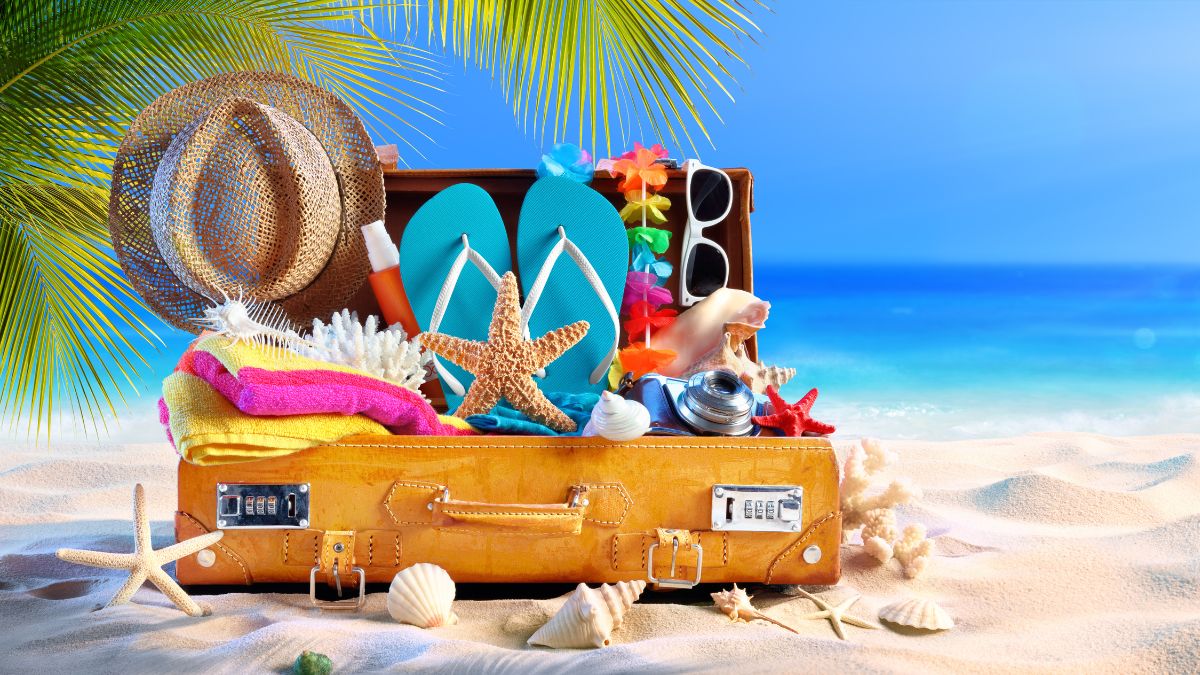
Aruba Essentials 2026: What to Bring, Pack & Wear
Complete Aruba packing list 2026: what to bring, what to wear, and must-have essentials for sun, beach, and activities. Checklist + top Amazon picks included.
Best Underwater Camera for Aruba
GoPro, DJI, phone housings, and budget picks — for Baby Beach, Malmok and Boca Catalina.
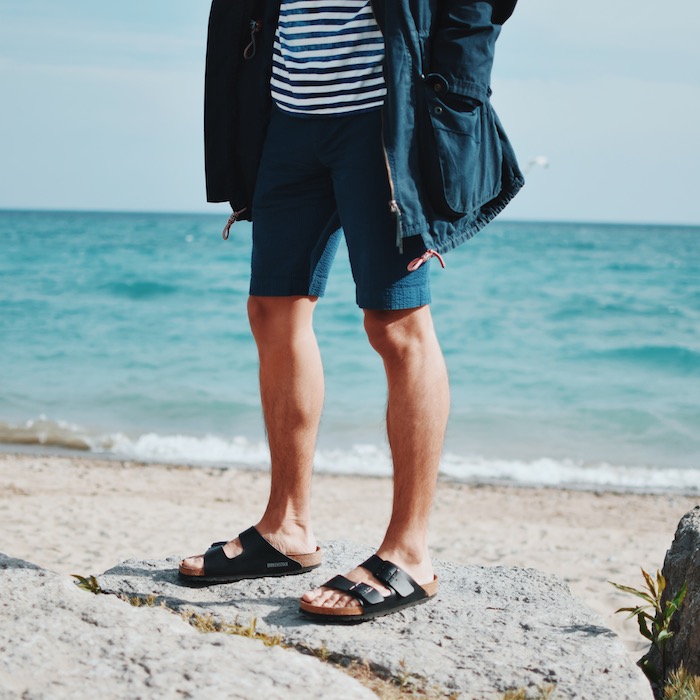
Best Water Shoes & Footwear for Aruba
Water shoes, arch-support sandals, and travel fins — rocky entries, town walks, and snorkel days (same footwear picks as Aruba Essentials).
Reef Safe Sunscreen Guide
Mineral SPF 50+ picks by category, Aruba Aloe after-sun, and snorkel-friendly rules.