Is Bonaire safe for tourists?
For most tourists, Bonaire is a relatively easy island to navigate.
Kralendijk is small, English is widely used within tourism, rental vehicles are common and much of the visitor experience revolves around diving, snorkeling and nature.
But Bonaire isn't a destination where every visitor remains inside a resort.
You may be:
- driving to isolated snorkeling sites
- leaving a rental vehicle near the coast
- entering the sea from rocky shorelines
- spending a full day inside Washington Slagbaai
- diving independently
- driving poorly lit roads after dark
Those situations create different risks from a conventional resort vacation.
The goal isn't to worry about Bonaire. It's to understand where a little preparation makes the trip easier.
Crime in Bonaire
Crime can occur in Bonaire, as it can in any tourist destination.
For travelers, opportunistic theft is one of the practical concerns to prepare for, particularly when leaving a rental vehicle unattended while swimming, snorkeling or diving.
Bonaire's shore-diving culture means vehicles can be parked near coastal entry points while their occupants are in the water for extended periods.
How to reduce the risk of theft
Keep it simple:
- don't leave phones, wallets or passports visible inside a vehicle
- take only what you need to remote beaches and dive sites
- use accommodation storage or a safe for unnecessary valuables
- lock your accommodation
- don't leave expensive equipment unattended
- follow current advice from your hotel, dive shop or rental company
Avoid treating a parked rental vehicle as a secure place to store valuables simply because the area feels quiet.
Is Bonaire safe for American tourists?
Bonaire receives American visitors regularly, particularly within its diving tourism market.
The US dollar is the island's currency, English is widely spoken within tourism and visitors from the United States should generally find the practical side of traveling around Bonaire straightforward.
Being American doesn't create a separate set of everyday safety rules.
The same precautions apply:
protect valuables, drive carefully, respect sea conditions and prepare properly for heat and outdoor activities.
Before departure, US travelers should check the current official US government travel information covering Bonaire rather than relying entirely on an older travel article.
Is Bonaire safe to travel to right now?
Safety conditions can change.
If you're asking whether Bonaire is safe right now, check current official government travel advice close to your departure date.
Look for updates involving:
- crime
- demonstrations or disruptions
- severe weather
- health issues
- entry requirements
- transportation disruptions
An evergreen travel guide can explain Bonaire's normal risks, but it can't replace a current government advisory for today's conditions.
Is Kralendijk safe?
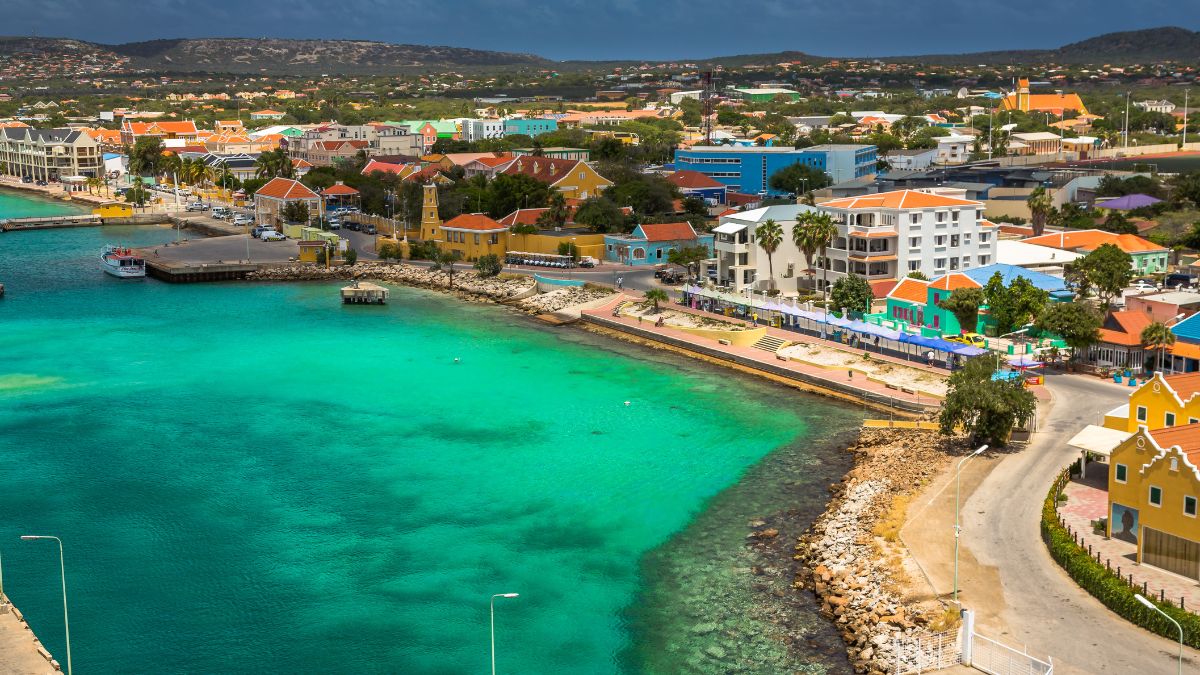
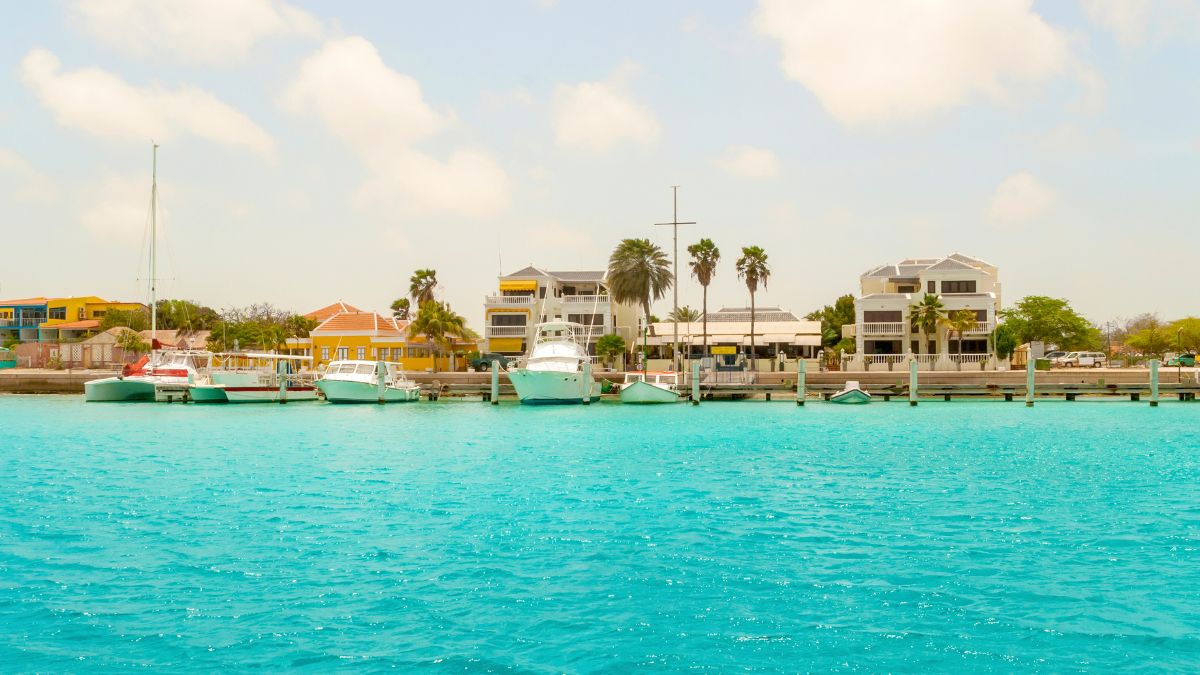
Kralendijk is Bonaire's main town and the center of much of the island's visitor infrastructure.
Restaurants, shops, accommodation, dive businesses and boat departures are concentrated in and around the area.
Visitors commonly walk around central Kralendijk, including in the evening.
That doesn't mean you should abandon normal city precautions.
At night:
- stay aware of your surroundings
- avoid displaying unnecessary cash
- keep phones and bags secure
- use sensible transportation if you're staying farther away
- follow advice from your accommodation about specific areas
If you're staying around central Kralendijk, you'll generally have much more activity around you than at Bonaire's remote coastal locations.
Is Bonaire safe for solo travelers?
Bonaire can work well for solo travelers because the island is relatively compact and tourism infrastructure is established.
But traveling alone changes how you should approach some activities.
The biggest distinction is between being alone in Kralendijk and being alone at a remote snorkeling, diving or nature location.
If you're traveling solo:
- tell someone where you're going before a remote drive
- keep your phone charged
- carry water
- avoid leaving valuables unattended
- don't enter unfamiliar water conditions simply because other people aren't around
- use guided activities when being alone creates unnecessary risk
Solo scuba divers should follow appropriate diving standards and local operator guidance rather than treating Bonaire's easy shore access as permission to ignore normal buddy and safety procedures.
Is Bonaire safe for solo female travelers?
The same basic travel precautions apply to solo female visitors as elsewhere, but Bonaire's geography creates an additional consideration:
many attractions are away from busy tourist areas.
A snorkeling site that feels peaceful during the day can also mean few people are nearby.
Solo travelers may therefore prefer to:
- explore unfamiliar remote locations during daylight
- avoid leaving drinks or belongings unattended
- let accommodation staff know about longer solo outings
- join a guided tour for activities where being alone feels uncomfortable
- plan the drive back before it becomes completely dark
Current traveler experiences can also be useful, but official travel advice should remain your reference for current safety information.
Is Bonaire safe for families?
Bonaire can work well for families, particularly those who enjoy snorkeling, nature and independent exploring.
For children, the biggest practical issues are often environmental rather than crime-related.
Pay particular attention to:
- sun protection
- hydration
- swimming ability
- rocky shore entries
- sea conditions
- long driving days
- age restrictions on activities
Not every famous dive site is automatically a good snorkeling location for young children.
Choose swimming and snorkeling locations according to conditions and your child's ability.
Sun and heat in Bonaire
Bonaire's Caribbean sun deserves more attention than many visitors give it.
Trade winds can make the temperature feel comfortable even while you're receiving significant sun exposure.
This is particularly relevant when snorkeling or diving because you can spend hours outdoors without noticing how much sun you've had.
Protect yourself from the sun
Bring:
- high-SPF sunscreen appropriate for your needs
- a hat
- sunglasses
- protective clothing or a rash guard
- plenty of drinking water
Reapply sunscreen according to the product instructions, particularly after swimming.
Don't wait until you feel thirsty to think about hydration on long outdoor days.
This becomes especially important in Washington Slagbaai, where you can spend hours away from Kralendijk.
Is Bonaire tap water safe to drink?
Bonaire has desalinated drinking water.
If you have any concern about water quality at your specific accommodation, ask the property directly or check current local guidance.
A reusable bottle is useful because you'll want water with you while driving, snorkeling and exploring.
Diving safety in Bonaire
Bonaire's easy shore access is one of the reasons divers love the island.
It can also create a false sense that every dive is simple.
Conditions, entries and difficulty vary.
Before diving:
- check conditions
- understand the entry and exit
- know your certification limits
- inspect unfamiliar shore entries before gearing up
- follow appropriate buddy procedures
- ask local dive operators about unfamiliar sites
- confirm emergency procedures
- make sure your insurance actually covers the diving you're doing
Rocky shore entries deserve particular attention.
Good footwear and taking your time can prevent an unnecessary injury before you've even started the dive.
Do you need dive insurance in Bonaire?
If scuba diving is a major part of your trip, review your insurance carefully.
Don't assume standard travel insurance automatically covers:
- scuba diving
- your intended depth
- hyperbaric treatment
- diving accidents
- medical evacuation
Specialist dive coverage such as that offered by Divers Alert Network (DAN) is one option divers can compare with their existing travel and medical insurance.
The important part is understanding what you're actually covered for before you enter the water.
Snorkeling safety in Bonaire
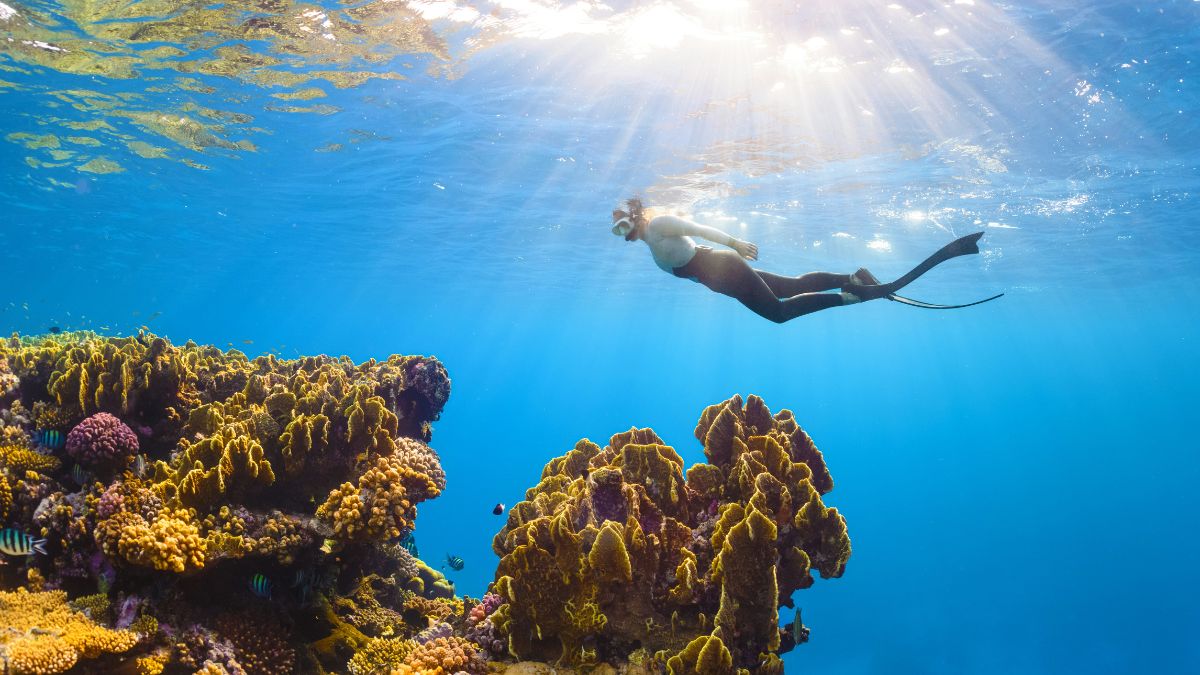
Bonaire is excellent for shore snorkeling, but conditions aren't identical around the entire island.
The western coast contains many popular snorkeling locations, while other areas can be more exposed.
Before entering:
- look at current conditions
- understand where you'll exit
- don't underestimate current or swell
- wear appropriate footwear where entries are rocky
- don't snorkel beyond your ability
- avoid touching coral or marine life
If you're unsure about a site, ask a local dive or snorkeling operator.
A guided trip can also be worthwhile for your first day.
Is Klein Bonaire safe?
Klein Bonaire is commonly visited by boat for beach time and snorkeling.
The same water-safety principles apply there.
Pay attention to:
- currents
- boat instructions
- designated pickup arrangements
- sun exposure
- hydration
- snorkeling ability
Because Klein Bonaire is undeveloped, don't expect the same facilities you would have around Kralendijk.
Bring what you need for your time there.
Driving safety in Bonaire
Having your own vehicle makes Bonaire considerably easier to explore.
Road conditions vary.
Central and main roads are different from the rougher roads you'll encounter in more remote areas.
Driving deserves extra attention after dark because:
- lighting can be limited
- animals may be on the road
- unfamiliar roads are harder to read
- cyclists and other road users may be less visible
Slow down rather than driving according to the speed you would expect on a well-lit European or American road.
Animals on Bonaire's roads
Donkeys and goats are part of Bonaire's landscape and can appear near or on roads.
Be especially cautious outside built-up areas and after dark.
Don't assume an empty road will stay empty simply because traffic is light.
Is Washington Slagbaai safe to drive?
Washington Slagbaai National Park is a very different driving experience from central Kralendijk.
Roads inside the park can be rough and conditions can change.
Before visiting:
- check current park information
- confirm your rental vehicle is permitted
- bring sufficient water
- bring food
- start with enough fuel
- allow plenty of time
- don't depend on having normal services nearby
Don't choose your vehicle based solely on what an old blog says. Check the park's current access rules and your rental company's conditions.
Medical care in Bonaire
Bonaire's main hospital is Fundashon Mariadal in Kralendijk.
Medical services are available on the island for emergencies and other treatment.
However, serious or complex medical situations may require additional specialist care or transfer elsewhere.
That's one reason travelers should check what their health or travel insurance covers outside their home country.
Medical evacuation
Medical evacuation can become important when specialist treatment isn't available locally.
Before your trip, check whether your insurance includes:
- emergency treatment abroad
- medical evacuation
- repatriation
- diving-related emergencies if applicable
Don't assume domestic medical insurance automatically covers treatment or transport in Bonaire.
Emergency numbers in Bonaire
| Service | Number |
|---|---|
| Emergency services | 911 |
| GP post / after-hours care | +599 717-0111 |
| Fundashon Mariadal | +599 715-8900 |
| Police non-emergency | +599 717-8000 |
Save important numbers before your trip rather than searching for them during an emergency.
Bonaire travel advisory
For current safety information, check your government's official travel advice before departure.
This is particularly important if you're searching:
“Is it safe to travel to Bonaire right now?”
Government advisories can reflect developments that a static travel guide cannot.
Check again shortly before departure if your trip was booked months in advance.
Bonaire safety checklist
Before leaving for Bonaire:
- check current official travel advice
- confirm your health/travel insurance
- verify diving coverage if applicable
- save emergency numbers
- bring adequate sun protection
- carry water on driving days
- don't leave valuables in rental vehicles
- check sea conditions before unfamiliar shore entries
- understand your rental vehicle restrictions
- download any maps or information you'll need in remote areas
You don't need to be anxious about safety.
You just need to prepare for the type of vacation Bonaire actually is.