1. Go shore diving
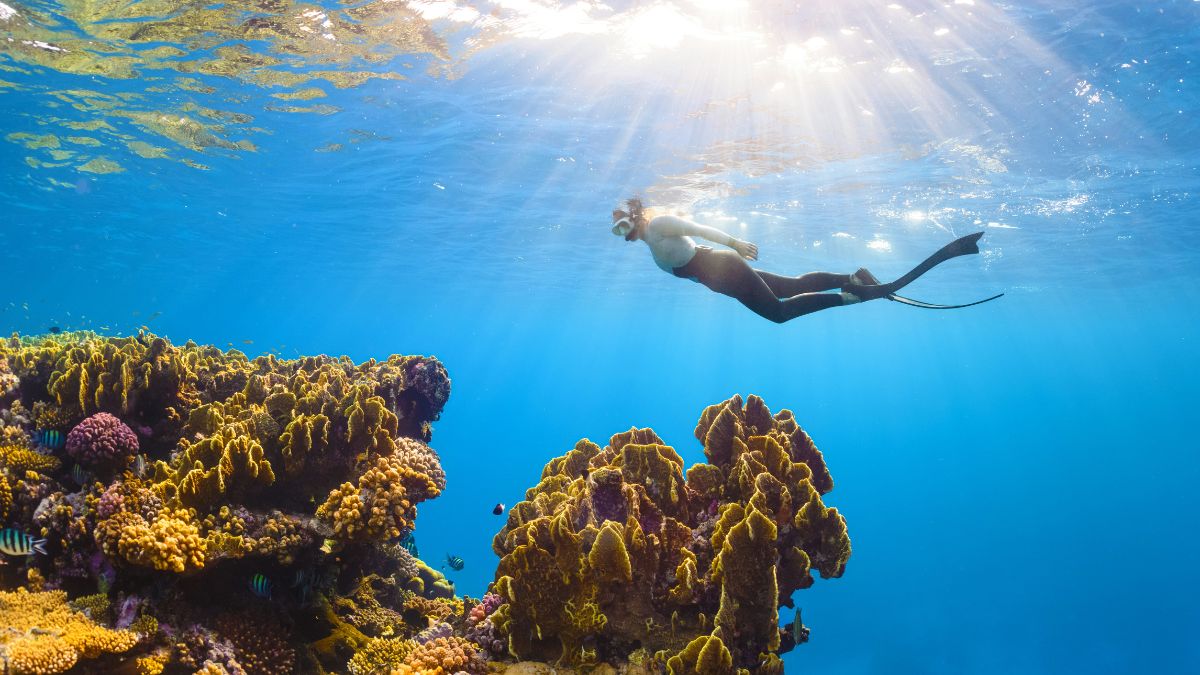
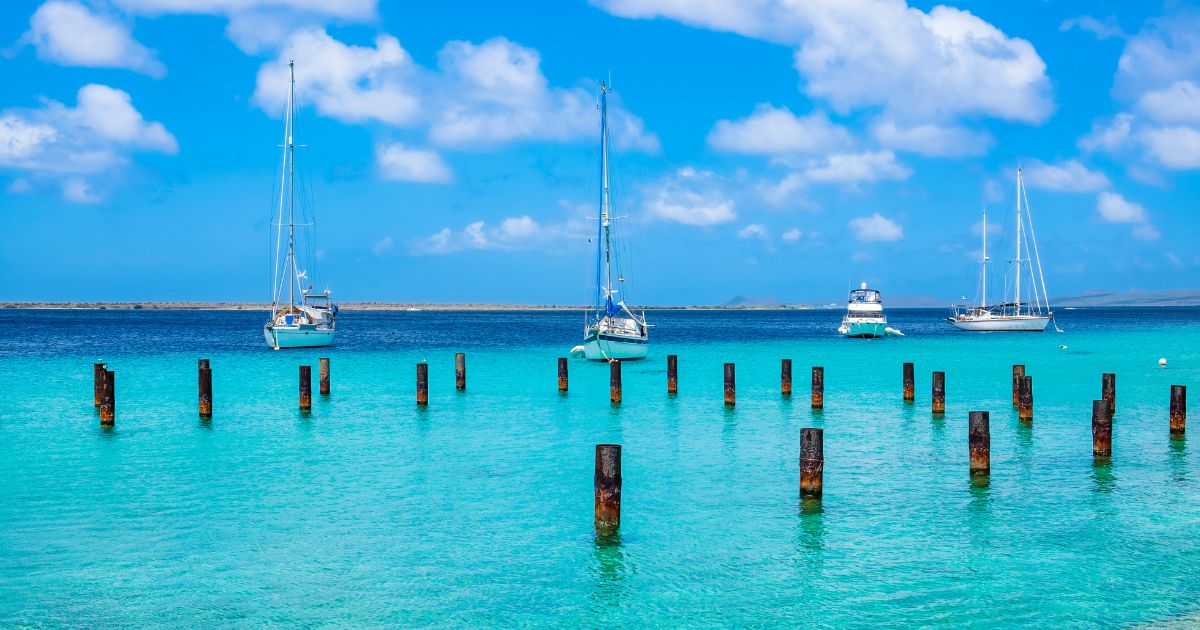
If you scuba dive, this is probably why Bonaire is already on your radar.
Bonaire is particularly known for the freedom of its shore-diving setup. Dive sites are spread along the coast, allowing certified divers to drive between locations and enter directly from shore rather than depending entirely on scheduled boat trips.
That changes the rhythm of a Bonaire dive vacation.
Instead of building every day around a boat departure, you can choose sites according to conditions, experience and what you feel like doing that day.
If diving is the main purpose of your trip, don't overschedule the rest of Bonaire. Leave room for spontaneous dives and slower surface intervals.
Is Bonaire worth visiting if you don't dive?
Absolutely.
Diving is central to Bonaire's identity, but snorkeling, Klein Bonaire, Washington Slagbaai, salt flats, kayaking, sailing and other land activities can easily fill several days.
Non-divers shouldn't dismiss Bonaire as a scuba-only destination.
2. Snorkel from shore
You don't need scuba certification to experience what makes Bonaire's coastline special.
One of the island's biggest advantages is the ability to snorkel directly from shore.
Rent a car, bring your snorkeling gear and you can build an entire day around different coastal stops.
Some entries are easier than others, so don't choose a site only because it appears on a list of famous dive locations.
Conditions, entry difficulty and your swimming ability matter.
For first-time visitors, our complete snorkeling guide compares where to start and when taking a guided tour makes more sense.
3. Take a boat to Klein Bonaire
Klein Bonaire is the small uninhabited island just off Bonaire's west coast.
It's one of the easiest ways to add a boat day to your trip without committing to a long offshore crossing.
Most visitors come for the clear water, snorkeling and beach.
You can visit through a water taxi or organized snorkeling excursion depending on how much structure you want.
Independent trip
Better if you mainly want beach time and snorkeling at your own pace.
Guided snorkeling trip
Better if you want equipment, guidance, multiple snorkeling stops or a more organized experience.
Klein Bonaire is particularly useful for non-divers because it gives you a different water experience from simply driving between shore sites.
4. Drive through Washington Slagbaai National Park
Washington Slagbaai is one of the biggest land experiences on Bonaire.
The park covers a large part of northern Bonaire and combines rugged landscapes, coastline, wildlife, beaches, viewpoints and snorkeling stops.
Don't treat it like a quick attraction.
Give it most or all of a day.
Road conditions are also part of the experience, so check current access information and rental-vehicle requirements before going.
Bring plenty of:
- drinking water
- food
- sun protection
- snorkeling equipment
- suitable footwear
If you only have three days on Bonaire, you'll have to decide whether spending an entire day here is more important than Klein Bonaire or additional water time.
5. See the Bonaire salt flats
Southern Bonaire looks completely different from the north.
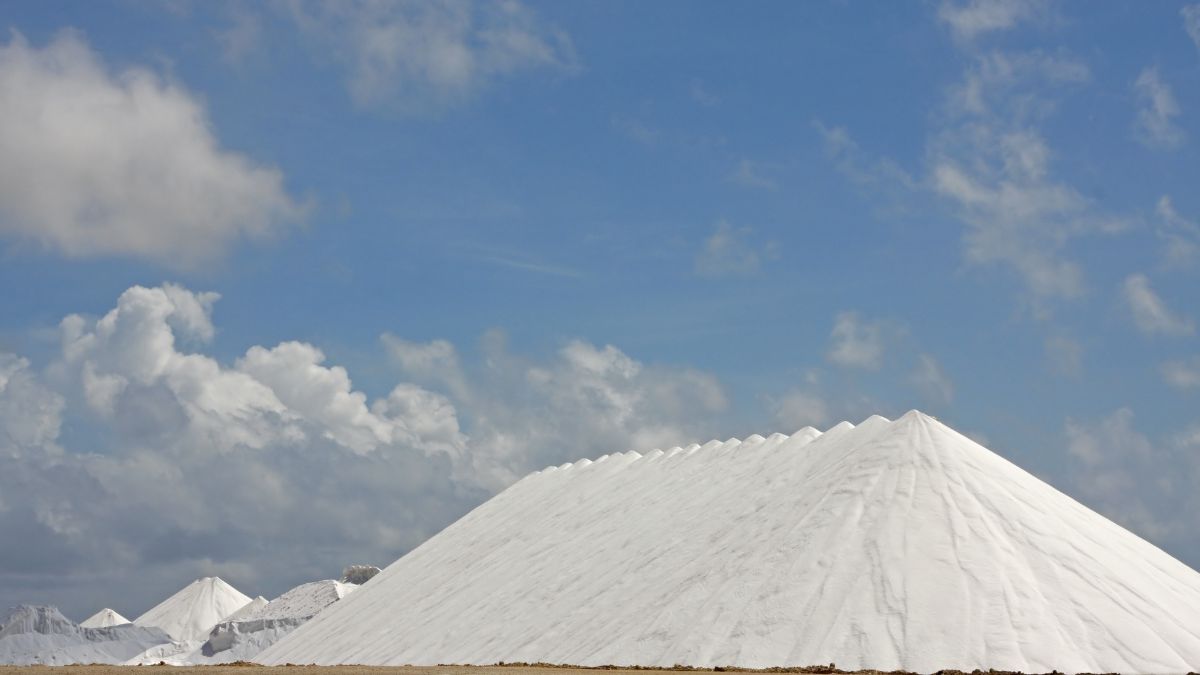
Large salt pans dominate the landscape, with bright white salt pyramids rising alongside them.
It's one of the most recognizable sights on Bonaire and easy to combine with several other southern stops.
You don't need a full day.
The salt flats work best as part of a south Bonaire driving loop rather than driving directly there, taking a photograph and returning to Kralendijk.
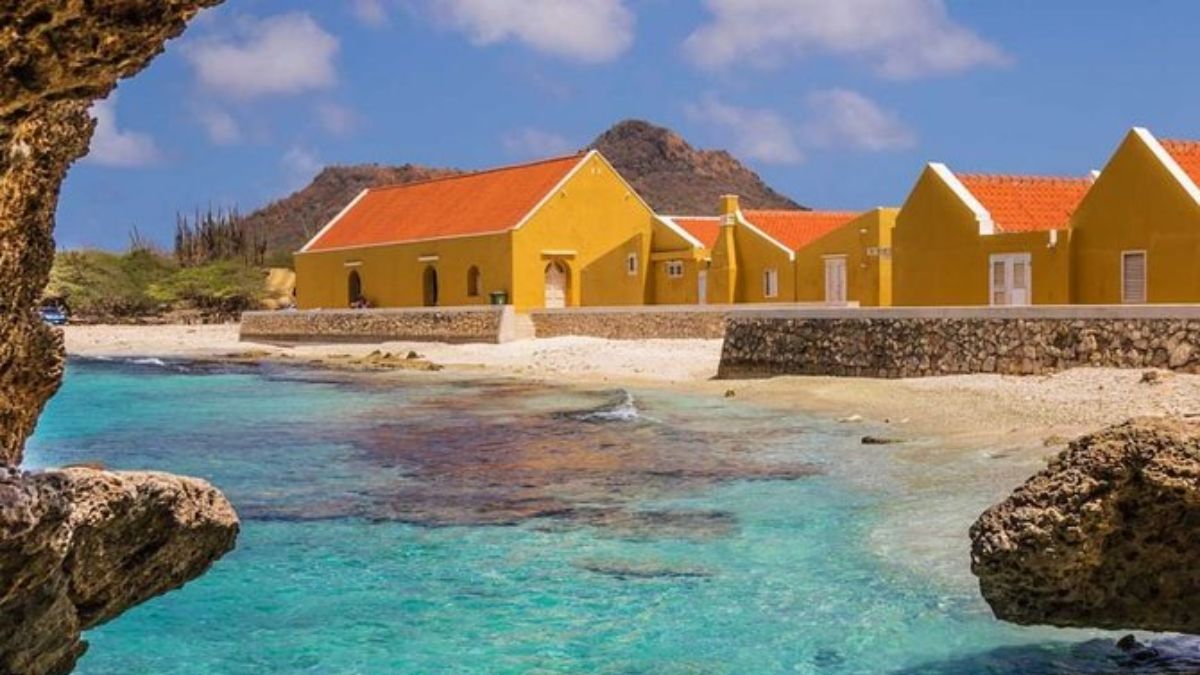
Combine the area with flamingo viewpoints, the historic slave huts and other stops along the southern coast.
6. Look for flamingos
Flamingos are another reason to drive through southern Bonaire.
But approach this differently from visiting a zoo.
They're wild birds, and where you see them and how close they are varies.
Use designated viewpoints, respect restricted areas and don't approach wildlife simply to get a better photograph.
The easiest approach is to combine flamingo spotting with your salt-flats and southern-island drive rather than dedicating an entire day to finding them.
7. Explore Bonaire's south coast
Don't stop your southern road trip after seeing the salt flats.
This part of Bonaire brings together some of the island's most distinctive landscapes and history.
A half-day loop can include:
Kralendijk → southern coast → salt flats → slave huts → lighthouse area → flamingo viewpoints → back toward town
It's one of the easiest independent sightseeing days on Bonaire.
If you're comfortable driving, you don't necessarily need an organized tour.
A guided tour becomes more useful if you want someone to explain the island's history and landscapes rather than simply seeing them.
8. Kayak through the Lac Bay mangroves
Lac Bay offers another side of Bonaire.
Instead of open Caribbean water, you can explore mangrove channels by kayak.
Guided trips let you move through this protected environment while learning about the ecosystem rather than simply paddling around independently.
This is a good activity for travelers who have already spent several days snorkeling or diving and want something water-based without another full day in the sea.
It also works well for mixed groups where not everyone scuba dives.
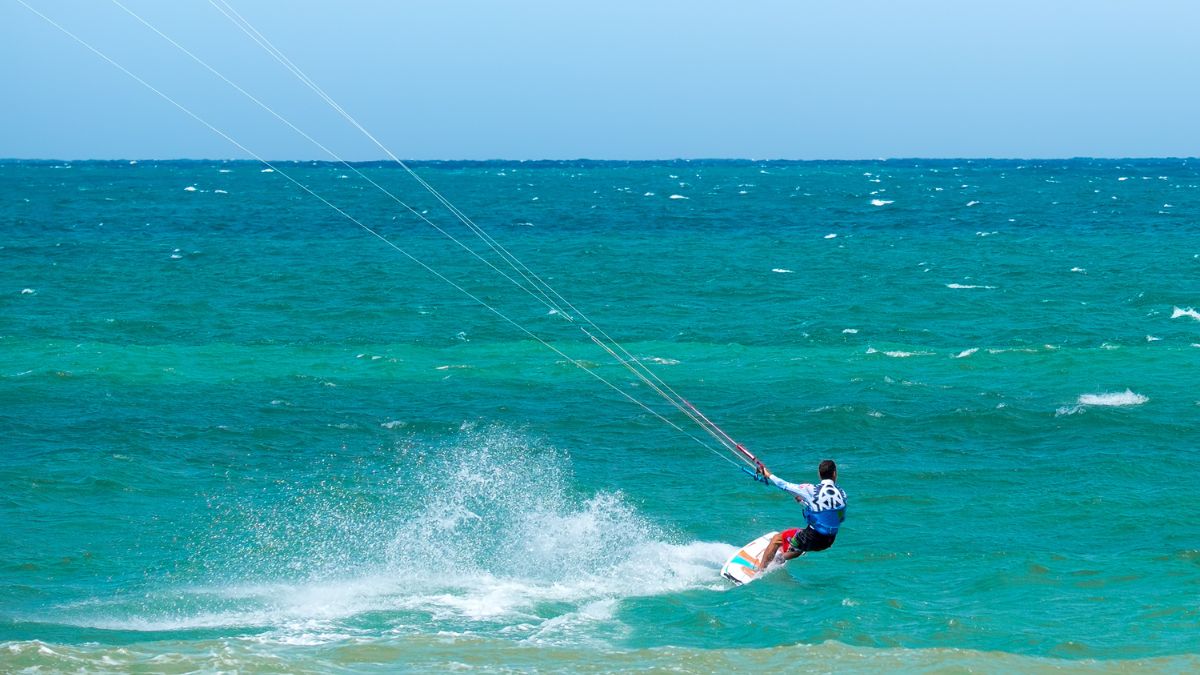
9. Try windsurfing or kitesurfing
Bonaire's wind creates opportunities for activities above the water as well as below it.
Lac Bay and the island's windier coastal areas are associated with windsurfing and kitesurfing.
Beginners should look at lessons rather than simply renting equipment.
More experienced riders can compare rental locations, conditions and access for their travel dates.
If wind sports are one of the main reasons you're visiting Bonaire, build your accommodation and transportation decisions around where you'll actually spend your days.
10. Go landsailing
Want a break from snorkeling and diving?
Landsailing is one of Bonaire's more unusual land activities.
Small wind-powered carts use Bonaire's trade winds to move around a dedicated track.
No diving, swimming or boat is involved, making it particularly useful for groups where some people want an active experience away from the water.
It's also relatively easy to fit around another activity because it doesn't consume an entire day.
11. Take an island tour
You don't necessarily need a guided island tour if you have a rental car.
But tours make sense for a different reason:
context.
Driving past salt pans, historic sites, neighborhoods and landscapes isn't the same as understanding what you're looking at.
A guided island tour can therefore be useful near the beginning of a first Bonaire trip.
You'll understand the island's geography and can then return independently to places that interest you.
For cruise passengers or travelers without a rental car, a tour becomes even more practical.
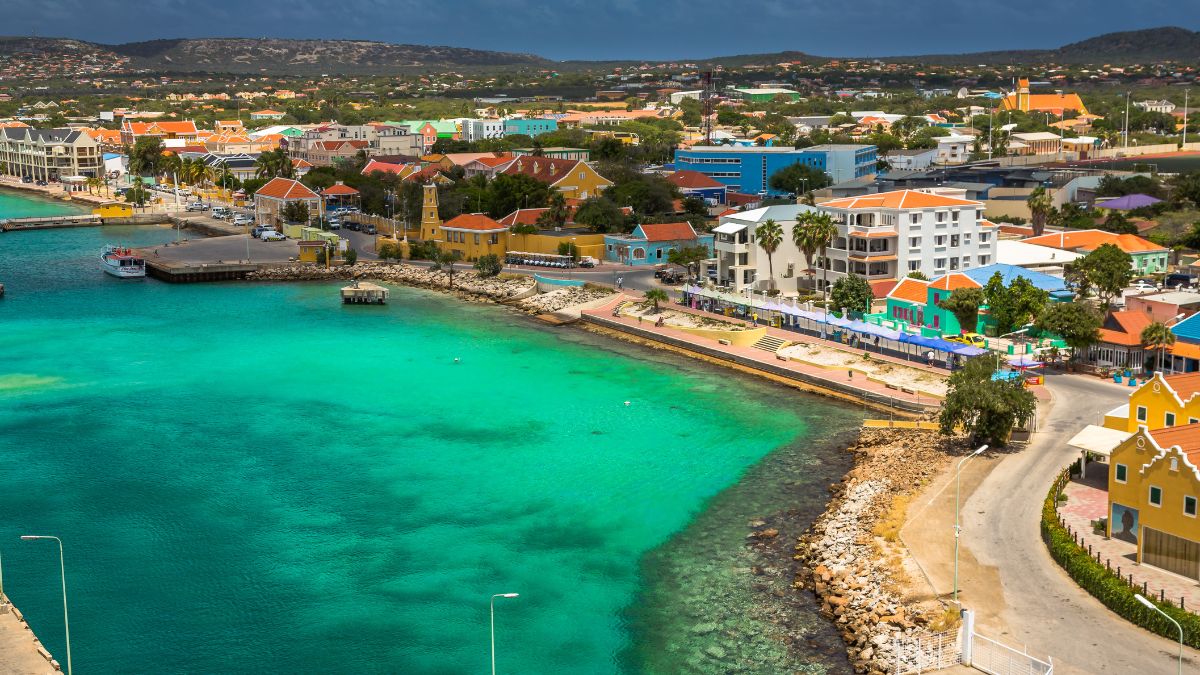
12. Spend time in Kralendijk
Don't spend the entire vacation driving past Kralendijk on the way to another snorkeling site.
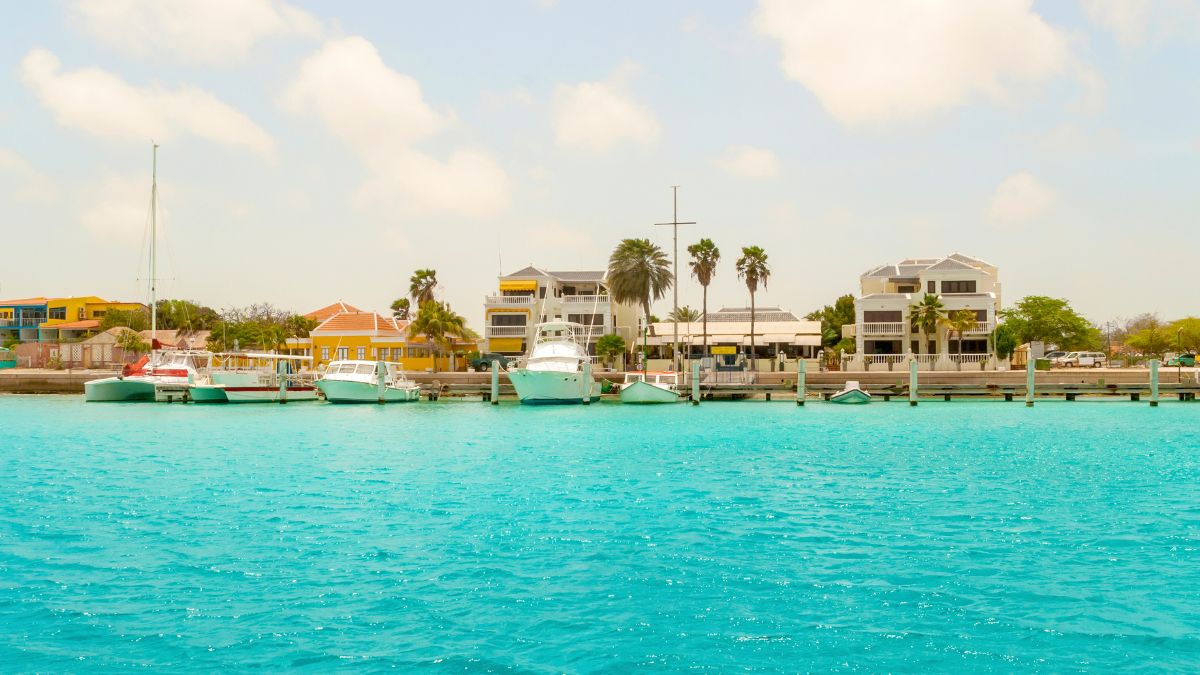
Bonaire's main town is worth some time of its own.
Walk around the waterfront, stop for lunch or dinner and use it as a slower break between more active days.
Kralendijk is also the practical center for many:
- restaurants
- shops
- boat departures
- dive operators
- accommodation
- evening activities
You don't need to dedicate an entire day to it.
A few hours combined with dinner works well.
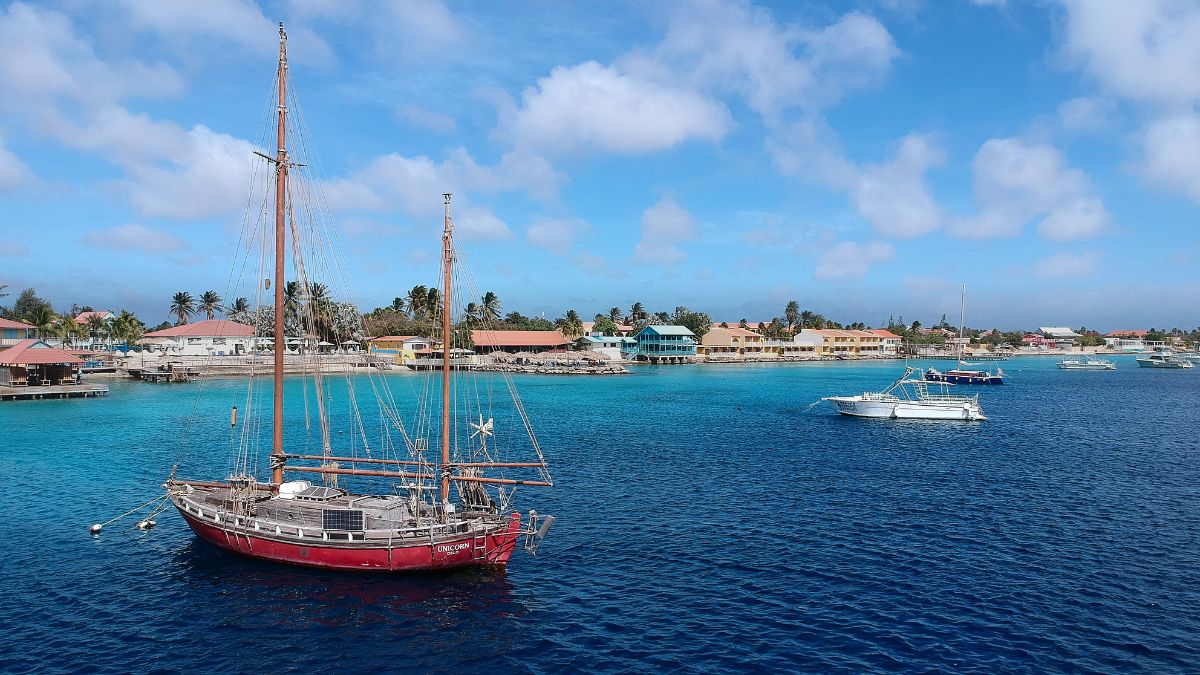
13. Take a sunset sail
After several days of driving, diving and snorkeling, a sunset sail offers a very different pace.
Trips vary from straightforward sailing excursions to longer experiences with snorkeling, drinks or dinner.
This is one activity where paying for an organized experience makes more sense than trying to reproduce it independently.
Sunset sailing is particularly worth considering for:
- couples
- anniversaries
- honeymoons
- a final evening
- travelers wanting one slower premium activity
14. Explore Bonaire's caves
Bonaire's landscape isn't only interesting above ground.
The island also has limestone cave systems, including dry caves and locations involving water.
This is one activity where I would strongly favor going with an appropriate guide rather than trying to explore independently.
Cave tours can involve uneven terrain, confined spaces and swimming or snorkeling depending on the experience.
They're therefore not suitable for everyone.
But for active travelers looking for something completely different from another beach or snorkeling day, they add useful variety.
15. Try something different: fishing or sea glass
Once you've covered Bonaire's major highlights, there are several more specialized activities worth considering.
Sea glass
Guided beachcombing experiences focus on finding and understanding sea glass around Bonaire's coastline.
This suits travelers interested in local history, beachcombing or simply doing something very different from the standard dive-and-snorkel itinerary.
Check the Bonaire sea glass tour on Viator
Fishing
Private fishing charters offer another way to spend time offshore.
This is obviously much more specialized than Klein Bonaire or snorkeling, but for anglers it can become one of the main activities of the trip.
Half-day and longer charters are available depending on how much time you want to spend on the water.