Washington Slagbaai National Park covers the entire northern third of Bonaire and feels completely different from the hotel strip in Kralendijk. The landscape is dry forest and cactus scrub dropping toward rocky coastline, hidden bays and some of the clearest shallow water on the island. The roads inside the park are unpaved dirt tracks — a high clearance vehicle or a guided 4x4 tour is necessary for most of the route.
Most visitors who skip the park regret it. Most visitors who go come back saying it was the best day of their trip.

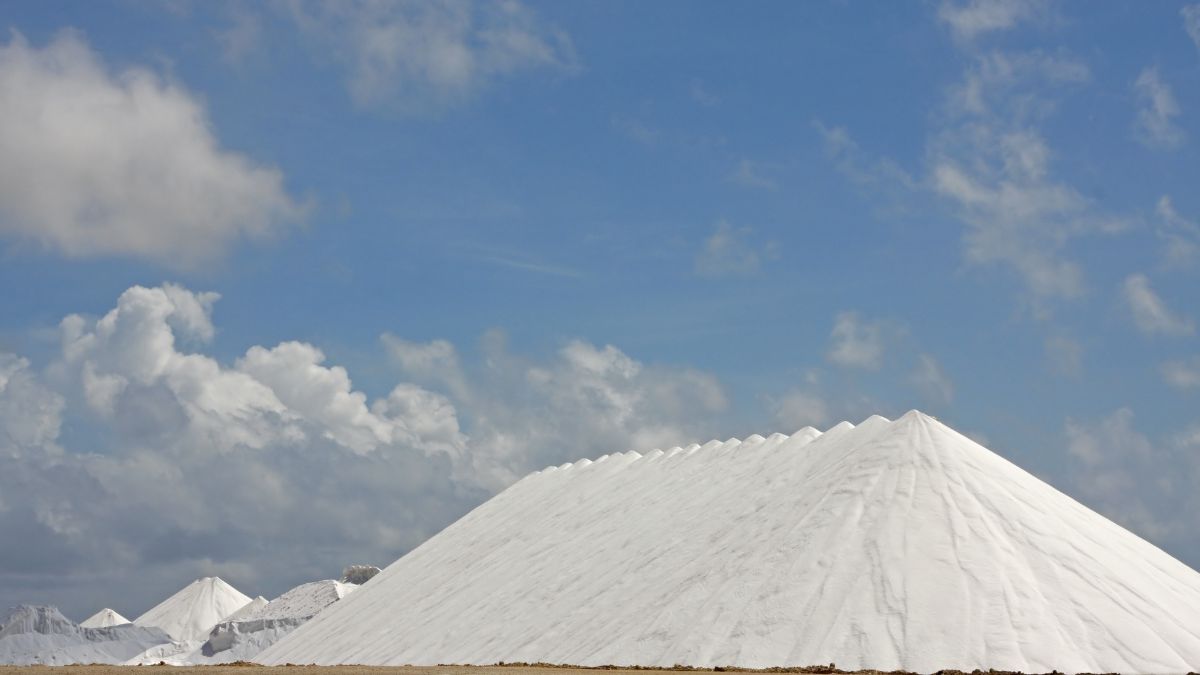
Washington Slagbaai National Park was created from two former plantations — Washington and Slagbaai — that were merged and donated to STINAPA, the Netherlands Antilles National Parks Foundation, in 1969. It was the first nature sanctuary established in the former Netherlands Antilles. The park covers approximately 5,643 hectares of the northern section of Bonaire and protects dry tropical forest, cactus scrub, salt lakes, rocky coastline and several sheltered bays.
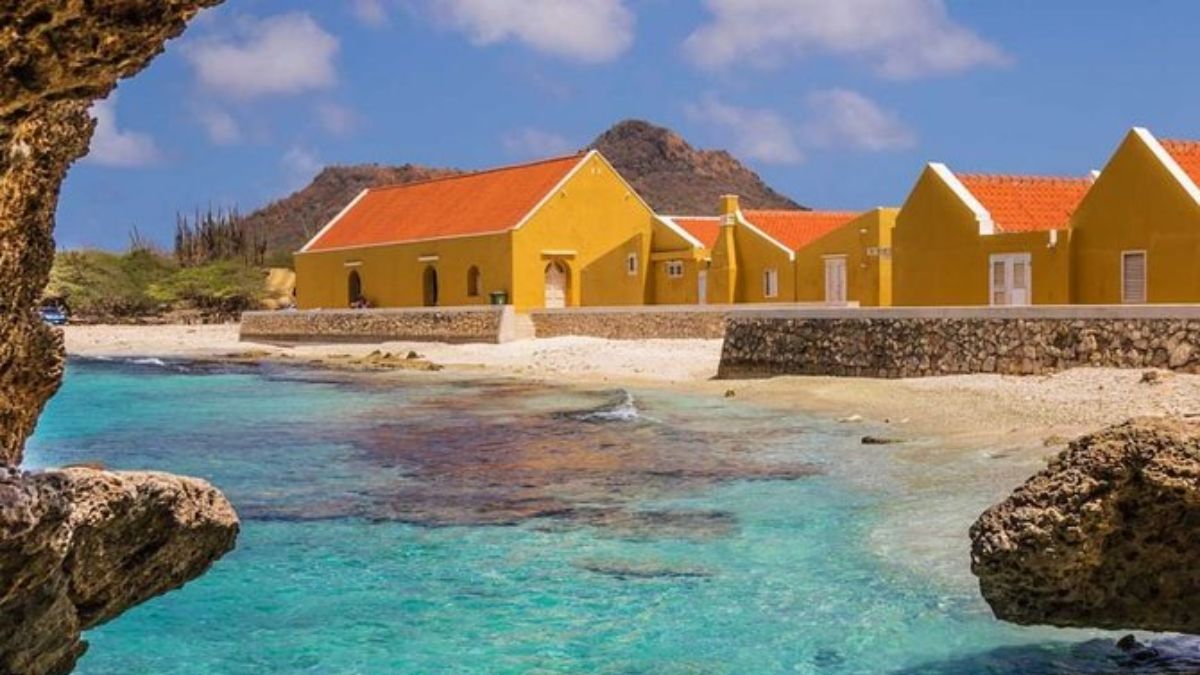
The plantation history is still visible in the landscape. Boca Slagbaai — the most visited stop in the park — has preserved yellow colonial buildings above a sheltered white sand cove. These were the former plantation headquarters and loading point for salt, divi-divi pods and charcoal that were exported from the north.
The park is home to iguanas, donkeys, goats and a range of bird species. The salt lakes inside the park attract wading birds. Beaches within the park boundary are documented sea turtle nesting sites — green and loggerhead turtles nest here between April and October.
Yes — for the full internal park route. The unpaved tracks inside Washington Slagbaai range from passable gravel to rough rocky sections that require ground clearance. A standard rental car will bottom out on sections of the route. The park entrance road is paved but the internal tracks are not.
Options:
If you are not comfortable driving unpaved tracks in an unfamiliar vehicle the guided tour is the better option.
Full-day and half-day tours vary by operator, but these are the signature stops most itineraries aim to include.
The entrance point and orientation stop. The museum covers the park's natural and cultural history — how the plantation system worked, how the reserve was established and what species the park protects. Worth 20-30 minutes before heading onto the tracks. Note: museum admission may be separate from tour prices — confirm with your operator or at the gate.
The highest accessible viewpoint in the park — a wide terrace overlooking layered ridges and the open Caribbean. A blowhole nearby is active when swell is running. The view explains the park's scale better than any photograph. Allow 15-20 minutes here.
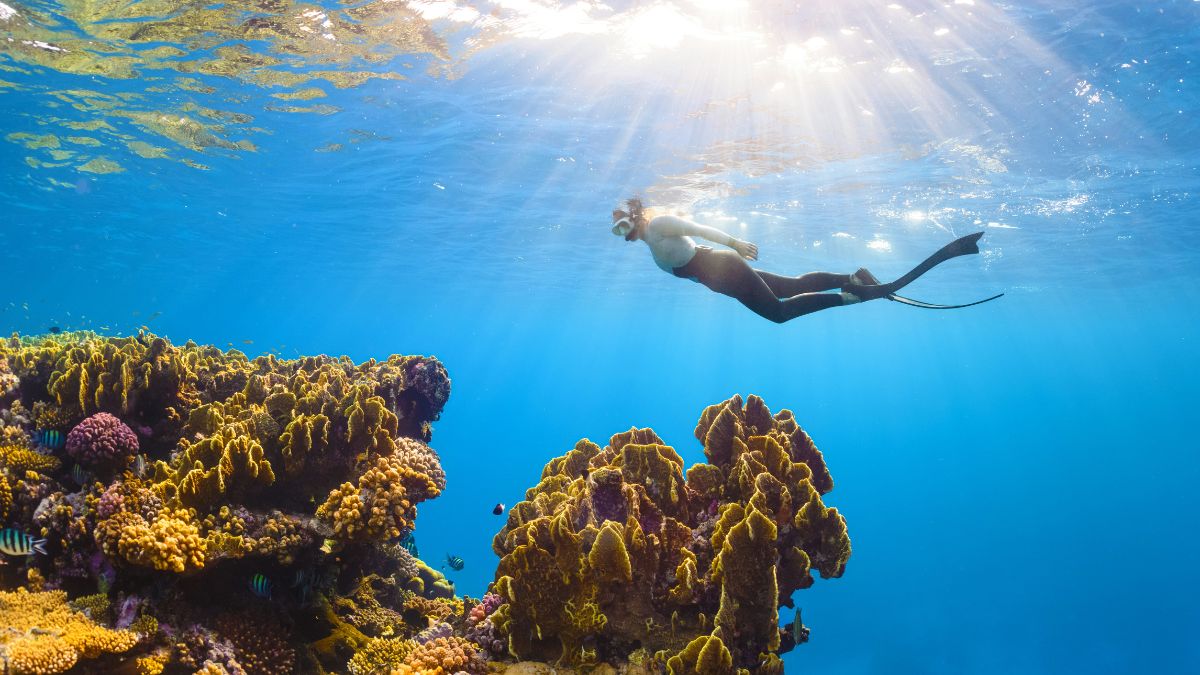
A calm sheltered bay inside the park boundary used for snorkeling and swimming. The water is clear and the reef is healthy — different character from the west coast house reefs near Kralendijk. Most full-day tours include a 30-45 minute snorkel stop here. Conditions vary — your guide will advise on the day.
The postcard stop of Washington Slagbaai. Historic yellow plantation buildings above a sheltered turquoise cove with white coral rubble and sand. Most tours use this as the lunch stop — the setting makes even a simple packed lunch feel like an event. The bay itself is calm and clear for swimming. Allow 45-60 minutes here.
A landlocked salt lake in the park used by wading birds. Worth a short stop for birdwatching. The lake's salinity levels fluctuate seasonally which affects which species are present on any given day.
Early morning between 7-9am gives the best light on the dry forest ridges and colonial buildings. Midday creates harsh shadows and washes out the pale limestone and white sand. If your tour starts late morning plan to use shade and exposure compensation for the middle hours.
The yellow buildings against arid hills and blue sky is the definitive park photograph. Shoot from below the buildings looking up to include the cove and the hills behind. Wide shots convey the scale better than tight crops.
Iguanas, donkeys and goats are frequently roadside. Photograph from inside the vehicle or from a respectful distance on foot. Do not feed animals — it creates dangerous road situations and disrupts natural behavior. Sudden movements startle them onto the track.
At Seru Grandi the blowhole produces spray when swell is running. Keep a secure grip on your camera and stay well back from the edge — the rock is slippery and cliff edges are not fenced.
Washington Slagbaai is an active nature reserve. The rules exist to protect the ecosystem not to inconvenience visitors.
Full-day 4x4 with Adventure Makers for maximum time on internal tracks and the classic stop sequence — or a half-day with Shekhinah Tours for a more conversational, history-forward day with flexible snorkeling. Both include pickup where the listing specifies it.

Supplied by Adventure Makers Bonaire
From $97 per person
Full day inside Washington Slagbaai on unpaved 4x4 tracks with a professional guide. The route covers the visitor center and museum, Seru Grandi viewpoint and blowhole, Wayaka II snorkeling and Boca Slagbaai for lunch. Wildlife viewing and short hikes are woven through the day. Snacks, lunch, snorkeling equipment and round trip hotel transport included. Small group format.
What to expect: Visitor center and museum orientation, Seru Grandi viewpoint approximately 15 minutes, Wayaka snorkeling approximately 45 minutes, Boca Slagbaai lunch and swimming approximately 45 minutes. Exact order and timing varies with conditions and group pace. Museum admission may not be included in the ticket — confirm with the operator.

Supplied by Shekhinah Tours
From $136 per person
Half-day guided tour of Washington Slagbaai with a local guide — hidden coves, secluded beaches, salt lakes and watering holes. The guide covers the park's Caiquetio Indian history, the plantation era and current conservation work. Flexible snorkel stops within the route. Lunch included — locally made chicken salad with bread, vegetarian and vegan option available. Water and soft drinks throughout. Air-conditioned vehicle with working seatbelts. Hotel and cruise port pickup included.
What to expect: Approximately five hours inside the park centered on the visitor center area. Snorkel stops are flexible within the route. Better option if you want a more conversational guided experience with historical depth rather than maximum time on unpaved tracks.
The northern third of Bonaire, accessible by road from Kralendijk. The park gate is approximately 20-25 minutes drive north of town. Guided tours include hotel pickup and transport.
For the full internal route yes — unpaved tracks require ground clearance. The shorter route to Boca Slagbaai is partially accessible in a regular car but confirm current road conditions before attempting it. Most visitors either rent a pickup truck or join a guided 4x4 tour.
A full day is appropriate for seeing the main stops — museum, Seru Grandi, Wayaka II, Boca Slagbaai and the internal tracks between them add up to a full day. Half-day tours exist but cover less ground. Budget at least 6 hours for a satisfying visit.
Reef safe sunscreen, a hat, sturdy shoes for short walks on rocky terrain, swimwear, a towel, a large insulated water bottle, dry bag for electronics and snacks. Tours that include snorkeling typically provide equipment but bring your own mask if you have one for better fit.
Yes — Wayaka II is the main snorkel stop on most itineraries. Conditions vary by day. Your guide will advise on whether conditions are suitable when you arrive.
Both tours featured above include hotel or cruise port pickup where the listing specifies it. Confirm pickup point and timing directly with the operator when booking especially for cruise ship visits with time constraints.
Yes — with appropriate preparation. Bring sun protection, extra water and plan around the heat. Short walks between vehicle stops are manageable for most children. The wildlife — iguanas, donkeys, birds — makes the park engaging for kids who would struggle with a pure hiking day.
Continue planning your Bonaire trip with destination-specific guides on insurance, comparisons, packing, and practical travel essentials.

Medical, evacuation, and activity coverage explained for Bonaire travelers.
Read full guide
What to bring for shore diving, snorkeling, dry heat, and island driving days.
Read full guide
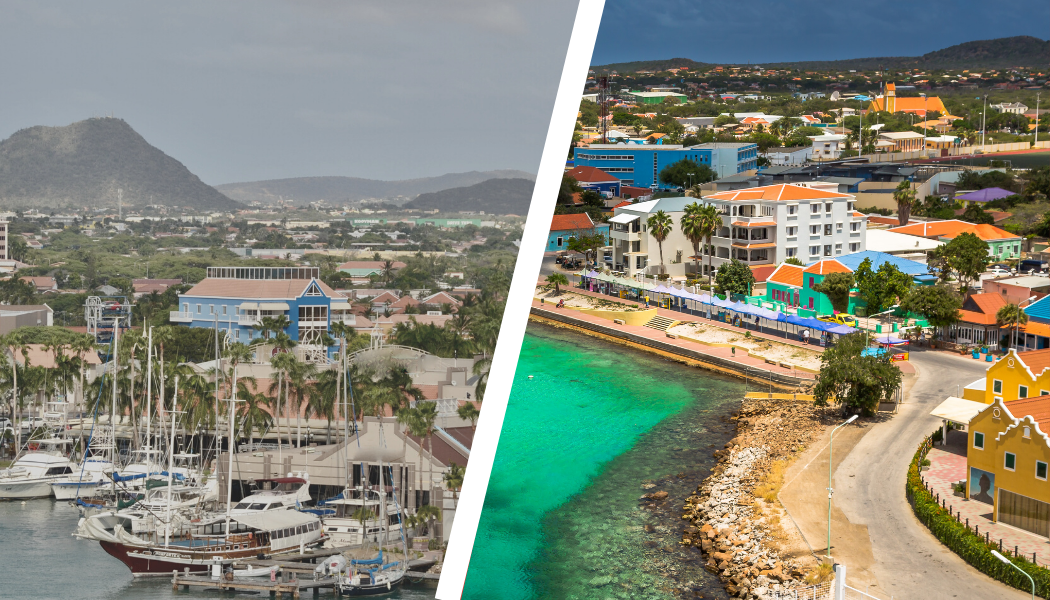
Compare beaches, diving, nightlife, costs, and traveler fit side by side.
Read full guide
Safety context, practical precautions, and what risks matter most.
Read full guide

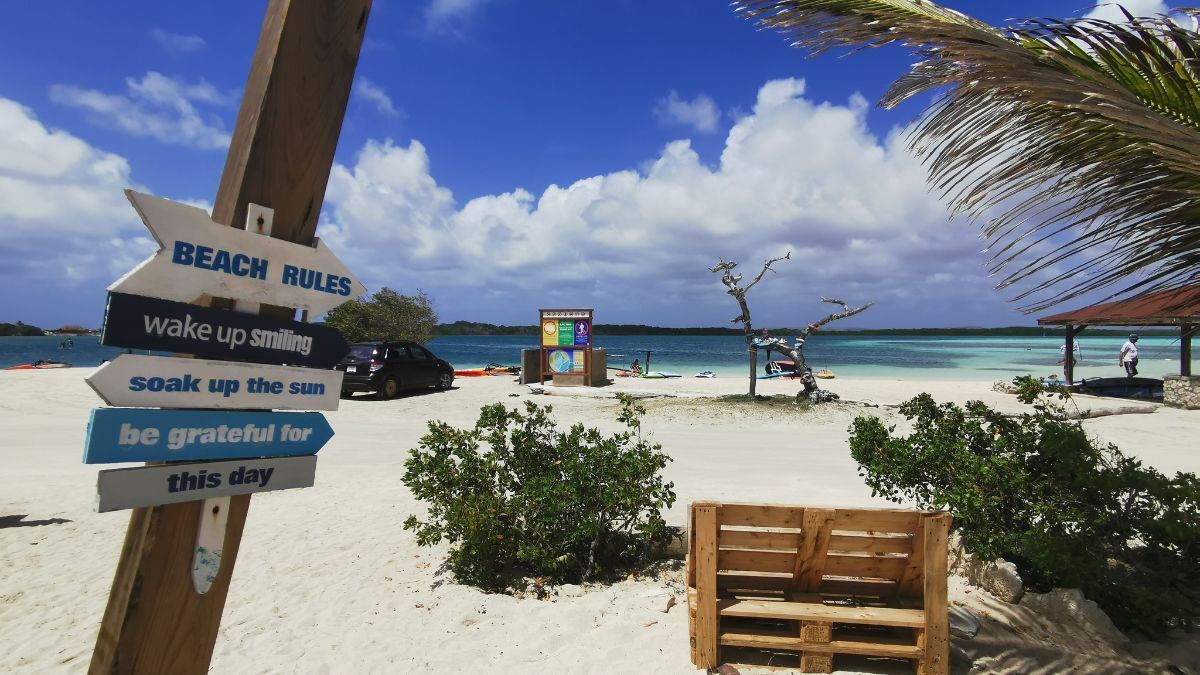
Top shore-snorkeling spots with practical entry and safety tips.
Read full guideExplore our complete collection of expert travel guides to help you plan the perfect Aruba vacation.