First visit
Aruba Travel Guide 2026: Everything First-Time Visitors Need to Know
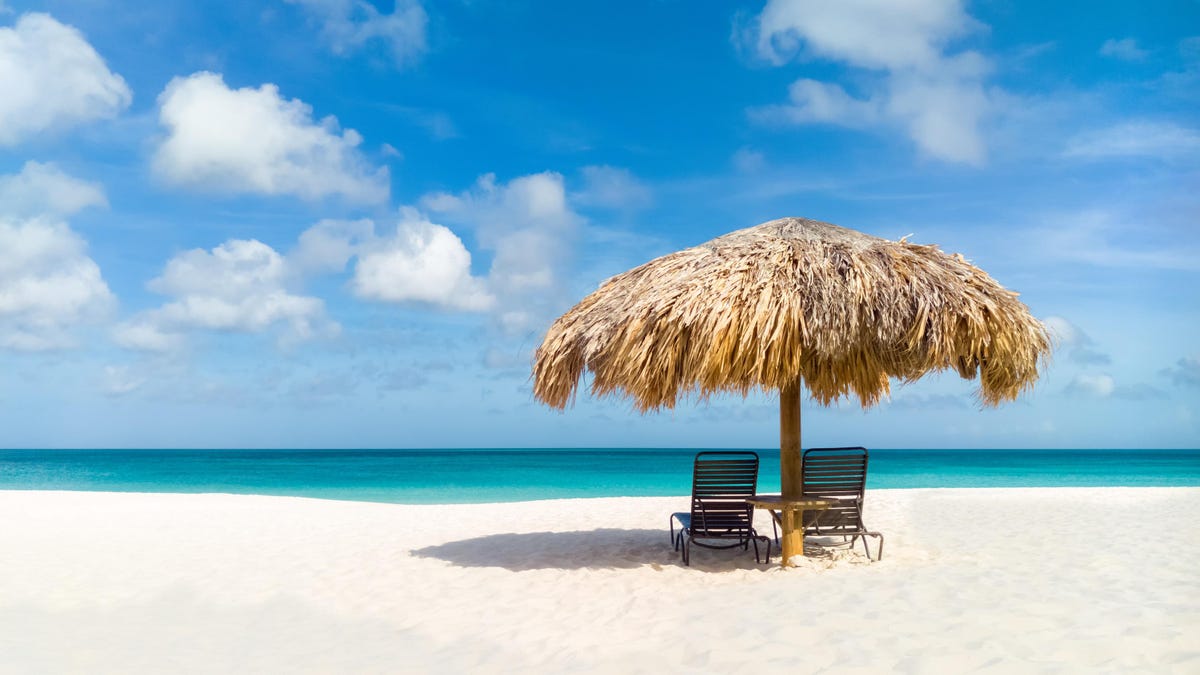
Planning your first trip to Aruba? You're in the right place.
Aruba is famous for its white-sand beaches, turquoise water, warm weather and relaxed Caribbean atmosphere. But before booking your vacation, there are a few things worth knowing—from entry requirements and transportation to the best areas to stay, local customs and how much money to bring.
As an independent Aruba travel guide with local island knowledge, ArubaBuddies helps visitors explore beyond the resorts, discover memorable experiences and avoid common travel mistakes.
Whether you're planning a honeymoon, family vacation, couples getaway or your first Caribbean adventure, this Aruba travel guide covers everything you need to plan your trip.
In this guide:
- 15 essential Aruba travel tips for first-time visitors
- Entry requirements and the Aruba ED Card
- Best time to visit Aruba
- Where to stay: Palm Beach, Eagle Beach and beyond
- Airport transfers, taxis, buses and rental cars
- Beaches, snorkeling, island tours and sunset cruises
- Food prices, spending money and vacation budgets
- A sample five-day Aruba itinerary
- Frequently asked questions before traveling
ArubaBuddies is an independent Aruba travel guide. We may earn a commission from bookings made through our links, at no additional cost to you.
Aruba Travel Guide: Quick Facts
| Question | What to know |
|---|---|
| Where is Aruba? | Southern Caribbean, near the coast of Venezuela |
| Capital | Oranjestad |
| Official languages | Papiamento and Dutch |
| Other widely spoken languages | English and Spanish |
| Currency | Aruban florin (AWG); US dollars widely accepted |
| Weather | Warm throughout the year |
| Hurricane risk | Outside the main hurricane belt; direct strikes are uncommon |
| Electrical outlets | Mostly US-style Type A and B, 120V |
| Drinking water | Tap water is generally safe to drink |
| Main airport | Queen Beatrix International Airport (AUA) |
| Famous beaches | Eagle Beach, Palm Beach, Arashi Beach and Baby Beach |
| Ideal first visit | Approximately 5–7 days, although shorter trips work |
First-time visitor tip: If you're staying near Palm Beach or Eagle Beach, you don't necessarily need a rental car for your entire vacation. Many popular tours offer hotel pickup, and the main resort areas have restaurants and beaches within easy reach.
15 Essential Aruba Travel Tips for First-Time Visitors
1. Complete Your Aruba ED Card Before Traveling
Most visitors must complete Aruba's online Embarkation/Disembarkation (ED) Card before arrival.
Use the official website: edcardaruba.aw
Aruba also has a sustainability fee that applies to many arriving visitors, with exemptions for certain traveler categories.
The standard fee has been $20, but always verify the current amount and exemptions on the official website.
Avoid third-party websites charging unnecessary processing fees. Read the Aruba ED Card Guide.
2. Choose the Right Area to Stay
Palm Beach and Eagle Beach are popular choices for first-time visitors, but they offer different experiences.
Palm Beach is lively, with resorts, restaurants, watersports and nightlife.
Eagle Beach is generally quieter, with a broad sandy shoreline and a more relaxed atmosphere.
If you want to experience local neighborhoods, consider Noord, Oranjestad or Savaneta. The main areas are compared later in this guide.
3. Don't Assume You Need a Rental Car Every Day
Aruba is a relatively small island, but the best transportation option depends on your plans.
For a resort-focused vacation, taxis, buses and organized excursions may be sufficient.
If you want to explore Baby Beach, San Nicolas and remote viewpoints independently, renting a car for part of your trip can be useful. A standard rental car is not appropriate for every off-road route. Always check rental restrictions and access requirements.
4. Visit More Than One Beach
Eagle Beach and Palm Beach are excellent starting points, but Aruba has many beautiful coastal locations.
Consider Arashi Beach for snorkeling, Baby Beach for its sheltered lagoon and Boca Catalina for clear-water snorkeling when conditions permit. Different beaches offer different experiences, so don't spend your entire trip in one place.
5. Book Your Most Important Excursions Early
Popular snorkeling cruises, sunset sails and guided island adventures can fill up during busy periods.
Choose the experiences that matter most to you, then build the rest of your itinerary around them. For first-time visitors, we particularly recommend a snorkeling cruise and a guided island sightseeing or Jeep tour.
6. Bring Sun Protection
Aruba's trade winds can make hot weather feel deceptively comfortable. Use sunscreen that complies with local environmental requirements, bring a hat and sunglasses, and take breaks from direct sunlight.
7. Drink Aruba's Tap Water
Aruba's drinking water is produced through desalination and is generally safe to drink. A reusable water bottle is useful for beach days, sightseeing and reducing unnecessary plastic waste.
8. Carry Some US Dollars
The official currency is the Aruban florin, but US dollars are widely accepted in tourist areas. Credit cards are also commonly accepted. Keep some cash for smaller purchases and check the exchange rate offered by individual businesses.
9. Explore Local Food
Don't limit yourself to resort restaurants. Try traditional dishes such as keshi yena, fresh fish, pastechi and Dutch-influenced pancakes. Local snack bars and casual restaurants are also worth exploring.
10. Check Restaurant Service Charges
Some restaurants include a service charge on the bill. Review your receipt before adding a gratuity. See the Aruba Tipping Guide.
11. Respect the Ocean
Aruba's western beaches often have calmer conditions than its rugged northern coastline. Strong currents, breaking waves and changing weather can still create hazards. Follow local warnings, stay within your swimming ability and avoid entering unfamiliar water.
12. Don't Confuse Flamingo Beach With a Public Beach
Aruba's famous flamingos are associated with Renaissance Island, which has specific access arrangements. Access is not the same as visiting a public beach, and availability for non-guests can be limited. Check the current policy before planning your visit. Details are in How to Visit Flamingo Beach in Aruba.
13. Learn a Few Papiamento Phrases
English is widely spoken, but a few local greetings are appreciated.
- Bon dia: Good morning
- Bon tardi: Good afternoon
- Bon nochi: Good evening
- Masha danki: Thank you
14. Plan for More Than Resort Activities
Aruba has historic landmarks, colorful towns, desert scenery and natural attractions. Consider exploring Alto Vista Chapel, Bushiribana Gold Mill Ruins, San Nicolas and Arikok National Park.
15. Leave Time to Relax
One of the most common first-time visitor mistakes is booking too many activities.
Choose a few highlights and leave room for beach time, spontaneous meals and enjoying the island.
Where Is Aruba?
Aruba is a Dutch Caribbean island located in the southern Caribbean Sea, approximately 15 miles north of Venezuela.
It is one of the ABC Islands, together with Bonaire and Curaçao.
Aruba is approximately 20 miles long and 6 miles wide, making it relatively easy to explore compared with larger Caribbean destinations.
Despite its size, the island has several distinct landscapes.
The western and southern coasts are known for beaches and calmer swimming areas, while the northern coastline features rugged cliffs, desert vegetation and dramatic waves.
Aruba's capital, Oranjestad, offers colorful architecture, shopping, restaurants and historic landmarks.
Best Time to Visit Aruba
Aruba is a year-round travel destination, with warm temperatures and relatively consistent trade winds.
However, the best time to visit depends on your priorities.
| Travel period | What to expect | Best for |
|---|---|---|
| December–April | Popular travel season, generally drier conditions and higher demand | Winter sun and classic beach vacations |
| May–August | Warm weather and potentially better accommodation value | Families, couples and summer trips |
| September–November | Often quieter, with a greater possibility of rainfall | Flexible travelers seeking accommodation deals |
Does Aruba Get Hurricanes?
Aruba lies outside the main Atlantic hurricane belt and has a relatively low risk of direct hurricane strikes.
However, it is not completely immune to tropical weather, heavy rainfall or indirect storm effects.
Atlantic hurricane season officially runs from June 1 through November 30. Read Does Aruba Get Hurricanes?
What Month Is Best for Visiting Aruba?
For travelers prioritizing relatively dry weather, January through April is a popular choice.
For travelers prioritizing potentially lower accommodation prices, parts of May through November may be worth comparing.
There is no universally cheapest month; airfare and hotel prices depend on demand and your travel dates. See the Best Time to Visit Aruba guide.
Where to Stay in Aruba for the First Time
Your accommodation location can have a major impact on your vacation.
Palm Beach: Best for Restaurants and Nightlife
Palm Beach is one of Aruba's main resort areas. You'll find large hotels, beachfront bars, watersports, restaurants and organized excursions.
Best for: First-time visitors who want convenience, nightlife and plenty of activities.
Considerations: It can be busy and relatively expensive.
Eagle Beach: Best for Relaxation and Couples
Eagle Beach is famous for its wide sandy shoreline, turquoise water and distinctive Fofoti trees.
It has a quieter atmosphere than Palm Beach, with a mix of hotels, condominiums and vacation rentals.
Best for: Couples, families and travelers looking for a relaxed beach vacation.
Oranjestad: Best for Culture and Shopping
Aruba's capital offers restaurants, shopping, colorful architecture and access to public transportation.
Best for: Travelers who enjoy walking, local culture and urban sightseeing.
Noord: Best for Vacation Rentals
Noord includes residential neighborhoods and vacation accommodations near the main resort areas.
Best for: Families and groups looking for additional space or a kitchen.
Savaneta: Best for a Quieter Local Experience
Savaneta offers a different side of Aruba, with a slower pace and a more residential atmosphere.
Best for: Travelers who prefer quieter surroundings and plan to rent a car.
Which Area Should You Choose?
| Traveler type | Suggested area |
|---|---|
| First-time couples | Eagle Beach or Palm Beach |
| Families | Eagle Beach or Noord |
| Nightlife lovers | Palm Beach |
| Budget-conscious visitors | Compare Noord and Oranjestad |
| Travelers seeking a local atmosphere | Savaneta |
| Visitors without a rental car | Palm Beach or a well-connected part of Eagle Beach |
Read Palm Beach vs. Eagle Beach before you book.
Getting to Aruba and Airport Arrival Tips
Most international visitors arrive at Queen Beatrix International Airport (AUA), located near Oranjestad.
Before traveling, confirm your passport, entry requirements and ED Card.
How Do You Get From Aruba Airport to Your Hotel?
Taxi: Convenient for direct transportation, with regulated fares for common routes.
Shared airport shuttle: Can be economical for eligible hotel destinations.
Private transfer: Useful for families, larger groups or travelers who prefer prearranged pickup.
Rental car: Convenient if you plan to explore the island independently.
Recommended: Shared Aruba Airport Transfers
For travelers staying in participating resort areas, a shared airport shuttle may be a cost-effective option.

El Tours & Transfers Aruba
Round Trip Shared Airport Shuttle
A shared airport shuttle for eligible resort-area stays. Confirm the price is per person and check hotel coverage before booking.
Check Availability
De Palm Tours VBA Aruba
Round Trip Aruba Airport Transfer
A shared coach transfer for eligible Eagle Beach and Palm Beach hotels. Check luggage rules and pickup instructions.
Check AvailabilityCheck current hotel coverage, luggage rules, pickup instructions and whether the quoted fare is per person or per booking.
Want a VIP Airport Arrival?
Aruba also offers VIP meet-and-greet assistance for travelers who prefer additional airport support.
This can be appealing for honeymooners, families and visitors traveling during busy periods. Read Aruba VIP Airport Arrival and Departure Services.
How to Get Around Aruba
Rental Cars
A rental car gives you flexibility to visit beaches, supermarkets, restaurants and sightseeing attractions.
It's especially useful if you're staying outside the main resort areas. However, some off-road routes are not suitable for standard rental vehicles.
Taxis
Taxis are useful for airport transfers, dinners and occasional trips. Check official fares and applicable surcharges before traveling. See the Aruba Taxi Guide.
Public Buses
Arubus operates scheduled services connecting Oranjestad, hotel areas and other parts of the island. Public transportation can be an affordable option, although some attractions are not conveniently accessible by bus. Routes are in the Aruba Public Transportation Guide.
Organized Tours
Many snorkeling, sightseeing and adventure excursions offer transportation or hotel pickup. For a short vacation, choosing tours with transportation included can reduce the need for a rental car. Compare options in the Aruba Car Rentals Guide.
Best Beaches in Aruba
Aruba's beaches are among its biggest attractions. Here are five worth considering on your first trip.
Eagle Beach
Famous for its broad white-sand shoreline, Fofoti trees and relaxed atmosphere. A favorite for couples and beach lovers.
Palm Beach
A lively beach with resorts, restaurants, watersports and bars. Ideal for visitors who want plenty of nearby amenities.
Arashi Beach
A popular beach near Aruba's northwestern tip, known for snorkeling opportunities when conditions are suitable.
Baby Beach
A sheltered lagoon in southern Aruba, popular with families and visitors looking for shallow swimming areas. Stay aware of conditions and avoid swimming beyond safe areas.
Boca Catalina
A smaller coastal spot known for clear water and shore snorkeling.
Read Best Beaches in Aruba and Best Snorkeling Spots in Aruba.
Best Things to Do in Aruba for First-Time Visitors
Aruba offers much more than beach relaxation.
For a first vacation, we recommend combining one or two organized experiences with independent sightseeing.
1. Take a Snorkeling Cruise
A guided snorkeling cruise is one of the most popular ways to experience Aruba's western coastline.
Depending on the operator, tours may visit Catalina Bay, Malmok or the Antilla shipwreck.
Some include snorkeling equipment, drinks and guided activities.

Delphi Watersports Aruba
Dolphin Catamaran Snorkel and Sail with Open Bar
A catamaran sail with snorkeling and an open bar. Previously advertised from $69 per person.
Check Availability
Red Sail Sports - Aruba
Antilla Shipwreck and Catalina Bay Snorkel Sail
A snorkel sail focused on the Antilla shipwreck and Catalina Bay. Previously advertised from $79 per person.
Check Availability2. Experience an Aruba Sunset Cruise
Watching the sunset from the water is a memorable experience for couples, families and groups.
Some cruises focus on sailing and drinks, while others include dinner or entertainment.

Red Sail Sports - Aruba
Aruba Sunset Sail Dinner Cruise with Open Bar by Catamaran
A Red Sail Sports sunset dinner cruise with an open bar. Check the current inclusions before booking.
Check AvailabilityMore sunset options are in the Aruba Sunset Cruises guide.
3. Explore Arikok National Park
Arikok National Park protects an important part of Aruba's natural landscape.
It features desert scenery, hiking routes, caves and coastal attractions. For first-time visitors, a guided excursion can simplify logistics and access.
4. Visit Natural Pool (Conchi)
Natural Pool is surrounded by rock formations along Aruba's rugged coastline.
Access requires planning, and swimming depends on current conditions. A guided Jeep safari or suitable hiking excursion can be a practical option. Background is on the Natural Pool page.

RockaBeach Tours Aruba
Aruba Cave Pool and Secret Beach Safari Tour
A RockaBeach safari to a cave pool and secret beach. Confirm whether the itinerary includes Natural Pool (Conchi); they are different places.
Check AvailabilityCheck the current tour itinerary rather than assuming every cave-pool excursion includes Natural Pool (Conchi). These are different attractions.
5. Discover Aruba's North Coast
Visit landmarks such as Alto Vista Chapel, Bushiribana Gold Mill Ruins and Natural Bridge.
The rugged north coast provides a dramatic contrast to Aruba's resort beaches. Read Exploring Aruba's North Coast.
6. See the Flamingos
Aruba's famous flamingos are associated with Renaissance Island. Access arrangements depend on the property and current visitor policies. Plan ahead if this experience is important to you.
7. Explore San Nicolas
San Nicolas is known for its murals, colorful street art and local culture. It's a worthwhile stop for visitors who want to explore beyond the main resort areas.
8. Enjoy Aruba's Nightlife
Palm Beach has a lively selection of bars, restaurants and entertainment venues.
Organized party bus tours are another option for adults looking for a social evening. See Best Aruba Party Bus Tours.
How Much Does an Aruba Vacation Cost?
Aruba has a reputation as a relatively expensive Caribbean destination, particularly around luxury resorts and beachfront dining.
However, accommodation choices, transportation and meal planning make a substantial difference.
Example Daily Budget
| Travel style | Illustrative daily budget per person |
|---|---|
| Budget-conscious | $100–$180 |
| Mid-range | $200–$350 |
| Luxury | $400+ |
These are broad planning estimates, not live prices. They assume different accommodation and spending patterns and exclude international flights. Shared accommodation and transportation can change per-person costs substantially.
How to Save Money in Aruba
- Stay in an apartment with a kitchen.
- Shop at supermarkets for breakfast and snacks.
- Use public transportation where practical.
- Compare rental cars against taxis.
- Enjoy free public beaches.
- Book one or two memorable tours instead of an excursion every day.
- Check final prices, taxes and service charges before booking.
Read Aruba on a Budget for food prices, daily costs and more ways to save.
What Food Should You Try in Aruba?
Aruba's cuisine reflects Caribbean, Dutch and Latin American influences.
Keshi yena: A traditional dish made with cheese and a savory filling.
Pastechi: A popular fried pastry with fillings such as cheese, chicken or meat.
Fresh fish: Often served grilled or fried with local sides.
Dutch pancakes: A popular breakfast or lunch option.
Local seafood: A staple at many island restaurants.
For a mix of dining experiences, consider casual local restaurants, waterfront spots and a special beachfront dinner.
Is Food Expensive in Aruba?
Restaurant prices vary considerably.
For planning purposes, casual lunches may cost around $15–$25 per person, while mid-range dinners can cost $30–$60 or more.
Supermarkets and self-catering can help reduce food expenses. See Supermarkets in Aruba, Aruba Grocery Delivery and the Aruba Tipping Guide.
Is Aruba Safe for Tourists?
Aruba is generally regarded as a visitor-friendly Caribbean destination.
English is widely spoken, tourism infrastructure is well established and many popular areas are easy to navigate.
However, visitors should still take normal travel precautions.
Practical Safety Tips
- Don't leave valuables unattended on beaches.
- Lock your rental car and accommodation.
- Avoid leaving bags visible in parked vehicles.
- Use established transportation services.
- Stay hydrated and protect yourself from the sun.
- Follow local ocean warnings.
- Avoid driving on unfamiliar remote routes after dark.
Is Aruba Safe During Hurricane Season?
Aruba has a relatively low direct hurricane risk, but tropical weather can still affect travel plans.
Monitor forecasts and follow official local guidance. Read the Aruba Hurricane Season and Risk Guide.
What to Pack for Aruba
Aruba's warm climate makes packing relatively straightforward.
Essential Packing Checklist
- Lightweight clothing.
- Swimwear and beach cover-ups.
- Sun protection and sunglasses.
- Hat or cap.
- Comfortable walking shoes.
- Sandals.
- Reusable water bottle.
- Passport and travel documents.
- Phone charger.
- US-style plug adapter if needed.
- Snorkeling equipment if you prefer your own.
- Any required medication.
If you're planning a guided hiking or Jeep excursion, bring suitable footwear and clothing. More ideas are in Aruba Essentials.
Sample 5-Day Aruba Itinerary for First-Time Visitors
If you have five days in Aruba, here's a balanced itinerary.
| Day | Morning | Afternoon | Evening |
|---|---|---|---|
| Day 1 | Arrival and hotel check-in | Eagle Beach | Sunset dinner |
| Day 2 | Snorkeling cruise | Palm Beach relaxation | Waterfront dining |
| Day 3 | Northern sightseeing | Alto Vista and Bushiribana | Casual local dinner |
| Day 4 | Guided Arikok or Natural Pool excursion | Rest or beach time | Sunset drinks |
| Day 5 | Oranjestad or final beach visit | Departure preparations | Flight, depending on schedule |
For a shorter trip, prioritize beaches, snorkeling and one guided island adventure. See 3 Days in Aruba.
Aruba Travel Planning Timeline
3–6 Months Before Your Trip
Compare flights and accommodation, particularly if you're traveling during busy winter holidays.
Research where to stay and which activities interest you.
1–2 Months Before Your Trip
Compare rental cars, airport transportation and popular excursions.
Check access requirements for attractions such as Renaissance Island.
1–2 Weeks Before Departure
Review entry requirements, complete the ED Card within its permitted application window and confirm reservations.
Check whether your travel insurance provides the protection you need.
1–2 Days Before Departure
Review your flight details, airport transportation, weather forecast and packing list.
Confirm any scheduled tours or restaurant reservations.
FAQ
Frequently Asked Questions About Traveling to Aruba
- What Should I Know Before Visiting Aruba for the First Time?
- Complete the required ED Card, choose your accommodation location carefully, plan transportation, bring sun protection and understand that US dollars are widely accepted. Aruba also has many attractions beyond its resort beaches.
- Is Aruba Good for First-Time Caribbean Travelers?
- Yes. Aruba is popular with first-time Caribbean visitors because of its beaches, established tourism infrastructure, warm climate and widespread use of English.
- What Is the Best Month to Visit Aruba?
- January through April is popular for relatively dry weather, while other months can offer potentially better accommodation value. The best month depends on your budget and travel preferences.
- How Many Days Do You Need in Aruba?
- Five to seven days is a comfortable length for a first vacation. Three days can work if you prioritize a few major activities.
- Is Aruba Expensive?
- Aruba can be expensive, particularly around luxury resorts and beachfront restaurants. Apartments, supermarkets and free beaches can help reduce costs.
- Do I Need a Car in Aruba?
- Not necessarily. Visitors staying around Palm Beach or Eagle Beach can often use taxis, buses and organized tours. A rental car provides more flexibility for independent exploration.
- Can You Drink Tap Water in Aruba?
- Yes. Aruba's tap water is generally safe to drink.
- Do People Speak English in Aruba?
- Yes. English is widely spoken, particularly in tourism-related businesses. Papiamento and Dutch are the official languages.
- Can You Use US Dollars in Aruba?
- Yes. US dollars are widely accepted, although the official currency is the Aruban florin.
- Do US Citizens Need a Visa for Aruba?
- US citizens generally do not need a visa for ordinary short tourist visits, subject to current entry conditions and permitted length of stay. Travelers should verify requirements with official authorities before departure.
- Do You Need an Aruba ED Card?
- Most visitors need to complete the online ED Card before arrival. Use the official website and check current exemptions and fee requirements.
- Is Aruba Safe to Visit?
- Aruba is generally visitor-friendly, but normal precautions remain important. Follow local advice, protect your valuables and take ocean and sun safety seriously.
- Does Aruba Get Hurricanes?
- Aruba is outside the main hurricane belt and direct hurricane strikes are uncommon. However, tropical weather and indirect storm effects remain possible.
- What Are the Best Things to Do in Aruba?
- Popular experiences include Eagle Beach, Palm Beach, snorkeling cruises, sunset sails, Arikok National Park, Natural Pool and sightseeing along the north coast.
- What Should I Avoid Doing in Aruba?
- Avoid leaving valuables unattended, ignoring ocean warnings, driving off designated routes, disturbing wildlife and underestimating the tropical sun.
Start Planning Your Aruba Vacation
Aruba is an excellent destination for travelers who want beautiful beaches, warm weather and a mix of relaxation and adventure.
For your first visit, focus on the essentials: choose the right area to stay, arrange transportation, understand entry requirements and book a few experiences you're genuinely excited about.
You don't need to see everything in one trip.
Ready to Explore Aruba?
Discover snorkeling cruises, sunset sails, island adventures and family-friendly excursions selected to help you make the most of your vacation.
Explore the Best Aruba Tours & ExcursionsLast reviewed: November 2026. Entry requirements, fees, transportation fares, tour availability and local regulations can change. Always verify current details before traveling.
ArubaBuddies is an independent Aruba travel guide. We may earn a commission from bookings made through our links, at no additional cost to you.
Related guides
A few nearby reads that pair with this page.

Aruba ED Card 2026: Official Site, $20 Fee & Free Form
Apply for the Aruba ED Card on the official website. Learn about the $20 Sustainability Fee, free application, exemptions, requirements and when to apply.
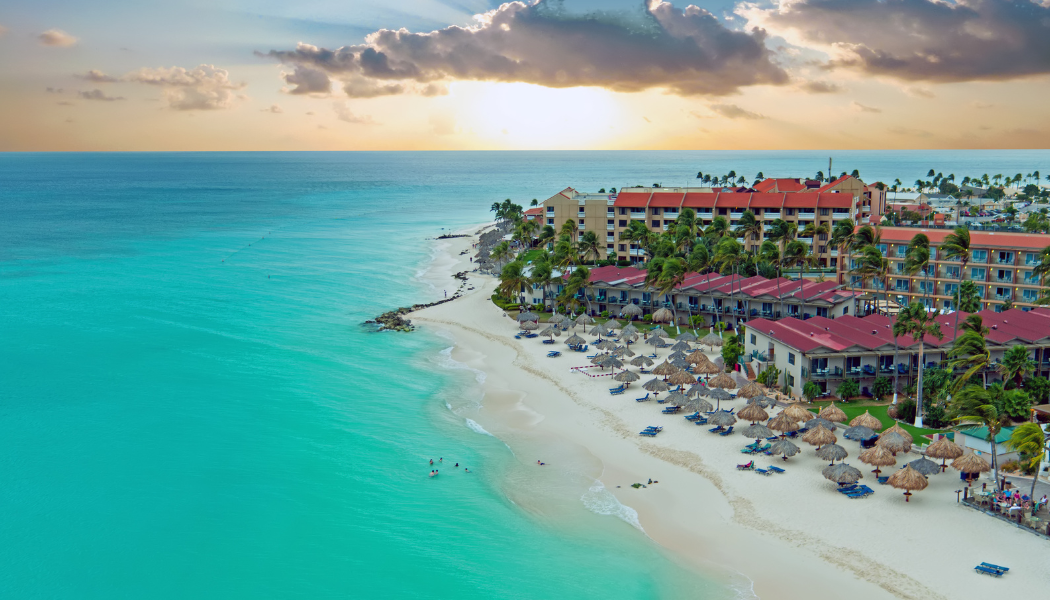
Best Time to Visit Aruba (2026): Weather, Prices & Hurricane Season
Discover the best and worst times to visit Aruba in 2026. Compare monthly weather, hurricane season, crowds, hotel prices and the cheapest months to go.

Is Aruba Expensive? Budget Travel Costs & Tips (2026)
Is Aruba expensive? See realistic daily budgets, food prices, hotel costs, cheap things to do and money-saving tips for an affordable Aruba vacation.

Aruba Itinerary: 3 Days of Beaches, Tours & Local Favorites (2026)
Planning 3 days in Aruba? Follow this easy first-time itinerary with beaches, snorkeling, Natural Pool, restaurants, nightlife and booking tips.
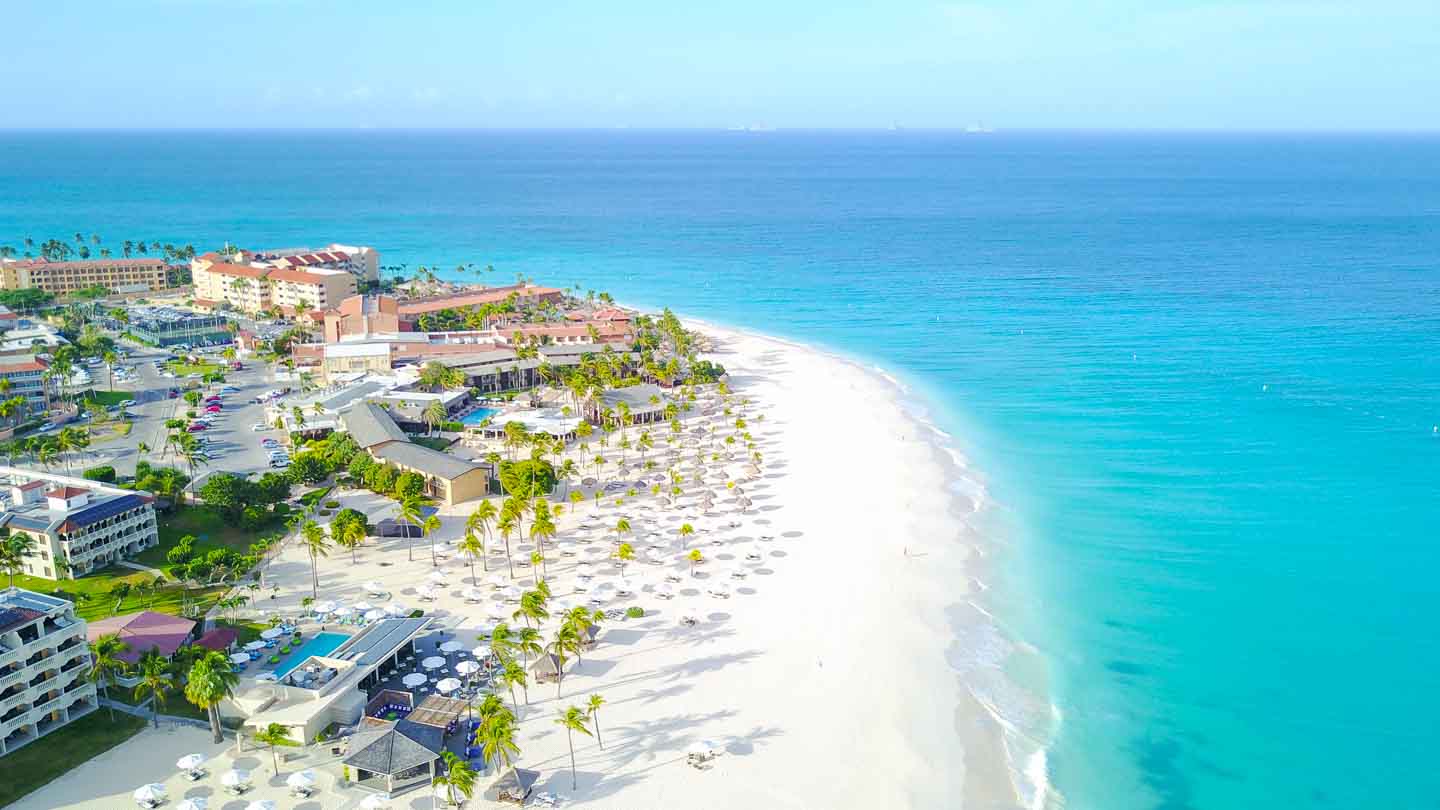
10 Best Beaches in Aruba (2026): Map, Swimming & Snorkeling
Discover the 10 best beaches in Aruba, ranked for swimming, snorkeling, families and couples. Compare Eagle Beach, Palm Beach, Baby Beach and more.

Aruba Airport Transfers 2026: Taxi, Shuttle & Private Rides
Compare Aruba airport transportation to Palm Beach, Eagle Beach and other hotels. See taxi fares, shared shuttles, private transfers and booking options.
Ready to Explore Aruba?
Snorkeling cruises, sunset sails and island adventures for a first visit.
Plan Your Aruba Adventures