Are there caves in Bonaire?
Yes.
Bonaire's limestone geology has created caves and underground chambers across parts of the island.
They're very different from commercial show caves where you follow paved paths under artificial lighting.
On a Bonaire cave tour, expect a more natural environment.
Depending on the route, that can mean:
- uneven limestone
- low passages
- darkness
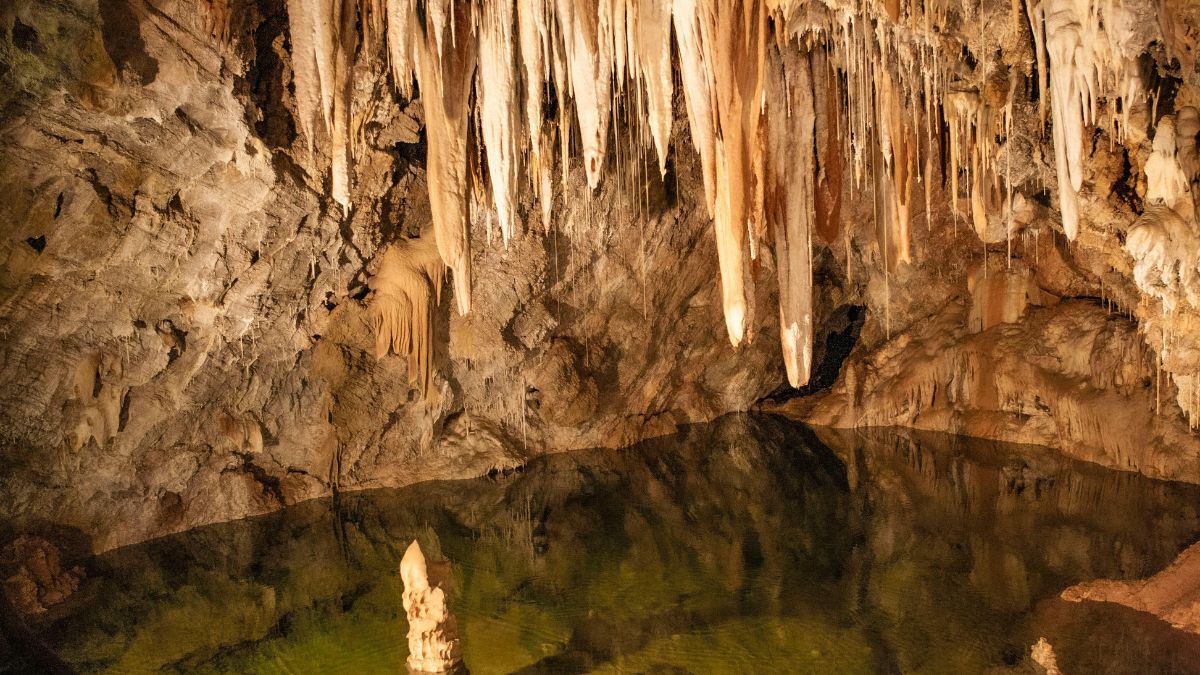
- stalactites and stalagmites
- climbing
- ladders or ropes
- underground pools
- snorkeling or swimming
That's also why the caves are generally experienced with a guide rather than treated like another roadside sightseeing stop.
What are Bonaire's caves like?
Don't picture one enormous cavern.
The experience is more about moving through natural limestone chambers and passages.
Some sections allow you to stand and look around comfortably.
Others require you to bend or crouch.
More adventurous routes can involve short climbs and descents before reaching underground chambers or water.
There are two broad types of experience you'll encounter.
Dry caves
Dry sections are explored primarily on foot.
You'll walk through limestone chambers while your guide explains the cave environment and formations.
Depending on the tour, expect some combination of:
- walking
- crouching
- climbing
- ladders
- ropes
- uneven footing
You don't need technical climbing experience for the tours featured here, but this isn't the same as walking around a normal tourist attraction.
Wet caves
Wet caves add another dimension.
After exploring underground on foot, you may reach a freshwater pool or flooded section where you can enter the water.
Some experiences involve swimming.
Others use a mask and snorkel to explore underwater.
If you're comfortable snorkeling in Bonaire's ocean but have never done it underground, expect it to feel very different.
You're in a darker, enclosed environment rather than an open Caribbean reef.
Can you snorkel in caves in Bonaire?
Yes — some guided cave experiences include cave snorkeling.
This is one of the most unusual activities you can add to a Bonaire itinerary.
Instead of snorkeling above coral and tropical fish, you're entering an underground environment surrounded by limestone.
The featured tours provide snorkeling equipment for their water sections.
You should still be comfortable in the water before choosing a tour where cave snorkeling is a major part of the experience.
If you're uncomfortable with darkness, enclosed spaces or swimming underground, choose a tour with more emphasis on dry cave exploration.
Do you need a guide to visit Bonaire's caves?
For the commercial cave experiences covered in this guide, yes — these are guided activities.
That's a good thing.
A guide helps with:
- navigating the route
- difficult footing
- climbing sections
- equipment
- identifying safe passages
- protecting cave formations
- understanding the geology
Caves are also fragile environments.
This isn't somewhere to wander away from the group looking for your own route.
Best cave tours in Bonaire
The two tours below offer slightly different versions of the experience.
The main decision isn't really which company has the prettier cave.
It's how active you want the excursion to be and whether swimming/snorkeling underground appeals to you.
1. Bonaire CaveTour: Climb, Snorkel & Explore the Hidden Gems
Best for: Active travelers who specifically want cave snorkeling
This Amazing Bonaire experience combines the parts that make Bonaire caving particularly unusual:
climbing + underground exploration + snorkeling.
A guide leads you through the cave environment while explaining what you're seeing along the way.
The experience is aimed at travelers who want an active excursion rather than a simple sightseeing stop.
Snorkeling equipment and flashlights are included according to the current tour listing.
What to expect
Expect to:
- enter natural caves
- walk across uneven surfaces
- climb through sections
- explore underground chambers
- use snorkeling equipment during the wet portion
You should be reasonably fit and comfortable swimming.
This isn't the tour I'd choose if you have substantial mobility limitations or strongly dislike enclosed spaces.
What's included
The current listing includes:
- snorkeling equipment
- flashlights
- applicable tour fees
Transport is not listed as included, so check the current meeting instructions before booking.
That's particularly important for cruise passengers.

Bonaire CaveTour: Climb, Snorkel & Explore the Hidden Gems
Supplied by Amazing Bonaire
Check current price & availability →2. Bonaire Cave Tour: Walk, Climb & Swim
Best for: Travelers who want to experience several different caves
This Adventures Bonaire excursion takes a slightly broader approach by visiting three natural caves.
The experience combines walking and climbing with the opportunity to swim in an underground cave pool.
Equipment listed for the tour includes headlamps, ropes, snorkel equipment and optional helmets.
An air-conditioned vehicle is also listed among the inclusions.
What to expect
You'll move through natural cave environments rather than developed tourist caves.
That means:
- bending
- crouching
- uneven limestone
- short climbs
- darker passages
- humid conditions
- optional water sections
The multiple-cave format makes this particularly appealing if you want to see different underground environments rather than focusing on one cave experience.

Bonaire Cave Tour: Walk, Climb & Swim
Supplied by Adventures Bonaire
Check current price & availability →Which Bonaire cave tour should you choose?
The two experiences overlap, so I'd choose based on what matters most to you.
Choose Climb, Snorkel & Explore if:
- cave snorkeling is a major reason you're booking
- you want an active experience
- you're comfortable swimming
- climbing sounds fun rather than intimidating
- you don't mind arranging your own transportation
Choose Walk, Climb & Swim if:
- you want to see several caves
- you like the idea of combining different cave environments
- an optional cave swim appeals to you
- you'd prefer a broader cave experience
For either one, check the latest itinerary, inclusions, physical requirements and meeting instructions before booking.
How difficult are Bonaire cave tours?
You don't need previous caving experience.
But you should understand that this is a physical activity.
Depending on the tour, you may need to:
- bend
- crouch
- balance on uneven rock
- climb short sections
- use a ladder or rope
- swim
- snorkel
- spend time in enclosed spaces
Someone reasonably active should find that very different from someone with limited mobility.
Don't judge difficulty purely by the duration of the excursion.
Three hours of climbing, crouching and moving through a humid cave can feel considerably more demanding than three hours on a catamaran.
Are Bonaire caves claustrophobic?
They can feel that way if enclosed spaces bother you.
You're underground, natural light is limited and some passages can require crouching or moving through tighter spaces.
If you already know you have significant claustrophobia, a cave tour may not be the best Bonaire activity for you.
There's no reason to force it.
Bonaire has plenty of outdoor alternatives including snorkeling, kayaking, sailing, Washington Slagbaai and landsailing.
Are Bonaire cave tours suitable for children?
This depends on the specific tour and child.
Cave exploration can involve climbing, uneven footing, darkness and water, so age and physical requirements vary between operators.
Before booking with children, check:
- minimum age
- swimming requirements
- climbing involved
- duration
- equipment sizes
- whether the wet section is optional
Don't assume that because a child is a confident swimmer, they'll automatically be comfortable underground.
What should you wear on a Bonaire cave tour?
Wear clothes you don't mind getting dirty or wet.
Shoes
This is the most important choice.
You want secure footwear with good grip for uneven limestone.
Avoid choosing footwear purely because it's comfortable for walking around Kralendijk.
Clothing
Lightweight, quick-drying clothing makes sense if your tour includes swimming or snorkeling.
Remember that caves can also be humid.
After the tour
Bring:
- towel
- dry clothes
- water
- waterproof pouch or dry bag if needed
Check what your specific operator provides before packing additional equipment.
What equipment do cave tours provide?
Based on the featured tour listings, equipment can include:
- headlamps or flashlights
- snorkeling masks
- snorkels
- ropes
- helmets where appropriate
The exact equipment differs by tour.
Always check the current inclusions before booking rather than assuming every cave operator supplies the same gear.
Can you take photos inside Bonaire's caves?
Yes, but photographing caves is harder than photographing a normal Bonaire attraction.
Lighting is limited and the environment can be wet.
A waterproof phone pouch is useful if your tour includes swimming.
For dry sections, modern phone night modes can work surprisingly well when you remain still.
Most importantly, don't touch cave formations simply to get a better photo.
Follow your guide's instructions about photography and where you can safely stop.
Why shouldn't you touch stalactites and stalagmites?
Cave formations develop extremely slowly.
Touching them can leave oils and contaminants from your skin on their surface.
The simple rule is:
Look, photograph and enjoy — but don't touch unless your guide specifically identifies a safe handhold.
The same principle applies underground as it does on Bonaire's coral reefs: the environment lasts longer when visitors don't interfere with it.
Bonaire caves for cruise passengers
A cave tour can work well during a Bonaire cruise stop, but logistics matter more than they do for hotel guests.
Check:
- tour duration
- meeting location
- transportation
- start time
- expected finish time
- distance back to the cruise terminal
One featured tour requires you to arrange your own transport, while the other currently lists vehicle transportation among its inclusions.
Don't assume that means automatic cruise-port pickup.
Verify the exact meeting instructions shown on your booking.
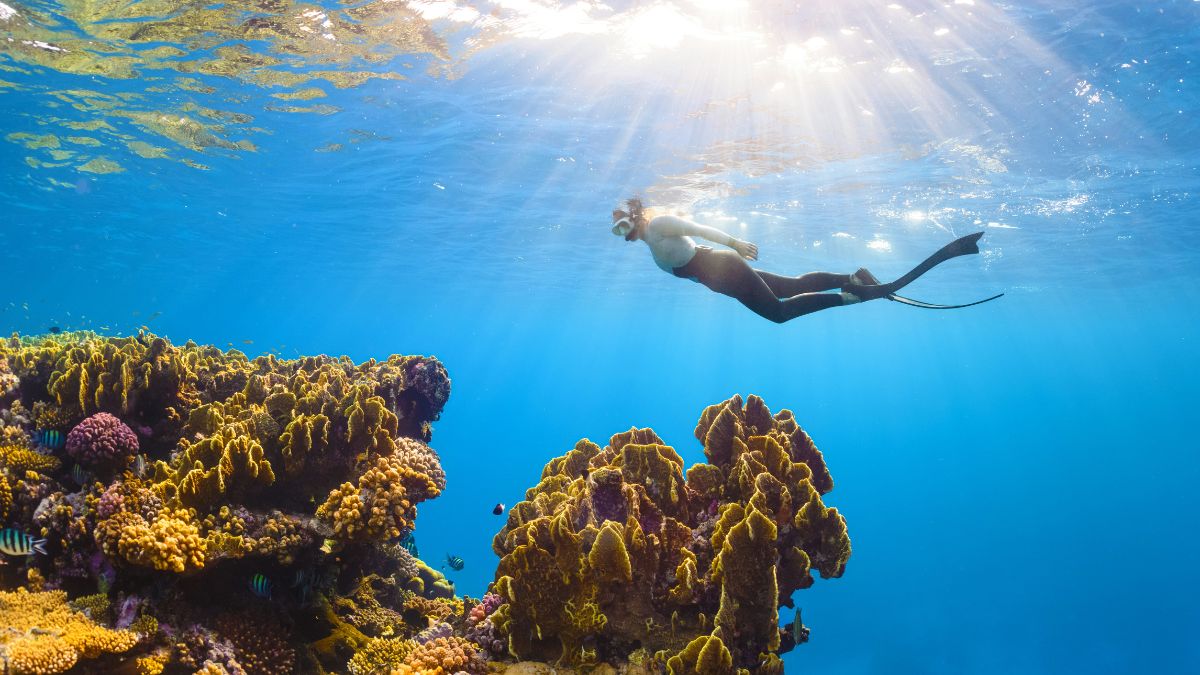
Caves vs snorkeling in Bonaire
These experiences are almost opposites.
Choose a cave tour if:
- you've already spent plenty of time at the beach
- you want something adventurous
- geology interests you
- climbing and exploring appeal to you
- you want a completely different Bonaire experience
Choose snorkeling if:
- seeing marine life is your priority
- you prefer open water
- you don't like enclosed spaces
- you want something you can do independently
- you want a less physically confined activity
For a week-long trip, I'd make snorkeling a core activity and treat the caves as an adventurous half-day addition.
Caves vs kayaking in Bonaire
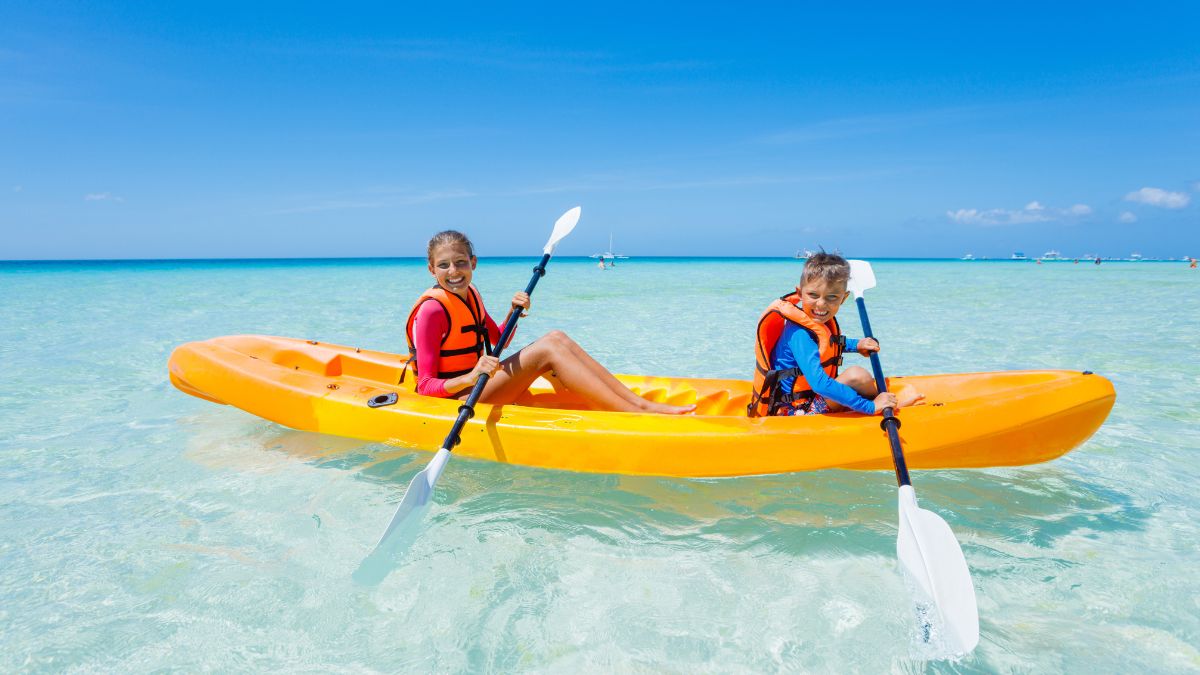
Mangrove kayaking is another option if you want something beyond beaches and diving.
Kayaking is generally more open and scenic.
Caving feels more adventurous and unusual.
If darkness, climbing or enclosed spaces don't appeal to you, Lac Bay kayaking is probably the more comfortable choice.
If you specifically want an experience unlike anything else you're doing in Bonaire, the caves stand out more.
Are Bonaire cave tours worth it?
They can be — particularly if you're spending five days or longer on Bonaire.
Diving and snorkeling will probably dominate most active itineraries.
The caves give you something completely different.
You're replacing turquoise water and coral reefs with darkness, limestone, underground chambers and freshwater pools.
I'd prioritize a cave tour if:
- you enjoy active excursions
- you've never explored a natural cave
- underground snorkeling sounds exciting
- you want variety beyond water activities
- you're comfortable climbing and crouching
I'd skip it if enclosed spaces, uneven footing or underground swimming make you uncomfortable.
How much time should you allow?
Treat a cave tour as approximately a half-day activity rather than something you squeeze between two other major excursions.
Your total time can include:
- meeting the guide
- transportation
- safety briefing
- entering and exiting caves
- changing equipment
- walking and climbing
- swimming/snorkeling
- returning afterward
That still leaves enough time to combine the caves with a relaxed afternoon or evening around Kralendijk.