Aruba sunscreen guide
Reef-Safe Sunscreen for Aruba: Rules & Best Products
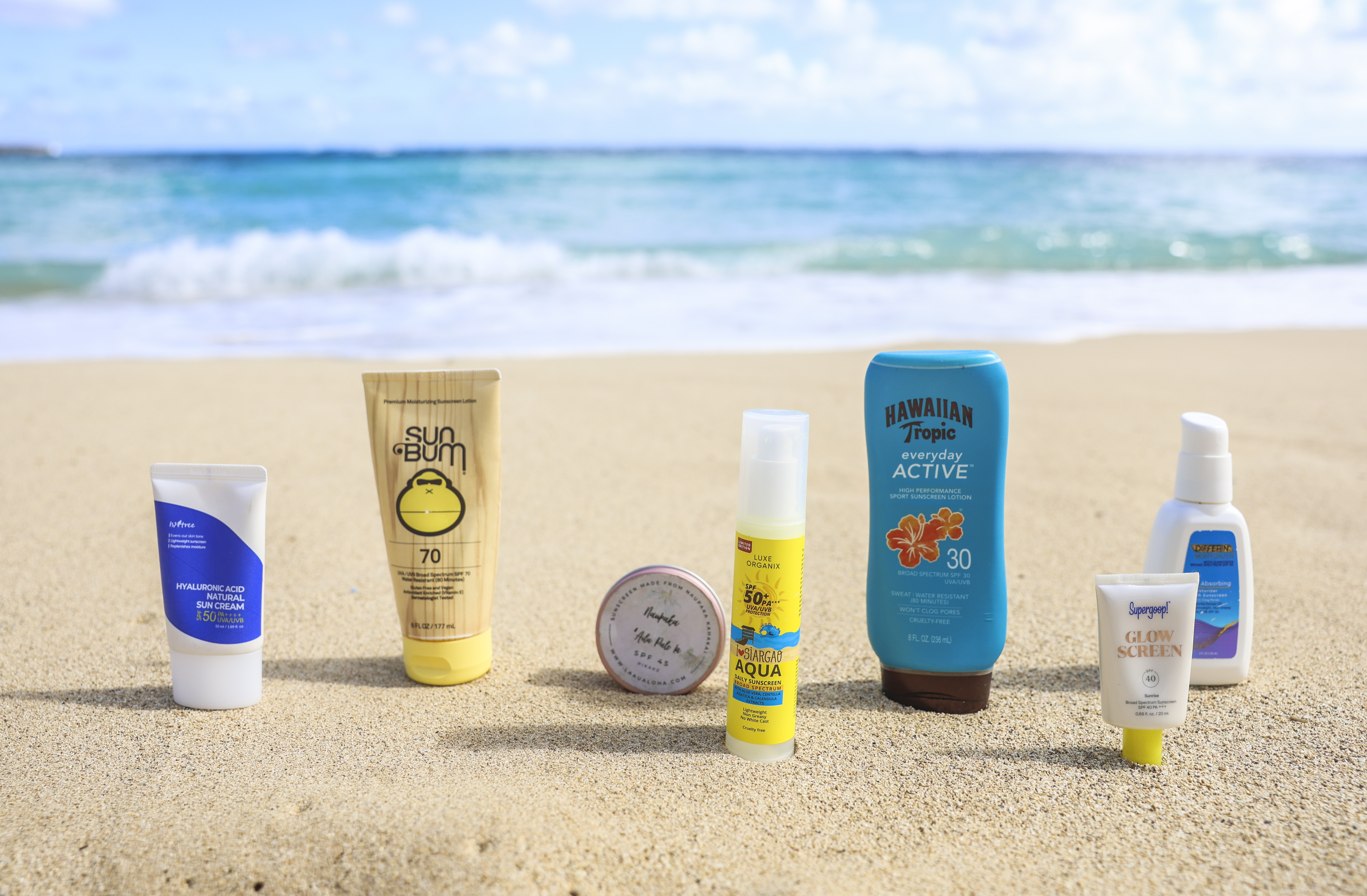
Choosing sunscreen for Aruba protects your skin and lines up with the island’s rules for the marine environment.
Aruba bans sunscreen containing oxybenzone, an ingredient associated with damage to coral reefs. The island also encourages visitors to choose mineral sunscreens with zinc oxide or titanium dioxide.
This guide explains the sunscreen rule, how to read a label, which mineral products are worth comparing, where to buy sunscreen, and how much to pack.
ArubaBuddies is an independent Aruba travel guide. We may earn a commission from bookings made through our links, at no additional cost to you. Clicking a product card sends you to Amazon.
Shop Reef-Safe Sunscreen for ArubaAruba Sunscreen Rules: Quick Overview
| Is reef-safe sunscreen required? | Aruba bans sunscreens containing oxybenzone |
|---|---|
| Main banned ingredient | Oxybenzone (benzophenone-3) |
| Is every chemical sunscreen banned? | No |
| Is octinoxate banned? | Not under Aruba’s oxybenzone sunscreen prohibition |
| Recommended sunscreen | Broad-spectrum mineral SPF 30–50+ |
| Preferred mineral ingredients | Zinc oxide or titanium dioxide |
| Best for long beach days | Water-resistant SPF 50+, plus a hat, shade, and UPF clothing |
| Can you buy sunscreen in Aruba? | Yes, at supermarkets, pharmacies, and specialty shops |
| Best preparation | Check the ingredients before you travel |
Jump to a section
Is Reef-Safe Sunscreen Required in Aruba?
Aruba has a legal prohibition on sunscreen products containing oxybenzone. The restriction is part of environmental legislation adopted in 2019 and implemented in 2020. The law prohibits the importation, manufacture, sale, and free distribution of sunscreen products containing oxybenzone.
That is different from a rule against every non-mineral sunscreen. The restriction identifies oxybenzone. Other chemical UV filters are not automatically prohibited under that provision. Aruba’s tourism authority still recommends mineral sunscreen as the environmentally preferable option.
For most travelers, the simplest approach is a broad-spectrum mineral sunscreen with zinc oxide or titanium dioxide.
What Sunscreen Ingredients Are Not Allowed in Aruba?
Banned under Aruba’s sunscreen law
Oxybenzone, also called benzophenone-3 or BP-3. If a sunscreen lists it, choose another product before your trip.
Ingredients some travelers prefer to avoid
For an extra reef-conscious choice, you can also look for sunscreen without:
- Octinoxate (ethylhexyl methoxycinnamate)
- Octocrylene
- Homosalate
- Avobenzone
These extra ingredients are optional environmental considerations. They are not a list of ingredients prohibited by Aruba’s oxybenzone law. Research on sunscreen and marine ecosystems is still developing. No sunscreen should be described as completely harmless to coral.
What to look for instead
Mineral sunscreens use zinc oxide or titanium dioxide. Check the active-ingredients panel. Mineral formulas are the usual recommendation for travelers who want to limit possible effects on the marine environment.
Label checklist
- Confirm it does not contain oxybenzone or benzophenone-3.
- Choose broad-spectrum UVA and UVB protection.
- Select SPF 30 or higher. SPF 50+ is a practical choice for long beach days.
- Look for water resistance if you will swim.
- Consider zinc oxide or titanium dioxide.
- Read the full label. A “reef-safe” claim is not a universal certification that a product cannot affect marine life.
Best Reef-Safe Sunscreens for Aruba
The right sunscreen depends on the day. A family at Baby Beach needs a different setup from a snorkeler at Tres Trapi or a hike on the north coast. Formulas change, so confirm the current label, SPF, and water-resistance time before you buy.
ArubaBuddies is an independent Aruba travel guide. We may earn a commission from bookings made through our links, at no additional cost to you. Clicking a product card sends you to Amazon.

Best overall
Blue Lizard Sport Mineral Sunscreen Spray SPF 50+
A mineral sunscreen for outdoor activities and water exposure. It offers broad-spectrum SPF 50+ in a spray. Apply it carefully so you get enough coverage, avoid inhaling the mist, and do not spray it directly into your face.
Best for: Beach days, sightseeing, and outdoor activities.
View Blue Lizard Sunscreen on Amazon
Active beach days
Thinksport All Sheer Mineral Sunscreen Spray SPF 50+
A mineral spray for travelers who want SPF 50+ in a lighter format for days that mix the beach and sightseeing. Check the current water-resistance rating before you swim.
Best for: Active travelers and long days outdoors.
View Thinksport Sunscreen on Amazon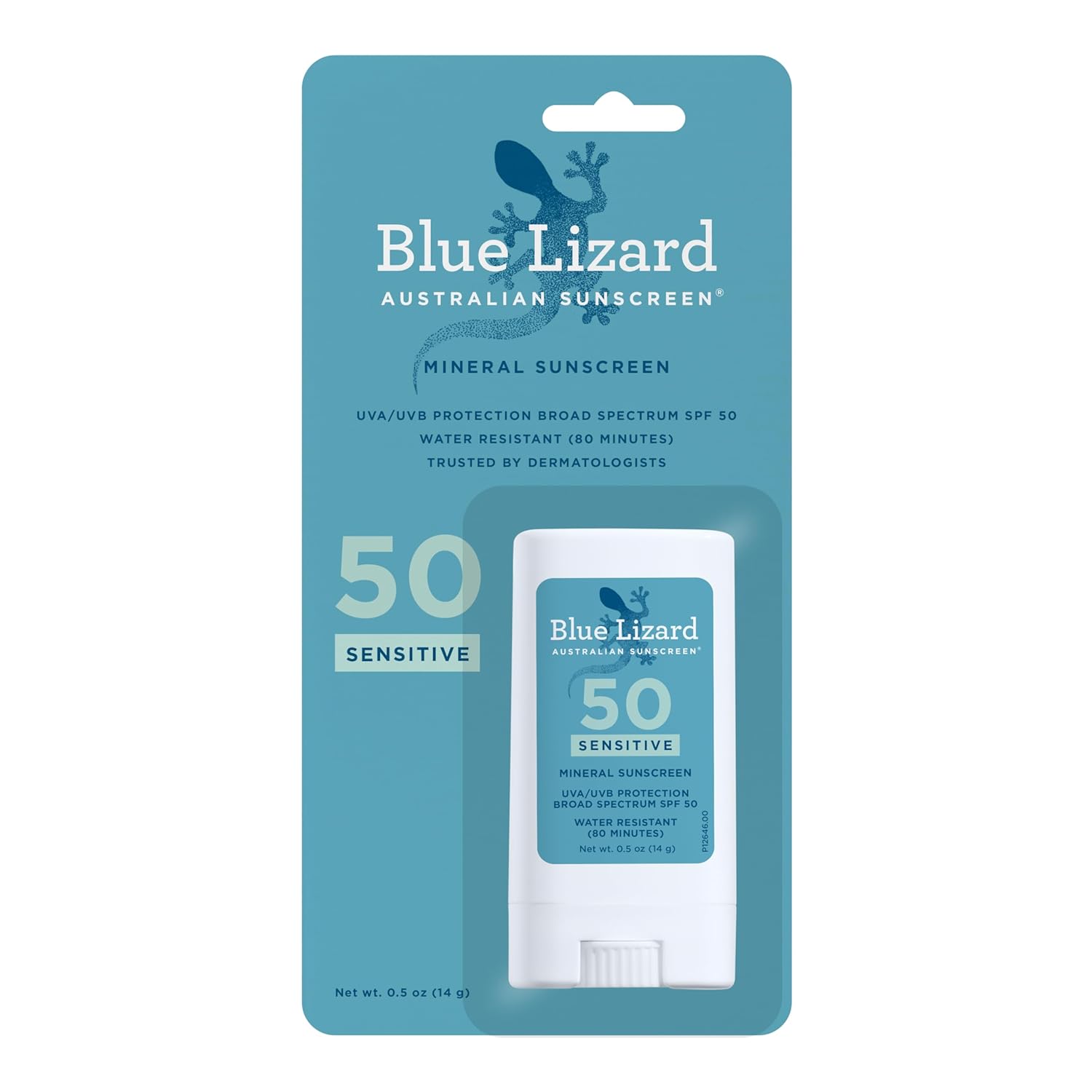
Sunscreen stick
Blue Lizard Sensitive Mineral Sunscreen Stick SPF 50+
A compact mineral stick for the face, ears, and other exposed spots. It fits in a beach bag and works as a supplement to a full-body lotion. Use enough product to match the protection on the label.
Best for: Facial protection and travel convenience.
View Blue Lizard Sunscreen Stick on AmazonSensitive skin
Blue Lizard Sensitive Mineral Sunscreen
A fragrance-free mineral sunscreen is a practical starting point for sensitive skin. Look for zinc oxide or titanium dioxide, broad-spectrum protection, and a texture you will actually reapply. Check the exact formula, and patch-test an unfamiliar product when you can.
Best for: Travelers who want a mineral sunscreen for sensitive skin.
Compare Sensitive Skin Sunscreens
Kids
Aveeno Kids Continuous Protection Mineral Sunscreen Stick SPF 50
A mineral stick for children’s targeted sun protection. It is easy to carry, and it is easier to reapply on the face and ears than a full lotion. For broad coverage, a lotion is more practical than a small stick. Shade, hats, and UPF clothing still matter. For infants younger than six months, ask a pediatric clinician and prioritize shade and clothing.
Best for: Families visiting Aruba.
View Kids Mineral Sunscreen on AmazonAruba Sunscreen Comparison
| Sunscreen | Type | Best for |
|---|---|---|
| Blue Lizard Sport SPF 50+ | Mineral spray | General beach use |
| Thinksport All Sheer SPF 50+ | Mineral spray | Active outdoor days |
| Blue Lizard Sensitive Stick SPF 50+ | Mineral stick | Face and targeted areas |
| Blue Lizard Sensitive Mineral | Mineral sunscreen | Sensitive skin |
| Aveeno Kids Mineral Stick SPF 50 | Mineral stick | Children’s targeted protection |
Is SPF 30 or SPF 50 Better for Aruba?
Aruba gets strong tropical sun all year. Broad-spectrum SPF 30 or higher is a sound starting point. SPF 50+ is a sensible choice for long beach days and other extended time outside. A higher number does not replace reapplication. Apply it generously and follow the label.
- Apply sunscreen before you go out, following the product instructions.
- Reapply at least every two hours.
- Reapply after swimming, sweating, or towel drying, and follow the water-resistance time on the label.
- Use a water-resistant sunscreen when you swim.
- Wear a UPF rash guard while snorkeling. See the snorkel gear guide.
- Add a hat, sunglasses, and shade.
The trade winds can make a hot day feel cooler, so it is easy to underestimate how long you have been in the sun.
How Much Sunscreen Should You Bring to Aruba?
It depends on the length of the trip, how many people are traveling, how much skin is exposed, and how often you swim. A full-body application for an average adult can take about 30 ml, or one fluid ounce. A small bottle can run out during a week of beach days. A 200 ml bottle is roughly six of those applications. Real use varies.
| Trip | Practical packing advice |
|---|---|
| 3 days | Bring enough for daily full-body application and reapplication |
| 7 days | Consider multiple full-size bottles per adult for beach-heavy days |
| 14 days | Bring additional sunscreen or plan to buy more locally |
| Families | Allow extra for children and frequent swimming |
| Snorkeling trips | Combine sunscreen with UPF clothing and shade |
For clothing and the rest of the bag, use the Aruba packing list.
Where to Buy Reef-Safe Sunscreen in Aruba
You can buy sunscreen on the island if you forget it or run out.
Supermarkets
Large stores such as Super Food Plaza and Ling & Sons are worth checking. Mineral formulas are not guaranteed to be in stock.
Pharmacies and resort shops
Pharmacies may carry sensitive-skin options. Hotel shops are convenient, and selection and prices vary.
Bring it or buy it there
Bringing a sunscreen you already like lets you check the ingredients, test the texture, and pack enough. Buying locally is reasonable if you want a lighter bag.
Is Aruba Aloe Sunscreen Reef-Safe?
Aruba Aloe is a well-known local skincare brand. Sunscreen contains UV filters and an SPF rating. After-sun lotion is for skin after you have been outside, and it does not replace sunscreen unless that product is labeled with sun protection.
Check the active ingredients on the exact Aruba Aloe sunscreen. The tourism authority also points visitors toward local mineral sunscreen producers. Lotions, gels, and after-sun care are covered in the Aruba Aloe products guide.
Best Sunscreen for Snorkeling in Aruba
At Tres Trapi, Boca Catalina, Mangel Halto, or Baby Beach, your back, shoulders, neck, and legs can stay exposed while you look down. A practical setup is water-resistant sunscreen, a long-sleeve UPF rash guard, protection for your legs, a hat and shade before and after the swim, plus a towel and drinking water. Clothing and shade reduce how much sunscreen you need. More shore spots are in the snorkeling in Aruba guide.
Protecting marine life
- Avoid touching or standing on coral.
- Do not chase or feed sea turtles.
- Keep fins off fragile reef habitat.
- Pack out litter.
- Follow local conservation rules and your guide’s instructions.
Reef-Safe Sunscreen and Regular Sunscreen
“Reef-safe” is common marketing language, and it does not have one accepted definition. Sunscreens can use chemical UV filters, mineral UV filters, or both. Mineral sunscreens generally rely on zinc oxide or titanium dioxide. Either type can protect skin when the formula is used as directed.
For Aruba, the legal point is to avoid sunscreen that contains oxybenzone. A mineral product is a straightforward way to follow the island’s broader environmental guidance.
FAQ
Frequently Asked Questions
- Does Aruba require reef-safe sunscreen?
- Aruba prohibits the import, manufacture, sale, and free distribution of sunscreen containing oxybenzone. Mineral sunscreen is recommended by the tourism authority. That restriction does not prohibit every non-mineral sunscreen.
- What sunscreen is banned in Aruba?
- Sunscreen containing oxybenzone, also called benzophenone-3, is covered by Aruba’s sunscreen prohibition.
- What sunscreen ingredients should I avoid in Aruba?
- Avoid oxybenzone to comply with the island’s sunscreen restriction. Travelers who want a broader reef-conscious choice can use a mineral sunscreen with zinc oxide or titanium dioxide.
- Is octinoxate banned in Aruba?
- Aruba’s sunscreen legislation specifically prohibits oxybenzone-containing products. Octinoxate is not separately named in that prohibition.
- What sunscreen is allowed in Aruba?
- Sunscreens without oxybenzone are outside Aruba’s specific oxybenzone restriction. Check current local rules and the complete ingredient list before you travel.
- Is there an official Aruba-approved sunscreen list?
- This guide does not rely on a government brand-by-brand approval list. Check the ingredients of the exact product you plan to pack.
- What is the best reef-safe sunscreen for Aruba?
- A broad-spectrum, water-resistant mineral sunscreen with zinc oxide or titanium dioxide is a practical choice. SPF 50+ is useful for long beach days.
- Is Sun Bum sunscreen reef-safe for Aruba?
- Sun Bum sells different formulas. Check the active ingredients of the specific product rather than the brand name alone.
- Is Hawaiian Tropic reef-safe for Aruba?
- Hawaiian Tropic offers multiple formulas. Check the exact product for oxybenzone and read the active ingredients before you buy.
- Is Aruba Aloe sunscreen reef-safe?
- Check the exact Aruba Aloe sunscreen and its ingredients. Aruba Aloe also sells after-sun products, and those do not replace sunscreen unless the label states an SPF.
- Where can I buy reef-safe sunscreen in Aruba?
- Check supermarkets, pharmacies, resort shops, and local skincare retailers. Availability varies by store and product.
- Is sunscreen expensive in Aruba?
- Prices vary by retailer, brand, bottle size, and formula. Resort shops can cost more than larger supermarkets. There is no single island-wide price.
- How much sunscreen do I need for seven days in Aruba?
- For frequent full-body applications, plan on more than one bottle per adult, or buy more during the trip. Clothing, shade, and how often you swim change the amount.
- Is SPF 30 enough for Aruba?
- Broad-spectrum SPF 30 can protect skin when it is applied correctly. SPF 50+ is a practical choice for long beach days.
- Can I bring sunscreen on a plane to Aruba?
- Yes, subject to airline and airport liquid rules. Carry-on liquids are commonly limited to containers of 100 ml or less. Larger bottles can usually go in checked baggage, subject to the rules that apply to your flight.
- Should I wear sunscreen while snorkeling?
- Protect exposed skin while snorkeling. Water-resistant sunscreen, UPF clothing, and shade are useful. Follow local environmental guidance.
Last updated: October 2026. Product formulas, availability, and local regulations may change. Verify current labels and official guidance before you travel.
Prepare for Aruba’s Sunshine
- Avoid sunscreen containing oxybenzone.
- Choose broad-spectrum SPF 30 or higher. SPF 50+ is especially useful for long days outside.
- Consider a mineral sunscreen with zinc oxide or titanium dioxide.
- Pack enough for frequent reapplication.
- Combine sunscreen with a hat, shade, and UPF clothing.
Related guides
A few nearby reads that pair with this page.
Aruba Packing List (2026): What to Bring & Wear
Packing for Aruba? Discover what to bring, what to wear, sun protection essentials and a practical 7-day packing checklist with recommended travel gear.
Aruba Aloe Products (2026): Best Picks & Where to Buy
Discover the best Aruba Aloe products, including after-sun lotions and skincare. Find factory and store locations, shopping tips and where to buy online.
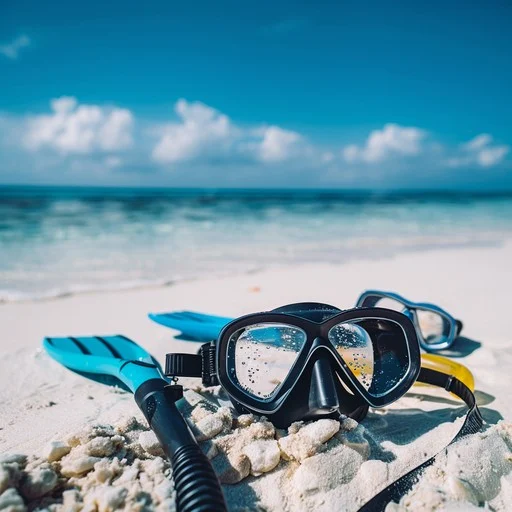
Snorkel Gear for Aruba (2026): Buy, Bring or Rent?
What snorkel gear do you need for Aruba? Compare masks, snorkels, fins and travel sets, plus where to buy or rent equipment on the island.
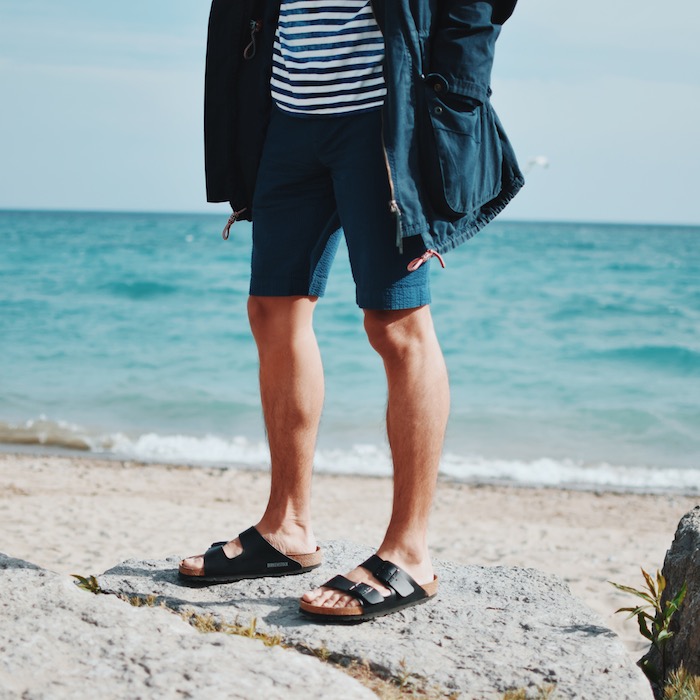
Do You Need Water Shoes in Aruba? Best Picks (2026)
Do you need water shoes in Aruba? See which beaches are sandy or rocky, when to wear water shoes, and the best footwear to pack for your trip.
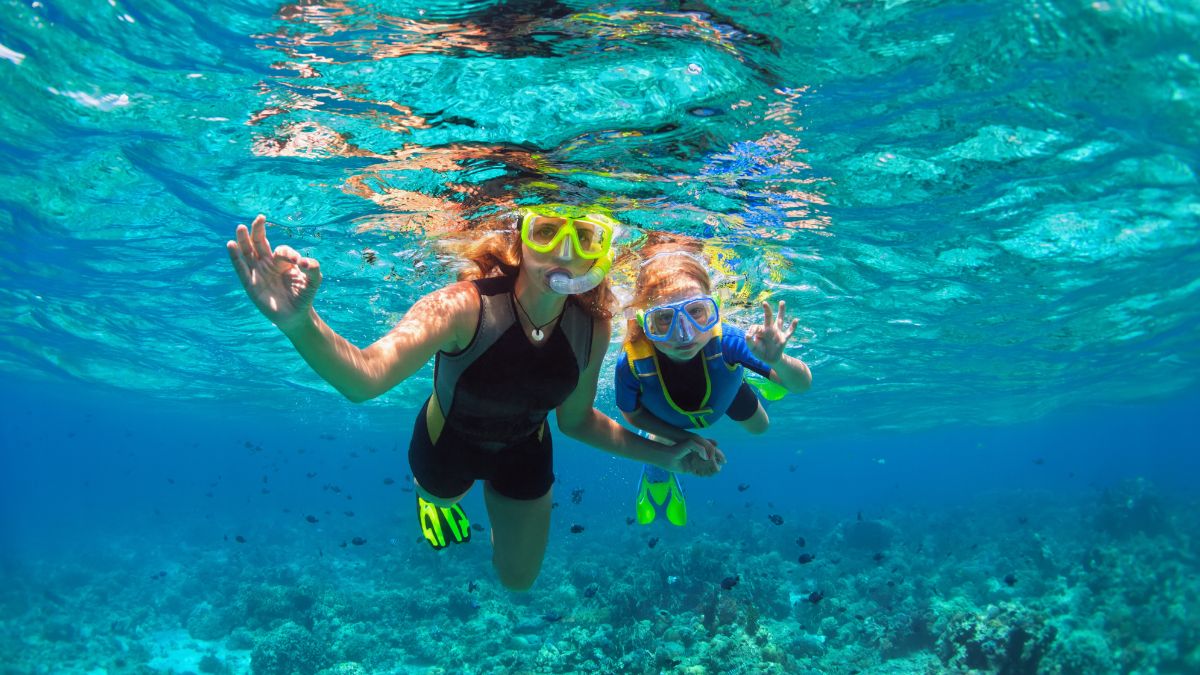
Best Underwater Camera for Aruba Snorkeling (2026)
Which underwater camera should you bring to Aruba? Compare GoPro, DJI, waterproof phone cases and budget cameras for snorkeling with turtles.
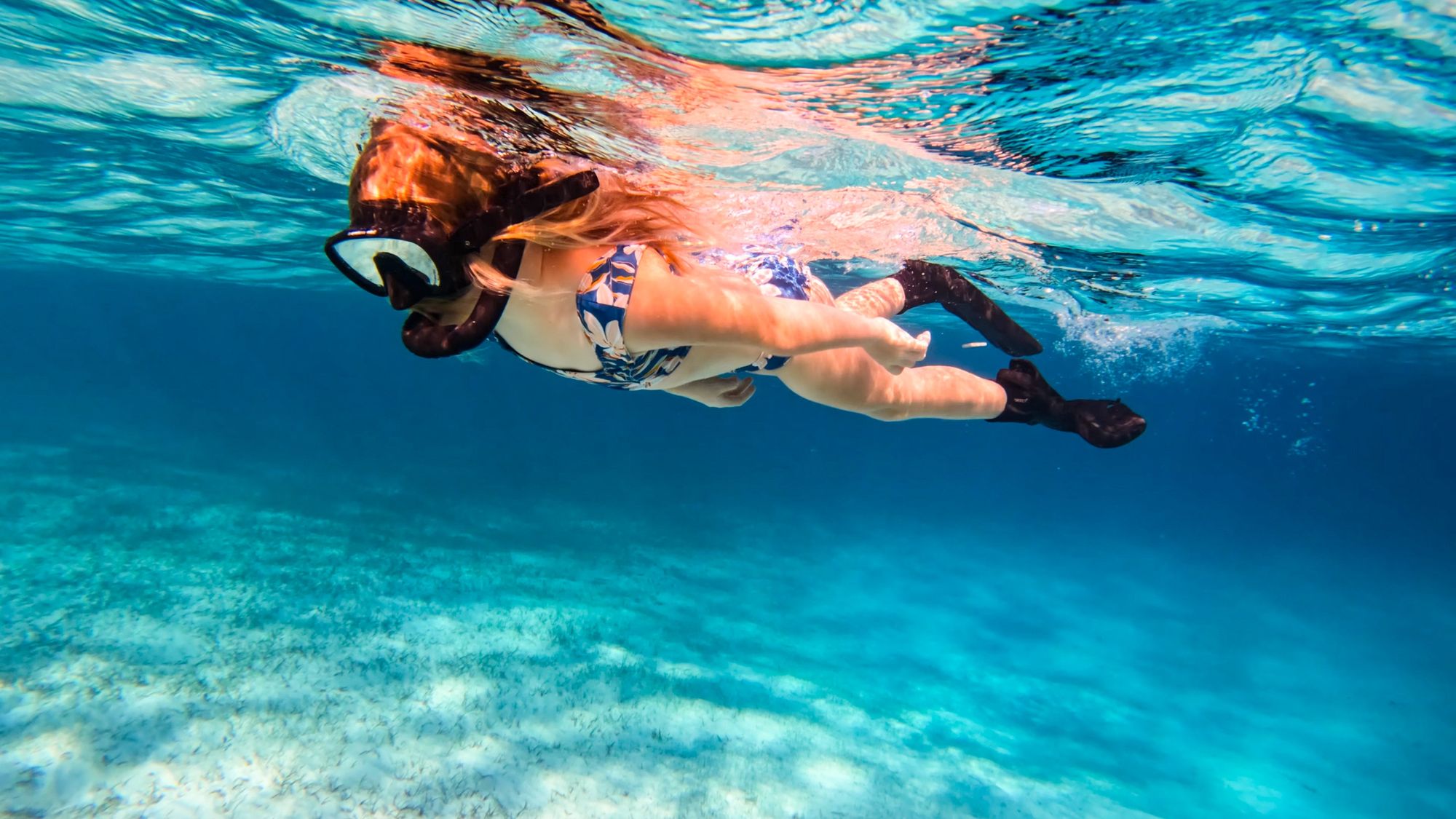
Snorkeling in Aruba (2026): 7 Best Spots, Beaches & Tours
Discover the best snorkeling in Aruba, including Boca Catalina, Tres Trapi, Mangel Halto and Baby Beach. Compare shore spots, tours and prices.

Tres Trapi Aruba (2026): Snorkeling With Sea Turtles
Discover Tres Trapi in Aruba, a popular spot to snorkel with sea turtles. Find its location, best visiting times, snorkeling tips and guided turtle tours.

Mangel Halto Aruba (2026): Snorkeling, Beach & Tours
Explore Mangel Halto Beach in Aruba. Discover snorkeling spots, mangroves, directions, safety tips, kayaking tours and the best time to visit.
Aruba Beach Chair & Umbrella Rentals (2026)
Rent beach chairs, umbrellas, snorkel gear and beach equipment in Aruba. Compare rental options, prices and delivery for Eagle Beach, Palm Beach and more.