Destination Comparison
Aruba vs Punta Cana: Which Is Better for Your Vacation?
Quick answer: Choose Aruba for drier weather, calm swimming beaches and easy island exploration outside a resort. Choose Punta Cana (Dominican Republic) for more all-inclusive options, tropical resort scenery and usually better package value.
The biggest difference: Aruba encourages you to explore the island. Punta Cana makes it easy to spend your entire vacation enjoying one resort.
ArubaBuddies may earn a commission when you book through links on this page, at no extra cost to you.
Aruba vs Punta Cana at a Glance
| Category | 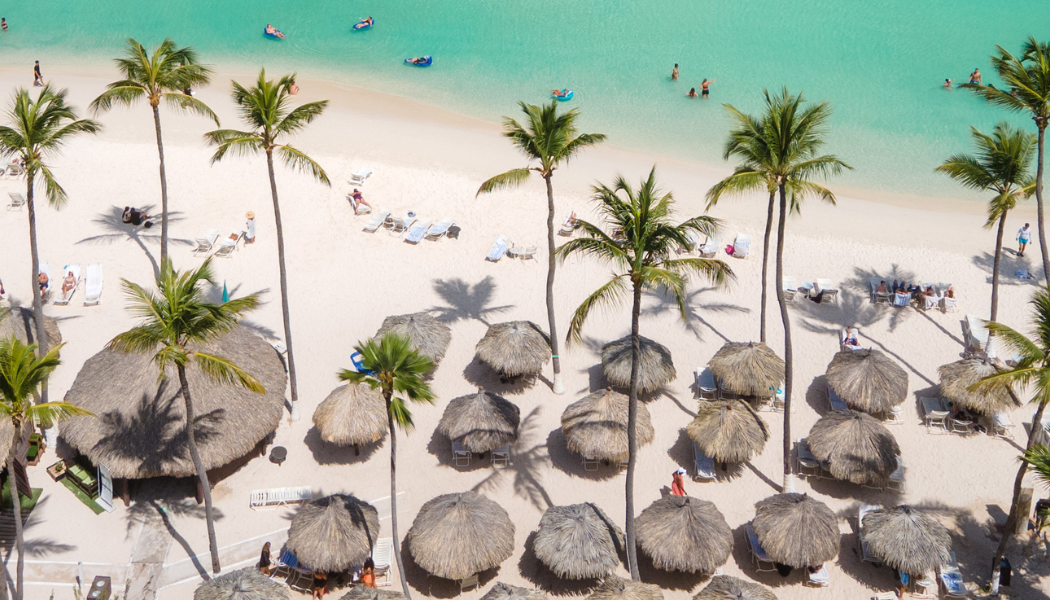 Aruba | 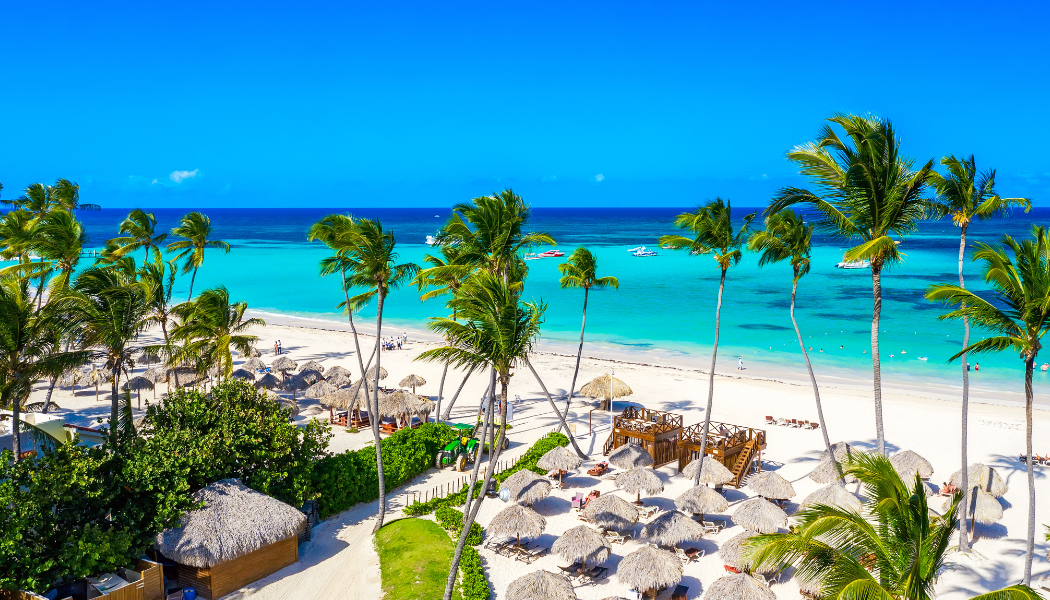 Punta Cana |
|---|---|---|
| Best overall for | Independent beach vacations | All-inclusive resort vacations |
| Beaches | Eagle Beach, Palm Beach, Arashi Beach, Baby Beach | Bávaro Beach, Arena Gorda, Macao Beach, Juanillo Beach |
| Landscape | Dry, sunny, cactus-covered island | Lush tropical coastline |
| All-inclusive resorts | Smaller selection | Extensive selection |
| Vacation costs | Generally higher | Generally better package value |
| Weather | Drier climate, lower hurricane exposure | Tropical climate, more seasonal rainfall |
| Swimming | Many calm, sheltered beaches | Beautiful beaches, but waves vary by location |
| Snorkeling | Accessible shore snorkeling and boat trips | Boat excursions and selected reef areas |
| Activities | Snorkeling, sailing, UTV tours, sightseeing | Saona Island, catamarans, buggies, ziplining |
| Nightlife | Restaurants, beach bars, casinos and clubs | Resort entertainment, clubs and casinos |
| Getting around | Relatively easy to explore independently | Resort transfers and organized excursions are common |
| Families | Great for beach time and independent outings | Great for all-inclusive amenities and kids' clubs |
| Couples | Beach restaurants, sunset cruises, boutique stays | Romantic resorts and adults-only all-inclusives |
Which Has Better Beaches: Aruba or Punta Cana?
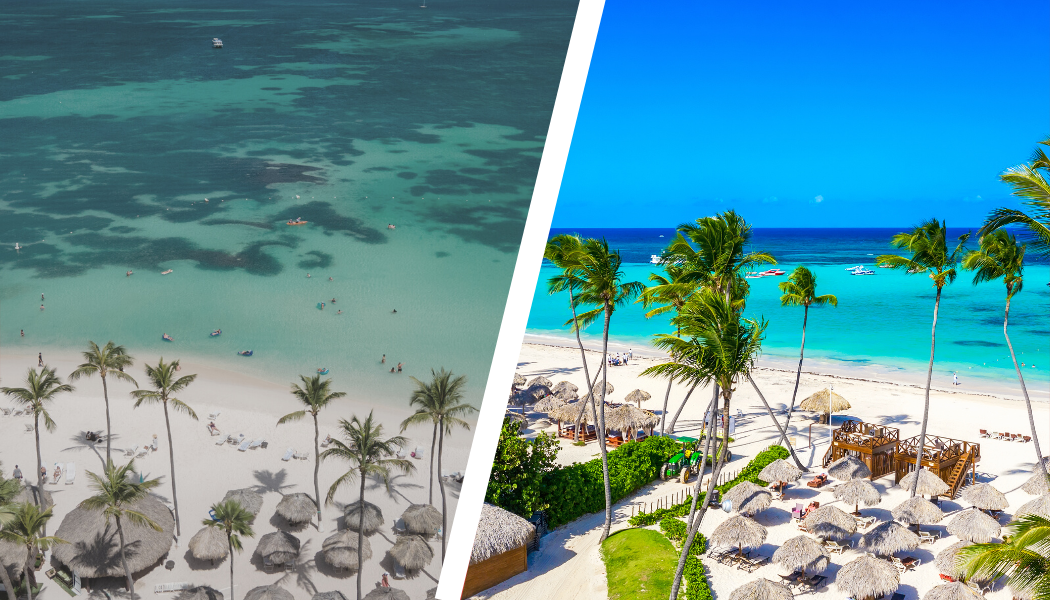
Both destinations have beautiful white-sand beaches, but their landscapes and swimming conditions are different.
Aruba's Beaches: Calm Water and Easy Access
Aruba is particularly well known for its beaches along the western and southern coasts.
Eagle Beach offers a broad stretch of white sand and turquoise water. It's a popular choice for travelers who prefer a spacious beach with a relaxed atmosphere.
Palm Beach is more developed, with beachfront resorts, restaurants, water sports and entertainment within easy reach.
Arashi Beach is popular for swimming and snorkeling when conditions are favorable, while Baby Beach offers a sheltered lagoon that attracts families.
Aruba's beach experience is relatively flexible. You can visit different beaches throughout your stay rather than relying entirely on the beach in front of your hotel.
However, not every Aruba beach is calm. The island's exposed northern and eastern coastline can have powerful waves and dangerous currents.
Punta Cana's Beaches: Tropical Scenery and Resort Comfort
Punta Cana is famous for long stretches of sand lined with palm trees and large beachfront resorts.
Bávaro Beach is one of the best-known resort beaches, with turquoise water, white sand and extensive hotel facilities.
Arena Gorda is another major resort area, while Juanillo Beach in Cap Cana is known for its attractive tropical setting.
Macao Beach has a more natural atmosphere and can experience stronger surf.
Punta Cana's beaches are particularly appealing to travelers who picture a tropical resort with palm trees, beachfront pools and food and drinks available throughout the day.
However, conditions vary along the coastline. Some beaches experience stronger waves, and seasonal sargassum seaweed can affect the appearance and enjoyment of certain stretches.
Verdict: Aruba for beach-hopping and calmer sheltered swimming; Punta Cana for palm-lined resort beaches.
Which Is Cheaper: Aruba or Punta Cana?
For most travelers comparing similar all-inclusive vacations, Punta Cana is usually the more affordable destination.
The Dominican Republic has a large selection of all-inclusive resorts across different price categories. Competition and the availability of package holidays can make it easier to find a deal that includes accommodation, meals, drinks and resort entertainment.
Aruba tends to be more expensive, particularly for restaurants, groceries and accommodation during popular travel periods.
However, the total cost depends heavily on your travel style.
| Expense | Aruba | Punta Cana |
|---|---|---|
| All-inclusive accommodation | Fewer choices; often higher-priced | More choices across price ranges |
| Hotels without meals | Broad selection, including apartments | Available, but resort packages are especially prominent |
| Restaurants | Dining out can add significantly to the budget | Meals may already be covered by resort packages |
| Transportation | Rental cars and taxis are common | Airport transfers and excursions are often arranged |
| Excursions | Many independently bookable activities | Many resort-based and off-property activities |
| Budget flexibility | Better if you find affordable lodging and manage daily spending | Strong for bundled resort vacations |
Why Is Punta Cana Often Cheaper?
Punta Cana's tourism industry is heavily oriented toward large resorts and package holidays.
That creates more opportunities to compare properties with similar inclusions and amenities.
Aruba has a smaller tourism market and relies heavily on imported goods, contributing to higher prices for many everyday purchases.
That doesn't mean Punta Cana is always cheaper. A luxury adults-only resort in Cap Cana may cost more than an apartment or modest hotel in Aruba.
The best way to compare prices is to calculate the full vacation cost: flights, accommodation, meals, airport transfers, activities and any additional resort charges.
Which Offers Better Value?
Punta Cana often wins for travelers who want to know most of their vacation costs before departure.
Aruba can offer better personal value if you prefer independent restaurants, beach-hopping and exploring without an all-inclusive package.
Verdict: Punta Cana for most comparable all-inclusive packages; Aruba if you manage lodging and daily spending yourself.
All-Inclusive Resorts: Aruba vs Punta Cana
This is one of the clearest differences between the two destinations.
Aruba's All-Inclusive Resorts
Aruba has several established all-inclusive resorts, particularly around Palm Beach and nearby resort areas.
They can be convenient for travelers who want meals, drinks and entertainment included.
However, Aruba also has an extensive selection of conventional hotels, apartments, vacation rentals and restaurants. Browse Aruba hotels and stays if you want to compare options beyond a meal plan.
An all-inclusive package isn't necessary to enjoy the island.
In fact, travelers who want to explore Aruba's dining scene may prefer accommodation without a full meal plan.
Punta Cana's All-Inclusive Resorts
Punta Cana is one of the Caribbean's major all-inclusive resort destinations.
Visitors can choose from family resorts with water parks and kids' clubs, adults-only properties, luxury beachfront hotels and large complexes with numerous restaurants and pools.
Many resorts are designed so that guests can enjoy a complete vacation without leaving the property.
That convenience is a major selling point for families, couples and groups.
However, inclusions vary. Premium restaurants, certain drinks, spa treatments and excursions may cost extra.
Verdict: Punta Cana for selection and usually for value; Aruba if you want resort comfort plus dining and activities around the island.
Weather: Is Aruba Better Than Punta Cana?
Both destinations are warm throughout the year, but their climates are different.
Aruba's Weather
Aruba has a relatively dry climate and consistent trade winds.
Its location in the southern Caribbean places it outside the main Atlantic hurricane belt, giving it lower exposure to hurricanes than many northern Caribbean destinations.
That doesn't mean storms are impossible or that every day is sunny.
Aruba also has a wetter period, generally later in the year, although rainfall patterns vary.
The trade winds can make hot days more comfortable, but they also mean some beaches and outdoor activities can feel windy.
Punta Cana's Weather
Punta Cana has a more tropical climate, with higher humidity and greater seasonal rainfall.
The relatively drier months are generally from December through April.
The Atlantic hurricane season runs from June through November, and the Dominican Republic can be affected by tropical storms and hurricanes.
That doesn't mean a vacation during these months will necessarily experience severe weather.
Many travelers visit successfully throughout the year, but weather risk and rainfall patterns should be considered when choosing dates.
Verdict: Aruba for drier weather and lower hurricane exposure; both can work well in winter beach season.
Is Aruba Safer Than Punta Cana?
Both Aruba and Punta Cana are established tourism destinations, but safety depends on more than the destination name.
Aruba is relatively compact, with well-developed tourist areas and many visitors exploring independently.
Punta Cana has extensive resort infrastructure, and many tourists spend much of their vacation within hotel complexes or on organized excursions.
Petty theft, transportation risks and other incidents can occur in either destination.
It's important not to assume that every resort, beach or neighborhood has the same risk level.
Travelers should use reputable transportation, secure valuables and follow current local guidance.
For Punta Cana, consider the location of your resort and how you plan to travel outside it.
For Aruba, use similar precautions when exploring beaches, nightlife areas and less-developed parts of the island.
Weather-related safety is a separate consideration: Aruba generally has lower hurricane exposure, while Punta Cana is more exposed to Atlantic tropical weather systems.
Verdict: Both destinations are established tourist destinations. Follow current travel advisories and use normal precautions; Aruba has lower hurricane exposure.
Aruba vs Punta Cana for Families
Both destinations are popular with families, but they suit different vacation styles.
Why Families Choose Aruba
Aruba offers several sheltered beaches, relatively short travel distances and a variety of activities outside the hotel.
Families can divide their days between beach time, snorkeling, sightseeing and attractions such as the Butterfly Farm or animal-focused excursions. See family-friendly activities in Aruba for ideas that fit different ages.
Staying in an apartment or hotel without an all-inclusive plan can also offer flexibility for meals and daily schedules.
Aruba may be especially appealing to families who prefer to explore at their own pace.
Why Families Choose Punta Cana
Punta Cana's strength is its selection of family-oriented all-inclusive resorts.
Depending on the property, families may find children's pools, water parks, kids' clubs, organized activities and multiple dining options.
Having meals and entertainment included can simplify the vacation, particularly when traveling with younger children.
However, families should compare beach conditions, room arrangements, childcare policies and the age requirements for resort activities.
Verdict: Punta Cana for kids' clubs and all-inclusive amenities; Aruba for exploring beaches and attractions beyond the hotel.
Snorkeling and Water Activities
Snorkeling in Aruba
Aruba has several established snorkeling locations, including Boca Catalina, Arashi Beach and Mangel Halto.
Conditions and visibility vary, but these locations can offer accessible opportunities to explore the water.
Boat excursions also visit snorkeling areas and the Antilla shipwreck, a well-known attraction for snorkeling and diving tours.
Aruba is particularly convenient for travelers who want to combine independent snorkeling with organized boat trips.
Snorkeling in Punta Cana
Punta Cana offers snorkeling cruises, catamaran excursions and trips to selected reef areas.
Some excursions combine snorkeling with swimming stops, beach visits or other activities.
The experience depends on the location and operator, so travelers should check whether a tour focuses on actual reef snorkeling or primarily on a catamaran party experience.
For visitors seeking a broader day trip, Saona Island excursions are among the region's popular options.
Verdict: Aruba for accessible shore snorkeling; Punta Cana for organized boat and catamaran snorkeling.
Things to Do in Aruba vs Punta Cana
Neither destination is limited to lying on the beach.
Best Things to Do in Aruba
Aruba is particularly well suited to visitors who want to combine beaches with independent sightseeing.
Popular experiences include:
- Snorkeling and sailing cruises along the coast.
- Jeep and UTV adventures through rugged landscapes.
- Exploring Arikok National Park and its natural attractions.
- Visiting California Lighthouse and other island landmarks.
- Sunset cruises and beachside dining.
- Discovering beaches beyond the main resort areas.
Because Aruba is relatively compact, travelers can often combine multiple attractions within a day.
Best Things to Do in Punta Cana
Punta Cana offers a wide range of resort activities and excursions beyond the hotel.
Popular experiences include:
- Saona Island boat excursions
- Catamaran cruises and snorkeling trips
- Dune buggy and off-road adventures.
- Ziplining and adventure parks.
- Visits to Macao Beach.
- Cultural excursions and countryside tours.
Punta Cana's organized excursion market makes it easy to book activities with transportation from major resort areas, although pickup arrangements vary by operator.
Verdict: Aruba for independent exploration and shore snorkeling; Punta Cana for organized day trips and resort-based activities.
Nightlife: Aruba or Punta Cana?
Aruba offers nightlife both inside and outside its resorts.
Around Palm Beach, visitors can find restaurants, bars, entertainment venues and casinos. Aruba nightlife and party buses are one way visitors move between evening spots.
This makes it relatively easy to combine dinner, drinks and nightlife without relying entirely on hotel entertainment.
Punta Cana has a strong resort entertainment scene, with shows, bars, clubs and organized events.
There are also nightlife venues outside the resorts, although transportation and distances may require more planning.
Verdict: Aruba for moving between restaurants, bars and venues; Punta Cana for nightlife inside an all-inclusive resort.
Which Is Better for Couples and Honeymoons?
Both destinations can be romantic, but they offer different honeymoon styles.
Aruba is appealing for couples who want sunset cruises, beachfront dining, snorkeling and the freedom to explore together.
Punta Cana is particularly attractive for couples who prefer adults-only resorts, spa facilities, private pools and packages designed around relaxation.
A honeymoon in Aruba might involve visiting different beaches and restaurants throughout the week.
A honeymoon in Punta Cana might focus on a luxury resort, with a few selected excursions.
Verdict: Aruba for variety and independence; Punta Cana for a resort-centered romantic escape.
Getting Around: Aruba vs Punta Cana
Exploring Aruba
Aruba is relatively small, and many visitors choose to rent a car for at least part of their stay.
This makes it possible to explore beaches, restaurants and attractions independently. The Aruba directory is a useful starting point for local businesses before you book.
Taxis and organized tours are also available.
Visitors staying around Palm Beach may find several restaurants and entertainment options within walking distance, depending on the property.
However, not every part of the island is easily accessible without transportation, and some rugged areas require appropriate vehicles or guided access.
Exploring Punta Cana
Punta Cana covers a more extensive resort area, and distances between hotels, attractions and neighboring communities can be significant.
Many visitors arrange airport transfers and rely on organized excursions for sightseeing.
Renting a car is possible, but it's not essential for travelers planning to spend most of their time at an all-inclusive resort.
Verdict: Aruba for independent exploration; Punta Cana for resort stays with organized transfers and excursions.
How Far Is Aruba from Punta Cana?
Aruba and Punta Cana are in different parts of the Caribbean.
Aruba is a Dutch Caribbean island located north of Venezuela.
Punta Cana is a resort region on the eastern side of the Dominican Republic.
The straight-line distance between Aruba and Punta Cana is approximately 800 kilometers (500 miles).
However, straight-line distance doesn't determine flight time.
Flight schedules and connection options vary, and travelers may need to connect through another airport.
If you're planning to visit both destinations, check actual flight itineraries before booking accommodation.
Combining Aruba and Punta Cana can be worthwhile on a longer trip, but for a one-week vacation, spending time in just one destination will often be simpler.
Aruba vs Dominican Republic: Is It the Same Comparison?
Not exactly.
Punta Cana is part of the Dominican Republic, but it doesn't represent the entire country.
The Dominican Republic also includes Santo Domingo, Puerto Plata, Samaná, Bayahibe and other destinations with different attractions and vacation styles. If colonial history is the draw, compare Aruba vs Santo Domingo separately.
Punta Cana is particularly associated with large beachfront resorts and all-inclusive holidays.
Other parts of the Dominican Republic offer colonial history, mountains, whale-watching opportunities, smaller coastal communities and different beach experiences.
If you're comparing Aruba with the Dominican Republic as a whole, consider whether Punta Cana is actually the Dominican destination that best matches your interests.
Aruba or Punta Cana: Which Should You Choose?
Choose Aruba If...
- You want generally drier weather and lower hurricane exposure.
- You prefer exploring several beaches during your stay.
- You enjoy independent restaurants and activities.
- You want accessible snorkeling opportunities.
- You prefer a compact destination that's relatively easy to explore.
- You're comfortable with potentially higher vacation costs.
Choose Punta Cana If...
- You want a wide selection of all-inclusive resorts.
- You're looking for strong value on a resort package.
- You prefer tropical, palm-lined beach scenery.
- You want extensive family resort amenities.
- You enjoy organized excursions and resort entertainment.
- You'd rather relax at one property than plan daily activities.
Our Recommendation
For a vacation centered on beaches, snorkeling and exploring independently, we'd choose Aruba.
For a vacation centered on all-inclusive value, resort facilities and relaxation, we'd choose Punta Cana.
Both can deliver an excellent Caribbean vacation. The better destination is the one that matches how you actually want to spend your days.
Frequently Asked Questions
Is Aruba or Punta Cana cheaper?
Punta Cana is generally cheaper for comparable all-inclusive vacations, thanks to its wider resort selection and competitive package market. However, actual costs depend on travel dates, flights, accommodation and spending habits.
Is Aruba better than the Dominican Republic?
Aruba may be better for travelers who prioritize a relatively dry climate, accessible beaches and independent exploration. The Dominican Republic offers more geographic variety and many all-inclusive resort options. Punta Cana is only one part of the Dominican Republic.
Which has better beaches, Aruba or Punta Cana?
Aruba is a strong choice for sheltered swimming beaches and beach-hopping. Punta Cana is known for long, palm-lined resort beaches. Swimming conditions, waves and seaweed vary by location and season.
Is Aruba safer than Punta Cana?
Both destinations have established tourist areas. Safety depends on the specific location, activities and precautions taken. Aruba's lower hurricane exposure is a weather advantage, but it shouldn't be confused with a guarantee of personal safety.
Which is better for families with children?
Punta Cana is especially attractive for families who want all-inclusive resorts with kids' clubs and pools. Aruba is appealing for families who prefer calm beaches, flexible dining and independent outings.
Which destination has better snorkeling?
Aruba offers several accessible shore-snorkeling locations and boat excursions. Punta Cana is better known for organized snorkeling and catamaran experiences. Actual underwater conditions vary.
Is Aruba in the Dominican Republic?
No. Aruba is a separate Dutch Caribbean country within the Kingdom of the Netherlands. Punta Cana is a resort region in the Dominican Republic.
Does Aruba have all-inclusive resorts?
Yes. Aruba has all-inclusive resorts, although the selection is smaller than in Punta Cana. Many visitors also choose conventional hotels or vacation rentals and eat at local restaurants.
Can you visit Aruba and Punta Cana on the same trip?
Yes, but you'll need to check current flight connections. Combining the destinations is more practical for longer vacations than for short trips.
Is Aruba or Punta Cana better during hurricane season?
Aruba generally has lower hurricane exposure because of its southern Caribbean location. Punta Cana is more exposed to Atlantic tropical storms and hurricanes. Neither destination is guaranteed to have perfect weather.
Final Verdict: Aruba vs Punta Cana
Aruba and Punta Cana offer two different approaches to a Caribbean beach vacation.
Aruba is the better choice for travelers who want to explore. Its beaches, snorkeling spots, restaurants and attractions make it easy to build a varied itinerary.
Punta Cana is the better choice for travelers who want an all-inclusive resort vacation. Its extensive hotel selection, tropical setting and package options make it especially attractive for families and couples seeking relaxation.
Whichever destination you choose, comparing activities before departure can help you make the most of your stay.