Destination Comparison
Aruba vs Curaçao: Which Island Is Better for Your Vacation?
Aruba or Curaçao? Choose Aruba for long resort beaches, concentrated hotel zones and easy beach-week logistics. Choose Curaçao for Willemstad, smaller cove beaches, shore snorkeling and more independent exploring.
The biggest difference: Aruba is built around long sandy beaches and resort convenience. Curaçao mixes colorful Willemstad with west-coast coves and road-trip beach hopping. They sit about 70 miles (113 km) apart — close enough to combine by air, different enough that neither is simply a better version of the other. See the Curaçao travel hub if you're leaning that way.
ArubaBuddies may earn a commission when you book through links on this page, at no extra cost to you.
Aruba vs Curaçao at a Glance
| Category |  Aruba | 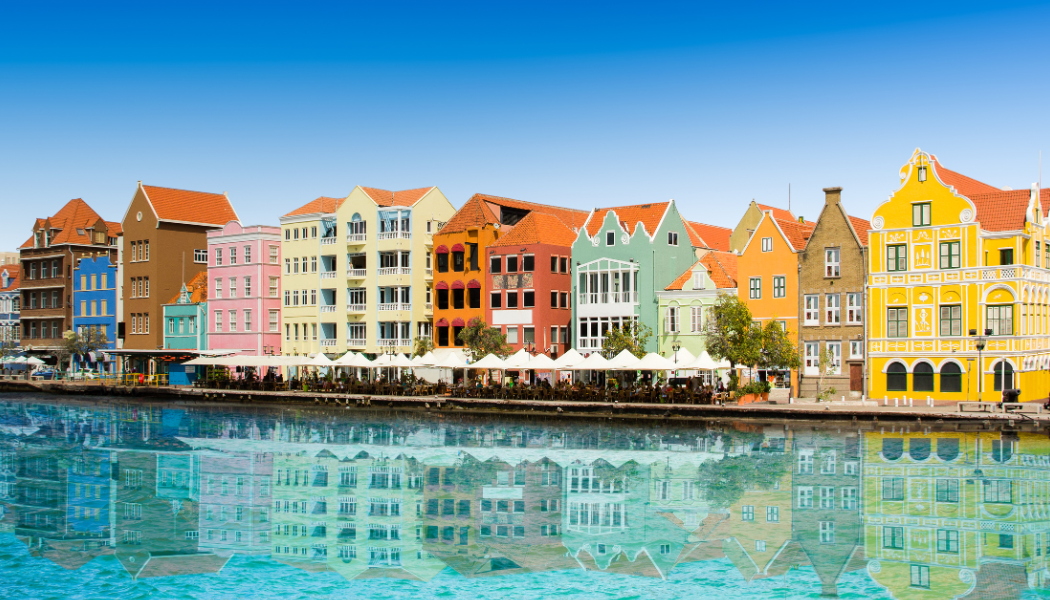 Curaçao |
|---|---|---|
| Best for | Long beaches and resort convenience | Willemstad, cove beaches and exploring |
| Beach style | Long, wide resort beaches | Smaller coves and bays |
| Main beach areas | Eagle Beach, Palm Beach | West-coast coves, Mambo, Jan Thiel |
| Main city | Oranjestad | Willemstad |
| Snorkeling | Shore sites plus many boat trips | Many shore-access coves |
| Diving | Reef and wreck diving available | Strong diving identity with shore sites |
| Resort experience | Concentrated around Palm & Eagle Beach | More spread out across the island |
| Getting around | Compact near resorts; car useful for exploring | Car especially useful for western beaches |
| Nightlife | Resort areas, casinos and bars | Pietermaai, Willemstad, Mambo, Jan Thiel |
| Landscape | Dry, flat and windswept | Dry, hillier and more varied |
| Wind | Generally windier | Also breezy; often less exposed than Aruba |
| Major day trip | Island tours and water activities | Klein Curaçao boat day |
| Ideal traveler | First-time visitors wanting beach + resorts | Independent explorers wanting city + coves |
Aruba or Curaçao: How to Choose
Think about what a normal vacation day should look like.
If you picture walking from your hotel onto a long beach, with restaurants and activities nearby and most of the week around one resort area, Aruba fits that style particularly well.
If you picture renting a car, driving between small beaches, snorkeling from different coves and spending an evening walking around a historic city, Curaçao fits that style particularly well.
| If You Want… | Choose | Why |
|---|---|---|
| Long resort beaches | Aruba | Miles of sand and easy hotel access |
| Beach hopping & coves | Curaçao | Knip, Cas Abao, Lagun and more |
| Shore snorkeling days | Curaçao | Many coves accessible without a boat |
| Nightlife & casinos nearby | Aruba | Concentrated around Palm Beach |
| City + beach combo | Curaçao | Willemstad is a primary attraction |
| Car-free resort week | Aruba | Easier logistics around the hotel strip |
| Boutique & apartment stays | Curaçao | Wider geographic mix of lodging |
Which Has Better Beaches: Aruba or Curaçao?
Aruba's Beaches
Aruba is known for long stretches of white sand with calm swimming along the western and southern coasts.
Eagle Beach and Palm Beach are the classic examples — wide sand, resorts nearby and easy full beach days.
Palm Beach is more developed, with hotels, restaurants, watersports and nightlife concentrated along the strip.
You can stay in this part of Aruba and build much of the vacation around the same area.
Curaçao's Beaches
Many of Curaçao's best-known beaches are small coves separated by rocky coastline, not one continuous resort strip.
Popular examples include Grote Knip, Cas Abao, Porto Mari, Playa Lagun and Playa Piskadó.
Visiting them often means driving from cove to cove — a beach day feels more like exploring than walking out of your hotel.
See the full best beaches in Curaçao guide for swimming and snorkel spots.
Verdict: Aruba for long sandy resort beaches and easy swimming days; Curaçao for cove-hopping, scenery and shore snorkeling.
Is Curaçao as Windy as Aruba?
Both islands get Caribbean trade winds, but Aruba is especially known for its persistent breeze — on beaches, while driving and in wind-shaped vegetation. That wind also supports windsurfing and kitesurfing.
Curaçao is not windless. Exposed coasts can still feel breezy. Travelers comparing the two commonly notice Aruba's wind more.
Prefer Aruba's breeze if you dislike still tropical heat or want wind sports. Prefer Curaçao if strong, constant wind bothers you. Conditions vary by day, season and location — neither island guarantees calm weather.
Verdict: Aruba is generally windier; Curaçao can feel less exposed, but both are breezy southern Caribbean islands.
Weather: Aruba vs Curaçao
Both have warm southern-Caribbean climates and sit south of the region most frequently hit by Atlantic hurricanes. That does not mean severe weather is impossible.
For most vacationers the practical differences are wind, rainfall on your dates and what you plan outdoors — not average temperature. Check historical conditions for your month and the forecast close to departure.
Verdict: Both are year-round southern Caribbean destinations with relatively low — but not zero — hurricane exposure.
Snorkeling and Diving: Aruba vs Curaçao
Snorkeling & Diving in Aruba
Aruba combines shore snorkeling with a large selection of boat excursions — sailing days that visit reefs, wrecks or coastal stops.
That fits a resort-centered trip: stay near the beach strip and book a dedicated snorkeling or diving day when you want one.
Scuba is available (reefs and wrecks), but Aruba's overall identity is more beach-and-resort than diving-first.
Snorkeling & Diving in Curaçao
Curaçao's advantage for independent snorkelers: many locations are accessible directly from shore — Playa Lagun, Porto Mari and other western coves fit a rental-car beach day.
Tugboat Beach is a well-known spot nearer Willemstad. Playa Piskadó is known for turtle sightings (never guaranteed; never touch or feed wildlife).
Curaçao also has a strong diving identity with numerous shore-access dive sites. Compare operators and lodging near the sites you care about.
Start with Curaçao snorkeling tours & spots.
Verdict: Curaçao for shore snorkeling and diving-focused exploring; Aruba for convenient boat snorkel trips alongside a beach-resort vacation.
Is Curaçao Cheaper Than Aruba?
There is no reliable rule that every Curaçao trip costs less than every Aruba trip. Final cost depends on flights, dates, hotel category, rental cars, restaurants, tours and resort spending.
| Expense | Aruba | Curaçao |
|---|---|---|
| Accommodation | Large resorts concentrated at Palm & Eagle Beach | Resorts plus boutique hotels, apartments and villas across more areas |
| Dining | Resort restaurants and beachfront dining add up | Same pattern — food budget follows where you eat |
| Transportation | Car useful for exploring; taxis/tours near resorts | Car often more important for western beaches |
| Activities | Catamarans, snorkeling, UTV, sightseeing | Similar mix plus Klein Curaçao as a full-day boat trip |
| All-inclusive | Several established options | Available — value depends on how much you leave the property |
Compare flight + accommodation + car + food + tours for the trip you would actually take — not hotel rates alone. Tour types are covered in best Curaçao tours.
Verdict: Neither island is always cheaper. Structure your budget around the trip style you want, then compare live prices.
Which Is Safer: Aruba or Curaçao?
Safety should not be reduced to declaring one entire island safer than the other. Both welcome large numbers of international visitors, and normal travel precautions apply on both.
On either island: don't leave valuables visible in a rental car, secure passports and cash, use normal caution after dark, follow local guidance and check current official travel advisories before departure.
Experience also varies by neighborhood and activity — a week inside a resort area differs from daily drives to remote beaches.
Verdict: Both islands are generally manageable for independent travelers with normal precautions. Neither should be described as categorically safer without current, location-specific information.
Things to Do: Aruba vs Curaçao
Aruba Activities
- Beach clubs, swimming and water sports
- Snorkeling and catamaran cruises
- Jeep and UTV adventures
- Arikok National Park and California Lighthouse
- Casinos, restaurants and nightlife around Palm Beach
Curaçao Activities
- Willemstad (Punda, Otrobanda, Handelskade)
- West-coast cove beaches and shore snorkeling
- Klein Curaçao full-day boat trip
- Diving, ATV and private island tours
- Evenings in Pietermaai, Mambo or Jan Thiel
Plan with Curaçao hub and best tours.
Verdict: Aruba for beaches, nightlife and convenient sightseeing; Curaçao for city culture, cove hopping and Klein Curaçao.
Aruba vs Curaçao for Families
Why Families Choose Aruba
Concentrated resort areas around Palm Beach and Eagle Beach keep beach, pool, restaurants and activities close — useful with younger children when you don't want every beach day to involve packing a car. See family-friendly Aruba activities.
Why Families Choose Curaçao
Curaçao suits families who enjoy exploring: rent a car and alternate Willemstad, west-coast beaches, snorkeling, nature and pool days. Villas and apartments around areas such as Jan Thiel can add living space.
Verdict: Aruba for easier hotel-to-beach family weeks; Curaçao for variety if your kids enjoy driving, different beaches and city days.
Nightlife: Aruba vs Curaçao
Aruba's visitor nightlife concentrates around Palm Beach and the hotel zone — bars, restaurants, casinos and beach venues. Going out is straightforward if you stay nearby. See Aruba nightlife and party buses.
Curaçao spreads evenings across Pietermaai and Willemstad for a city atmosphere, plus Mambo Beach and Jan Thiel for beach-area nights. Accommodation location matters more.
Verdict: Aruba for concentrated resort nightlife; Curaçao for evenings split between city and beach districts.
Where to Stay: Aruba vs Curaçao Resorts
Staying in Aruba
Palm Beach is a concentrated strip of large hotels connected to tourism infrastructure. Eagle Beach offers another major area with a different feel.
All-inclusive options exist — they make more sense when the resort itself is the vacation rather than days spent driving and dining off-property.
Staying in Curaçao
Lodging is more geographically dispersed: Willemstad, Pietermaai, Mambo Beach, Jan Thiel, Blue Bay and Westpunt produce very different trips.
Read where to stay in Curaçao before locking a hotel — location shapes the whole vacation.
Verdict: Aruba for a classic resort-strip stay; Curaçao for choosing a base that matches city, beach or west-coast exploring.
Culture: Willemstad vs Oranjestad
Both islands have Dutch Caribbean histories, but the visitor experience differs. Willemstad — Punda, Otrobanda, Handelskade and the Queen Emma Bridge — is a major part of a Curaçao trip and pairs naturally with beaches, snorkeling and a Klein Curaçao day.
Oranjestad is Aruba's main urban center, while many visitors spend more time around Palm Beach and Eagle Beach. Aruba still has culture and neighborhoods beyond the hotel zone — more resort-oriented tourism does not mean nothing exists outside resorts.
Verdict: If a substantial city-and-beach combination matters, Willemstad usually plays a larger role than Oranjestad in a typical itinerary.
Aruba vs Curaçao Without a Car
You can visit either island without a rental car, but location matters. Aruba's major resort areas can reduce how often you need a vehicle — beaches, restaurants and activities may already be nearby, with taxis and tours covering other days.
In Curaçao, Willemstad and Pietermaai are the easiest car-free bases; Mambo Beach can work for a beach-focused stay. Western beaches such as Grote Knip, Playa Lagun and Playa Piskadó are much harder without your own transport. See getting around Curaçao.
Verdict: Aruba is generally easier car-free near the resort strip; Curaçao rewards a rental car if western coves are a priority.
Aruba vs Curaçao for Couples
Aruba suits couples who want long beach days, resort convenience, nearby restaurants and nightlife. Curaçao suits couples who want boutique stays, Pietermaai restaurants, snorkeling, road trips, Willemstad, smaller beaches and optionally Klein Curaçao.
For a honeymoon, start with the property style — resort + long beach + convenience versus boutique hotel + restaurants + exploring + coves — then compare places that deliver that experience.
Verdict: Match the island to the atmosphere you want, not a generic "more romantic" label.
How Many Days Do You Need?
Three days: convenience matters more. Aruba can combine beach time, Oranjestad and one activity without huge distances. On Curaçao, keep it simple (e.g. Willemstad, west-coast beaches, one half-day activity) — only add Klein Curaçao if it is a top priority.
Five to seven days: either island works well. Five days on Curaçao fits Willemstad, west-coast beaches, snorkeling, Klein Curaçao and a slower day. A week lets you slow down on both islands without filling every day with organized tours.
How Far Is Aruba from Curaçao? Visiting Both
Aruba and Curaçao are approximately 70 miles (113 km) apart — part of the ABC islands with Bonaire. You generally cannot see one island from the other. Flying is the practical way to combine them; do not plan around a regular passenger ferry.
The flight itself is short, but airport procedures, baggage and ground transport still consume a meaningful part of a vacation day. A same-day visit is rarely a good use of time — several nights on each island works far better than treating Curaçao as a day trip from Aruba.
Example split: 4 nights Aruba + 4 nights Curaçao (or reverse). Aruba for long beaches and resorts; Curaçao for Willemstad, coves, shore snorkeling and optionally Klein Curaçao.
Aruba or Curaçao: Which Should You Choose?
Choose Aruba If...
- You want long resort beaches and easy swimming.
- You prefer concentrated hotels, restaurants and nightlife.
- You're a first-time Caribbean visitor seeking convenience.
- You're traveling with young children and want simple logistics.
- You may want a car-free week near Palm or Eagle Beach.
- Casinos and resort nightlife matter to you.
Choose Curaçao If...
- You want Willemstad plus beaches in one trip.
- You enjoy cove-hopping and shore snorkeling.
- You're comfortable renting a car to explore.
- Boutique hotels, apartments or villas appeal more than a casino strip.
- Klein Curaçao is on your shortlist.
- You want nightlife spread across city and beach districts.
Our Recommendation
For long beaches, resort convenience and concentrated nightlife, we'd choose Aruba.
For Willemstad, cove beaches, shore snorkeling and independent exploring, we'd choose Curaçao.
Or combine both — about 70 miles apart by air and complementary vacation styles.
Comparing All Three ABC Islands?
Aruba, Curaçao and Bonaire sit close together, but they suit different trips. Compare beaches, snorkeling, diving, families, resorts and how to visit more than one island.
Frequently Asked Questions
Aruba or Curaçao: which should I choose?
Choose based on vacation style rather than looking for an overall winner. Aruba offers long beaches and concentrated resort areas, while Curaçao combines Willemstad with smaller coves, snorkeling and more driving between attractions.
Is Curaçao as windy as Aruba?
Both islands receive trade winds, but Aruba is particularly known for persistent windy conditions. Curaçao can also be breezy, although travelers specifically bothered by Aruba's wind may notice a difference between the islands.
Is Curaçao cheaper than Aruba?
It depends on your dates and travel style. Compare current flights, accommodation, rental cars, restaurants and the tours you actually plan to book. Curaçao offers many apartments and boutique stays, while Aruba has a substantial concentration of large resort properties.
Which island has better beaches, Aruba or Curaçao?
They have different beach styles. Aruba is known for long sandy beaches such as Eagle Beach and Palm Beach. Curaçao is known for smaller coves such as Grote Knip, Cas Abao and Playa Lagun.
Is Aruba or Curaçao better for snorkeling?
Both offer snorkeling. Curaçao has numerous coves where snorkeling can be accessed directly from shore, while Aruba combines shore locations with a large selection of boat excursions.
Which is safer, Aruba or Curaçao?
Safety conditions change and shouldn't be reduced to one island-wide ranking. Use normal travel precautions on both islands and check current official travel advisories before departure.
Is Aruba or Curaçao better for families?
It depends on the family. Aruba's concentrated resort areas can simplify beach days with younger children. Curaçao can suit families who enjoy renting a car, exploring different beaches and combining snorkeling with Willemstad and nature.
Is Aruba or Curaçao better for couples?
Aruba suits couples looking for a resort-centered beach vacation, while Curaçao offers another style built around boutique stays, Willemstad, smaller coves and independent exploring. Both have luxury and romantic accommodation.
Is Aruba or Curaçao better without a car?
Aruba's main resort areas can make a car-free vacation relatively straightforward. In Curaçao, Willemstad and Pietermaai are the easiest bases without a vehicle, but a car is very useful for exploring western beaches.
Which has better nightlife, Aruba or Curaçao?
Aruba's visitor nightlife is concentrated around resort areas such as Palm Beach. Curaçao has nightlife and restaurants spread between areas including Pietermaai, Willemstad, Mambo and Jan Thiel.
How far is Aruba from Curaçao?
Approximately 70 miles (113 km) separate Aruba and Curaçao.
How long is the flight from Aruba to Curaçao?
The flight itself is short, but schedules and total travel time vary. Check current flights for your dates and allow additional time for airport procedures and ground transportation.
Is there a ferry from Aruba to Curaçao?
Travelers should not plan around a regular passenger ferry. Flying is generally the practical way to travel between Aruba and Curaçao.
Can you do a day trip from Aruba to Curaçao?
A same-day flight may be possible depending on schedules, but staying several nights is a much better way to experience Curaçao. Airport time makes a one-day visit inefficient.
Can you combine Aruba and Curaçao?
Yes. The islands are close enough to combine by air and different enough to complement each other. A multi-island trip of several nights on each is more practical than trying to visit one as a day trip.
Is Curaçao outside the hurricane belt?
Curaçao lies in the southern Caribbean, south of the main Atlantic hurricane belt. That doesn't mean tropical weather can never affect the island, so check forecasts and travel information for your dates.
Which island is better for a first Caribbean trip?
Consider what would make the first trip enjoyable for you. Aruba has concentrated resort areas and long beaches, while Curaçao involves more independent exploring if you want to experience its western coves and attractions.
Final Verdict: Aruba vs Curaçao
Aruba and Curaçao are both excellent ABC islands, but they suit different vacation styles.
Aruba is the better choice for long resort beaches, concentrated hotel zones, casinos and convenient beach-week logistics.
Curaçao is the better choice for Willemstad, cove beaches, shore snorkeling and independent exploring.
If you want both, fly between them and enjoy the contrast — not as a rushed day trip.