Donkey Sanctuary Aruba (2026 Guide): Family-Friendly Animal Rescue in Santa Cruz
A quiet inland sanctuary in Aruba where rescued donkeys roam freely—and families can actually interact with them in a calm, shaded setting away from the beaches.
One of Aruba’s most underrated hidden gems for families and animal lovers — an easy off-the-beaten-path stop inland in Santa Cruz.
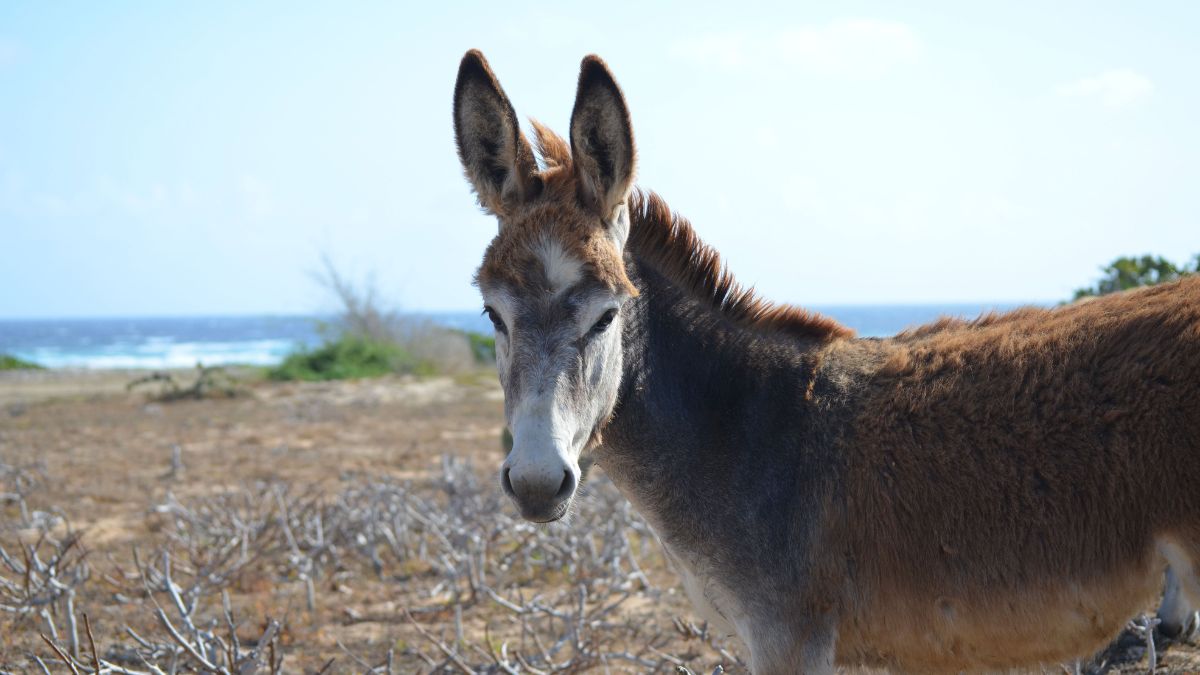
Easiest visit: half-day tour with pickup
One booking covers this sanctuary, the Ostrich Farm, and Philip’s Animal Garden — transport, entries, and a guide. Visiting on your own? Donations are welcome at the gate; details below.

Half-Day Aruba Animal Sanctuary Guided Tour
El Tours & Transfers Aruba
- 4-hour guided tour with professional guide
- Visits Donkey Sanctuary, Aruba Ostrich Farm, and Philip’s Animal Garden
- Hotel & port pickup and drop-off included
- Attraction admissions, bottled water, local taxes included
- Portion of proceeds donated to the sanctuaries
Affiliate Disclosure: Some booking links may earn us a commission at no extra cost to you.
What Is the Donkey Sanctuary Aruba?
The Donkey Sanctuary Aruba is a donation-supported rescue in Santa Cruz. More than a hundred donkeys that once roamed the island now live here with daily care — a legacy of centuries when donkeys were part of everyday Aruban life.
Unlike a commercial zoo, this is a rescue-driven sanctuary. Visitors are invited to connect, learn, and directly support the ongoing care of Aruba’s donkey population. For families, it’s one of the most relaxed and meaningful wildlife stops on the island.
Donkey Sanctuary vs Zoo Experience in Aruba
Unlike a traditional zoo, Donkey Sanctuary Aruba is a rescue-based environment where donkeys roam in large outdoor space and are cared for as residents — not displayed as entertainment exhibits. Visits are calm, shaded, and built around welfare and education rather than crowds and timed “shows.”
Why This Hidden Gem Is Worth Visiting
The sanctuary combines education, interaction, and conservation in a setting unlike any other Aruba attraction.
Family Experience & What to Expect
A typical visit to Donkey Sanctuary Aruba lasts 30 minutes to 1.5 hours, depending on how long you stay and how much you interact with the animals.
For kids, it’s often a highlight of the trip — simple, safe, and hands-on. It’s one of those rare places where children aren’t just entertained, they actually learn something meaningful about animal welfare.
The “Hug a Donkey” Experience
One of the most unique parts of the sanctuary is the opportunity to spend time up close with the friendliest donkeys in a calm, supervised setting.
Visitors can join a slow, guided interaction session where donkeys are brushed, petted, and calmly engaged with. The experience is designed to be relaxing rather than structured — almost like animal-assisted therapy in nature.
It’s especially popular with families looking for a softer, emotional wildlife experience instead of adrenaline-based tours.

Planning a family trip?
Kid-friendly beaches, calm water activities, practical logistics, and easy daily planning — plus our hand-picked tours for families.
Aruba’s animal sanctuary trio
Donkey Sanctuary Aruba sits on the same inland wildlife route as the Ostrich Farm and Philip’s Animal Garden — easy to string together for a low-key family day. Visit independently, or use the half-day tour for hotel pickup, admissions, and a single Viator checkout. More off-the-beaten-path ideas: hidden gems in Aruba. Compare all three in one place: Aruba animal sanctuaries & wildlife hub.
You’re hereDonkey Sanctuary Aruba
100+ rescued donkeys in a free-roaming Santa Cruz sanctuary — feeding, brushing, and the Hug a Donkey experience.
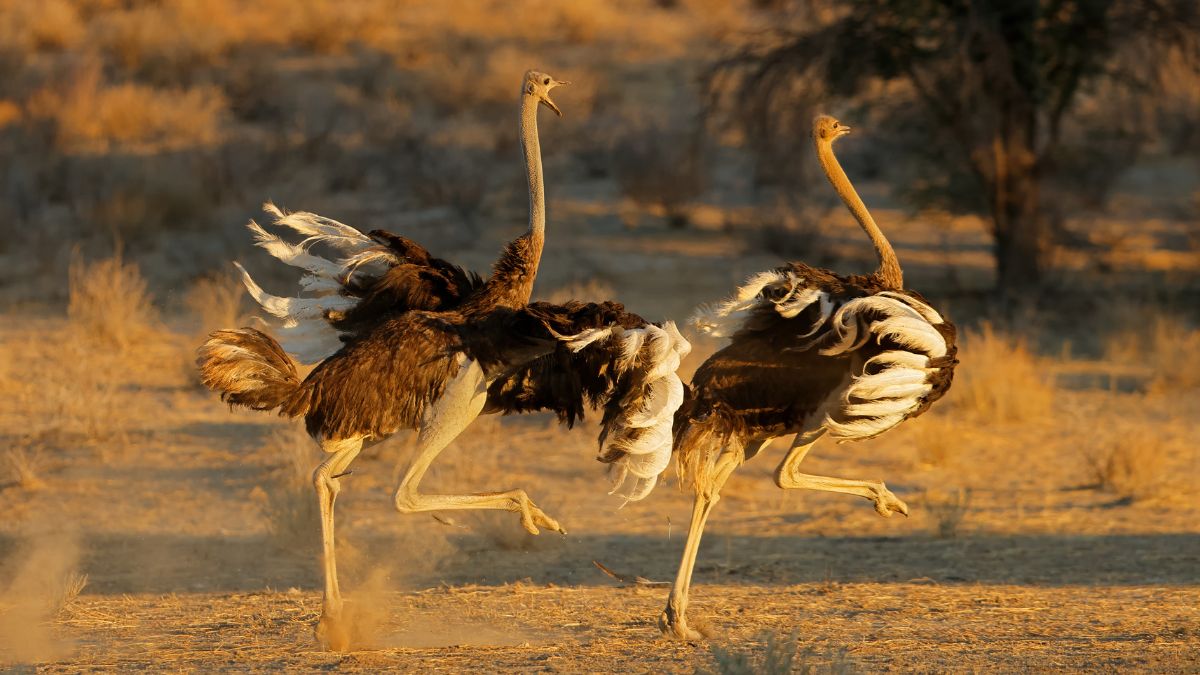
Aruba Ostrich Farm
Meet the 80-strong flock of the world’s largest living bird species on a guided farm walk.
Read the guide
Philip’s Animal Garden
A non-profit refuge for rescued and abandoned exotic animals — educational and family-friendly.
Read the guideOpening Hours
Donkey Sanctuary Aruba is open daily:
Best visited in the morning or late afternoon when temperatures are cooler and the donkeys are most active.
Location & How to Get There
Donkey Sanctuary Aruba is located inland in Santa Cruz, away from the main resort areas.
- ~20–30 min from Palm Beach
- ~25 min from Eagle Beach
- Easily reachable by taxi or guided tour
If visiting independently, see also our Aruba taxi guide or the Arubus public transportation guide.
Tips for Your Visit
Bring carrots or apples
Optional, but the donkeys absolutely love a snack. Keep portions small and let staff guide you.
Wear comfortable shoes
The terrain is natural and not paved throughout. Closed shoes or sturdy sandals are best.
Sunscreen and water
Shaded seating exists, but Aruba is sunny year-round. Pack reef-safe SPF and a refillable bottle.
Allow extra time with kids
Children often want to linger. Plan 1–1.5 hours so nobody is rushed.
Donations make a difference
Donations directly support animal care, food, and veterinary needs — every contribution counts.
Combine with other Santa Cruz stops
Pair with Ayo or Casibari rock formations and the Aruba Ostrich Farm for a relaxed inland half-day.
Why It’s Considered a Hidden Gem
Many travellers skip Donkey Sanctuary Aruba because it isn’t heavily advertised — but it consistently becomes one of the most memorable stops for families. It offers something rare in Aruba:
- No crowds
- No rush
- No commercial pressure
- Quiet, meaningful interaction with rescued animals
It’s especially valuable as a contrast to Aruba’s beach and water-based activities.
Best For
FAQs About the Donkey Sanctuary Aruba
Where is the Donkey Sanctuary in Aruba?
Inland in Santa Cruz — roughly 20–30 minutes from Palm Beach and about 25 minutes from Eagle Beach. Easily reached by taxi or as part of a guided half-day animal sanctuary tour.
Is the Donkey Sanctuary in Aruba worth visiting?
Yes — especially for families and travellers looking for a calm, meaningful break from beaches and resorts, or for anyone who prefers a rescue-based wildlife stop over crowded attractions.
How much does it cost to visit the Donkey Sanctuary Aruba?
Entry is donation-based — there is no fixed admission fee. Donations directly fund food, vet care, and habitat maintenance for the rescued donkeys.
What are the opening hours?
Donkey Sanctuary Aruba is open daily from 9:00 AM to 4:00 PM. Early morning and late afternoon are cooler and the donkeys are most active then.
Can you feed and pet the donkeys?
Yes — visitors can gently pet the donkeys and feed them with carrots or apples brought from outside. Sanctuary staff guide visitors on safe interaction.
Is the sanctuary good for kids?
Yes — it’s one of the most family-friendly stops on the island, especially for ages 3–12. Calm, hands-on, and meaningful rather than commercial.
What is the Hug a Donkey experience?
A relaxed, supervised session where visitors brush, pet, and quietly engage with the friendliest donkeys. It feels closer to animal-assisted therapy in nature than a structured tour.
What is the best tour to visit the Donkey Sanctuary?
The 4-hour Half-Day Aruba Animal Sanctuary Guided Tour by El Tours & Transfers ($57) combines Donkey Sanctuary Aruba with the Aruba Ostrich Farm and Philip’s Animal Garden, with hotel pickup, drop-off, and admissions included.
Final Thoughts
The Donkey Sanctuary Aruba isn’t about spectacle — it’s about connection. A place where children learn empathy, adults slow down, and visitors leave with a completely different side of Aruba than the beaches alone can show. For families building a balanced itinerary, it fits perfectly between adventure tours and beach days.
Related Hidden Gems & Family Guides

Sea Glass Island Aruba: Complete Guide to Finding Seaglass Treasures
A secluded off-coast island reachable only by kayak or boat, scattered with colourful weathered sea glass.
Read guide →Best Family-Friendly Activities in Aruba (2026)
Kid-friendly tours, calm-water snorkels, photoshoots, and animal-encounter days for families travelling with children.
Read guide →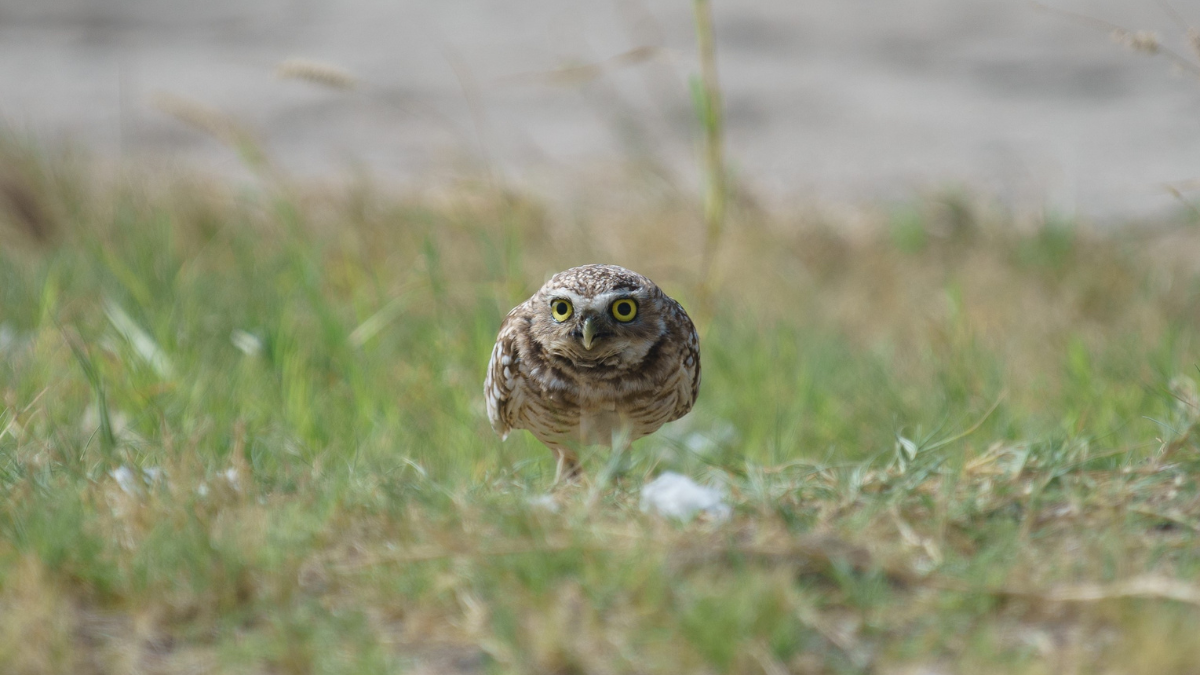
Exploring Aruba’s North Coast Responsibly (2026 Guide)
Guided Jeep tours, horseback rides, e-bikes, and lower-impact ways to enjoy Aruba’s rugged inland and north coast.
Read guide →Related guides
A few more Hidden Gems reads that pair with this page.
Sea Glass Island Aruba: Complete Guide to Finding Seaglass Treasures
Discover Sea Glass Island Aruba - the ultimate destination for sea glass hunting. Learn how to get there by kayak or boat, what to bring, where to find sea glass, and book the best tours.
Aruba Ostrich Farm (2026 Guide): Feeding Giants of the Caribbean Desert
Guided tours with ostriches and emus in Paradera, Savana Lodge, gift shop, hours, entry fees, family tips, and the half-day animal sanctuary tour with Donkey Sanctuary Aruba and Philip’s Animal Garden.

Blackstone Beach Aruba (2026 Guide): Hidden Black-Stone Bay Near Andicuri
Black volcanic pebbles, sunrise photography, and solitude near Andicuri — how to reach this north coast hideaway, 4x4 vs hiking context, and the Dusk till Dawn sunrise hike with breathwork & meditation on the stones.

Bushiribana Gold Mill Ruins Aruba (2026 Guide): Forgotten Gold Rush Landmark
Bushiribana Gold Mill Ruins — 19th-century north coast landmark, free open-air site, photography and sightseeing loops (Natural Bridge, Alto Vista, Andicuri). History, bus vs Jeep context, bookable tours; ATV not featured — see responsible north coast guide.
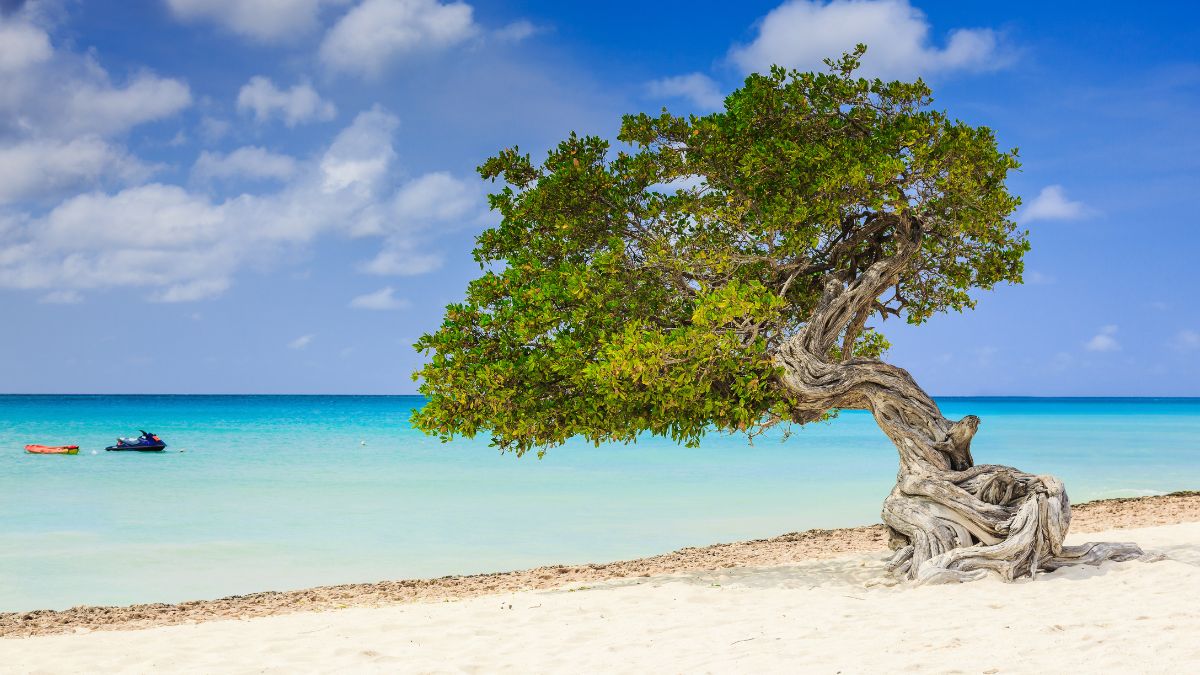
Fofoti Tree Aruba (2026 Guide): The Island’s Most Famous Wind-Shaped Tree
The Fofoti Tree near Eagle Beach — Aruba’s wind-sculpted photo landmark: sunrise and sunset lighting, how to get there, nearby beaches, respectful visiting tips, and how to plan a professional photoshoot.