Aruba Family Travel: Beaches, Resorts & Realistic Itineraries
This is your Aruba family vacation hub—built for parents searching Aruba with kids, calm beaches Aruba, and family beaches Aruba without generic fluff. You will find best beaches in Aruba for families with practical friction points (shade, bathrooms, strollers), age-based pacing for Aruba with toddlers through teens, a sample itinerary, resort starting points, and tour comparisons that point to real bookings.
Use the cards below to lock in activities and gear, then scroll for decision-depth: areas, budgets, bad-weather backups, and the mistakes that quietly ruin family trips.
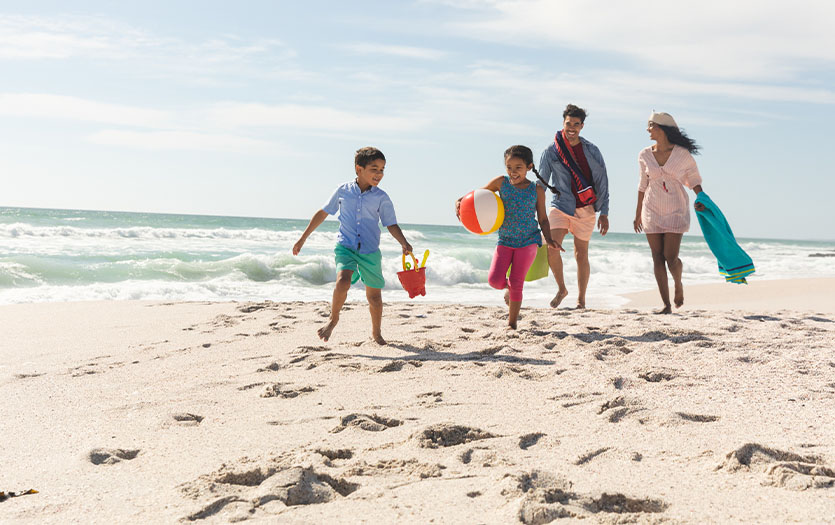
Quick family planning framework
- 1) Pick your stay area around beach style and walkability.
- 2) Book one anchor activity per day, not three.
- 3) Keep a flexible half-day for rest and weather shifts.
- 4) Prepare family essentials (sun, hydration, child gear) before arrival.
Family essentials to book first
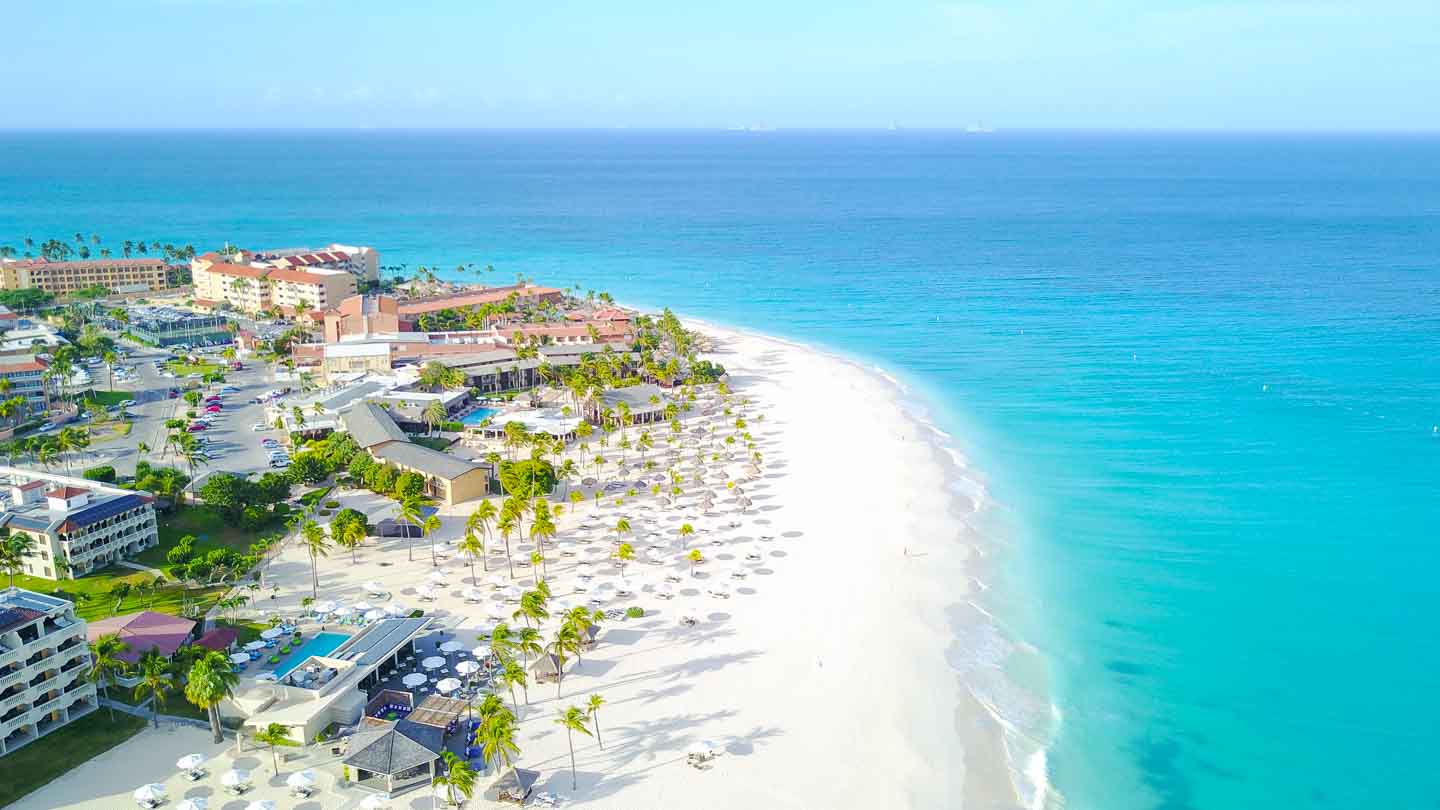
Common family planning misses (preview)
- Noon beach blocks without shade or hydration plan.
- Overscheduling and skipping daily rest windows.
- Forgetting reef shoes, rash guards, or insulated water bottles.
- Relying only on taxis for a multi-stop family day.
- Assuming every popular restaurant will seat a walk-in at sunset.
Full parent mistake list in the planning section below.
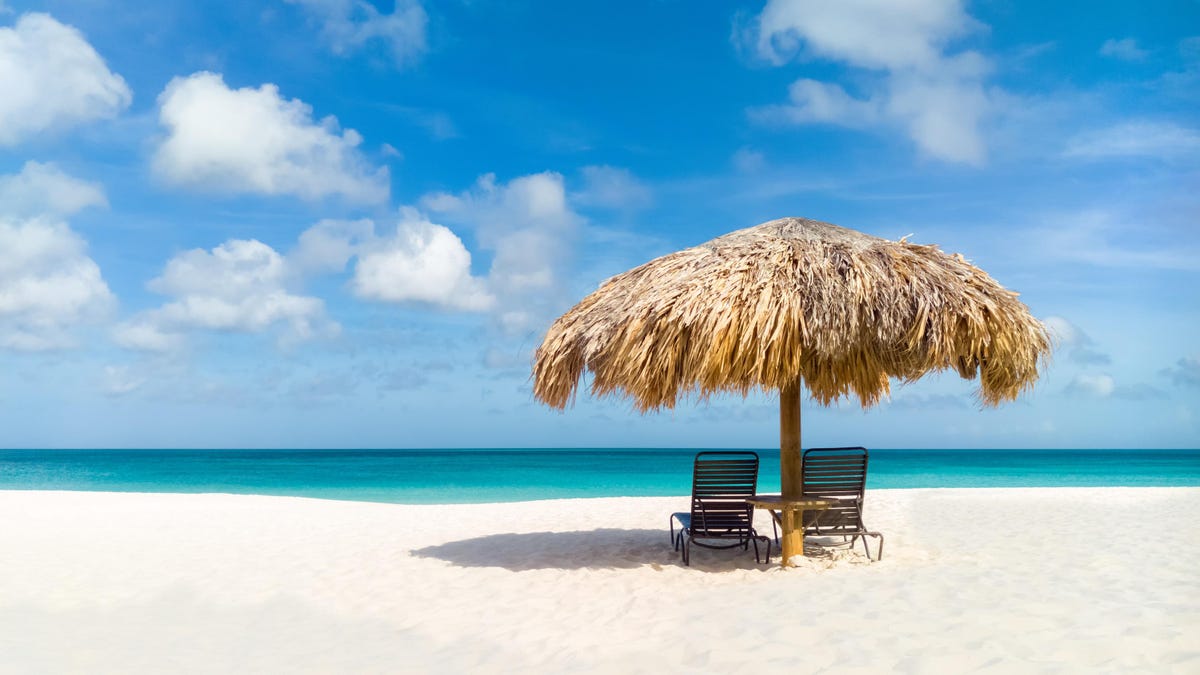
Beach gear rentals in Aruba (Coconut Rentals)
Families often need more beach setup than expected: shade, seats, cooler space, and simple activity gear. Coconut Rentals helps you cover that without carrying extra luggage.
Reserve beach chairs, umbrellas, snorkel sets, toys, and add-ons in advance so beach days stay smooth and lower-stress from the start.
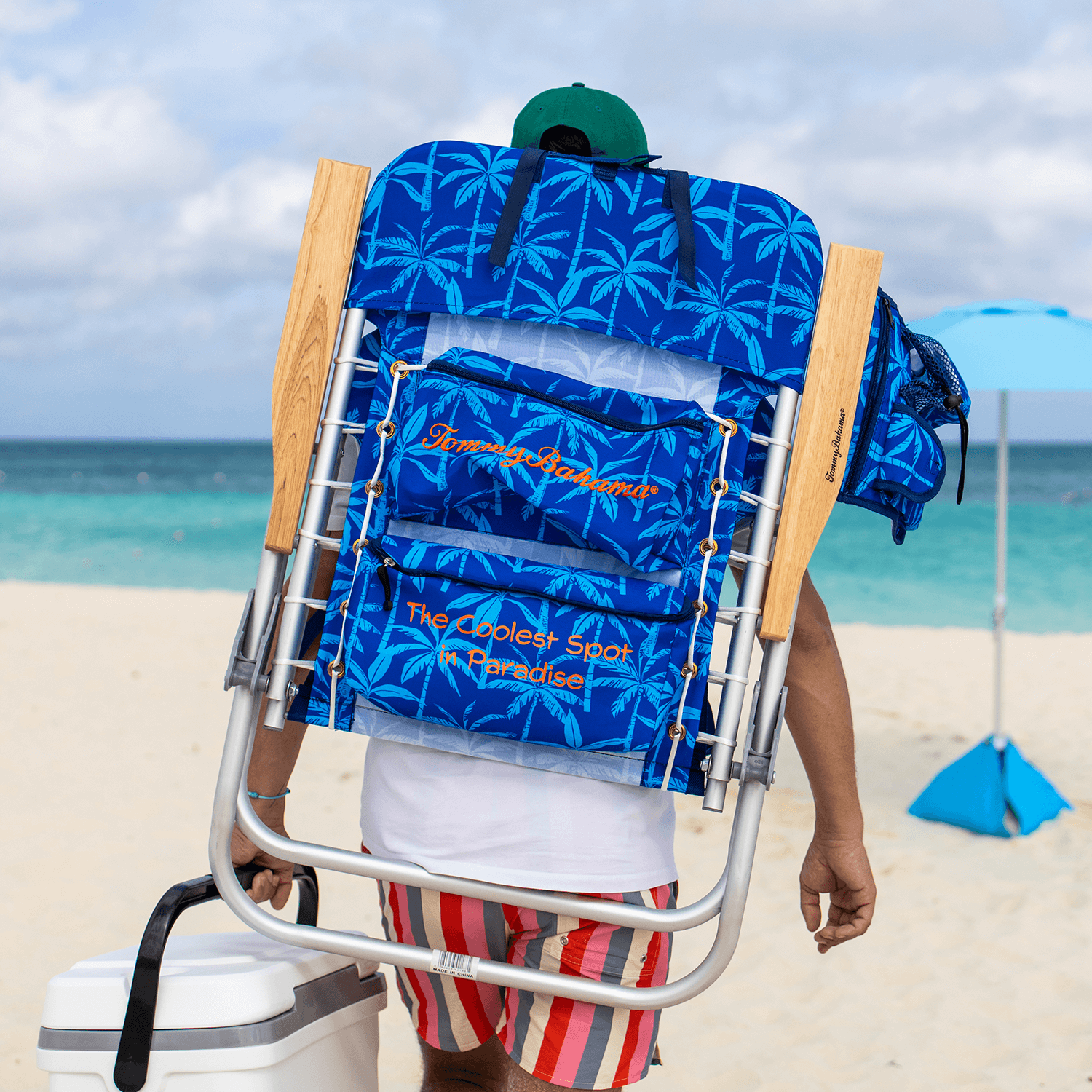
Aruba beach gear rentals
Coconut Rentals delivery for family beach chairs, umbrellas, snorkel sets, and beach extras.
Open guideFamily tipping guide (restaurants, tours, staff)
Families hit more small service moments each day: restaurant checks, baggers, housekeeping, guides, and drivers. This guide helps you keep gratuity clear and predictable.
Use the Aruba tipping guide for simple tip ranges for family travel: dining, taxis, housekeeping, and tour crews.
Complete family planning context
Start with activities, baby gear, and transport cards above—then use this for beaches, ages, itinerary, budgets, backups, tours, resorts, and mistakes.
Best beaches in Aruba for families
Conditions change with wind and swell—verify day-of. For more beach strategy, see best beaches in Aruba and snorkeling in Aruba.
Baby Beach (south)
- Waves: often calmer inside the lagoon—still supervise; wind days can change the feel fast.
- Shade: limited natural shade; bring umbrella or rent/borrow gear (beach gear rentals).
- Bathrooms / food: casual food vendors and basic facilities—arrive with snacks and wipes.
- Stroller: okay near parking and paths; deep sand fights wheels—carrier backup helps.
- Snorkeling: beginner-friendly when calm; watch boat traffic and boundaries.
- Parking: can fill on busy days—early arrival wins.
Eagle Beach
- Waves: usually swimmable; wind can stir chop—floaties are not a substitute for eyes-on supervision.
- Shade: palapa competition is real; plan morning setup or bring shade.
- Bathrooms / food: services exist along stretches; not uniform—scout your access point.
- Stroller: great on paved strips; sand transitions are work—travel stroller or wagon strategy.
- Snorkeling: not the island's headline snorkel beach, but kids can still spot fish near rocky pockets on calm days.
- Parking: roadside pockets—watch signs and avoid blocking access.
Palm Beach
- Waves: often moderate and fun for splashing; resort fronts vary.
- Shade: mix of palapas, resort umbrellas, and rental options—budget time to secure it.
- Bathrooms / food: strongest convenience—restaurants and shops nearby.
- Stroller: easiest "city + beach" logistics for families.
- Snorkeling: not the main reason you pick Palm—treat it as swim and play sand.
- Parking: hotel guests walk; day visitors should plan paid/lot options honestly.
Arashi Beach (north)
- Waves: often pleasant for confident swimmers—still watch littles closely.
- Shade: bring your own; fewer built-in services than hotel strips.
- Bathrooms / food: minimal—pack a cooler mindset.
- Stroller: short carries from parking; plan lighter loads.
- Snorkeling: popular for beginners on calm days—check conditions.
- Parking: compact dirt lot vibes—arrive earlier on pretty-weather days.
Mangel Halto
- Waves: often sheltered by mangroves—beautiful, but not a classic wide sand playground.
- Shade: some tree cover; still plan hats and water.
- Bathrooms / food: limited—go prepared.
- Stroller: uneven entries; better for mobile kids with water shoes.
- Snorkeling: strong draw for families with water comfort—read safety notes in our snorkel guide.
- Parking: tight roadside etiquette matters—don't block driveways.
Age-based Aruba travel tips
Aruba with toddlers (and babies)
Ideal activities: short beach windows, shallow-water playgrounds like De Palm Island (check nap timing), gentle animal-sanctuary mornings, pool afternoons. Realistic pacing: one anchor, long lunch, real nap. Parents underestimate: heat crankiness on day one—soften arrival day. Stay: Eagle or Palm for services; Savaneta is romantic but longer drives with car seats add up. Transport: rental car often wins for cooler storage and gear—see car rentals.
Aruba with young kids (roughly school age)
Ideal activities: beach + one daily experience— pirate-style snorkel sails, tube rides where age allows, easy nature stops. Pacing: morning adventure, afternoon recovery. Underestimated: sun + wind burn even when it feels breezy. Stay: Palm if you want walk-to dinner; Eagle if you want quieter sand time. Transport: mix tours with hotel pickup and a few self-drive beach hops.
Aruba with teenagers
Ideal activities: longer snorkel sessions, UTV and jeep-style tours if operators match your comfort level and minimum ages, sunset catamarans, photo-worthy beach hops. Pacing: they handle more hours—still schedule food and shade. Underestimated: boredom gaps between "big" days—give them one flexible "choose the beach" block. Stay: Palm for social energy; Noord villas if you want space. Transport: car helps teens explore without chaining the whole family to one taxi quote.
Realistic 5-day Aruba family itinerary
Template for Aruba with kids—swap days for weather and jet lag.
Day 1 — Arrive + Eagle Beach sunset
Light beach time, early dinner, early bed. No hero tours.
Day 2 — Morning beach + De Palm Island
One big all-day anchor; hydrate aggressively. Book De Palm Island ahead in peak weeks.
Day 3 — Slow morning + snorkel or calm beach
Mangel Halto or a repeat favorite from the beach list—keep transitions short.
Day 4 — Half-day tour + pool
Animal sanctuary route or a family boat trip from family-friendly activities—afternoon resort or villa downtime.
Day 5 — Sunset sail or north beach + easy dinner
If kids handle evenings, add sunset cruises; otherwise do Arashi late afternoon and pack early.
Best areas in Aruba for families (where to stay)
- Palm Beach: highest walkability, most family restaurants, louder evenings, easiest "no car" trip—if you accept resort-strip energy.
- Eagle Beach: calmer sand, less dense, still strong dining nearby; stroller life is doable but plan palapa strategy.
- Noord: villas and rentals—space for packs of kids, but grocery runs and a car matter; parking beats lobby elevators at night.
- Oranjestad: urban access, shopping, cruise-day bustle; beach is a drive unless you pair it with a hotel shuttle plan—great for culture mix, not pure beach minimalism.
- Savaneta: quieter local dining charm; longer transfers to main beaches—best for families who enjoy driving and slower evenings.
Compare strips: Palm vs Eagle. Browse stays: accommodation, all-inclusive hotels, hotels guides.
Realistic Aruba family costs (rough planning bands)
Illustrative USD thinking for budgeting conversations—not a quote. Flights move totals more than anything.
- Groceries + snacks: ~$150–$350/week for a family mixing breakfast in-room and simple lunches (highly variable). To stock the room without extra taxi or rental runs, see our Aruba grocery delivery guide.
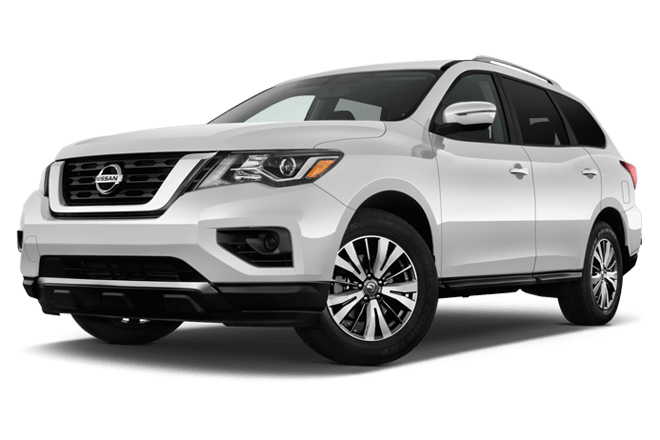
- Rental car (compact SUV / minivan class): often ~$45–$120/day plus fuel—compare early.
- Beach chairs / umbrella delivery: often ~$25–$60/day equivalent—see Coconut Rentals.
- Family dinners on the strip: easy to hit ~$80–$200+ for four with drinks; splurge nights go higher.
- Excursions: half-day tours often land ~$60–$120/adult and reduced child pricing varies—model two paid experiences per week plus beach days.
Tactics: Aruba on a budget. For practical restaurant, taxi, and tour crew tip ranges with kids in tow, use our Aruba tipping guide.
Windy or rainy days in Aruba with kids
Wind is normal; rain is usually short—but plans should flex. Good backups: animal sanctuary tours (mixed indoor/outdoor), Oranjestad for indoor dining and shopping, a butterfly farm visit (verify hours), shorter hotel-pool sessions, and low-expectation movie or game time. Treat it as a shorter activity day, not a replacement beach marathon.
Ideas hub: best family-friendly activities, broader picks in tours & excursions.
Best family tours: quick comparison
Use this to match age, shade, and energy—then book early for peak weeks. Families who want to choose their own stops can book the private customizable island tour with Chogogo Tours: four hours, advertised as private for up to 15 travelers, with infant seats available. Confirm seating and whether the $420 starting price is per person or per booking.
ArubaBuddies may earn a commission when you book through links on this page, at no extra cost to you.
| Tour / experience | Best age | Duration | Shade | Energy |
|---|---|---|---|---|
| De Palm Island | Toddler–teen | Full day | Mixed / partial | Medium–high |
| Pirate / snorkel family sails | ~5+ (verify) | Half day | Limited on deck | Medium |
| Animal sanctuary tour | Toddler–teen | Half day | Bus + outdoor | Low–medium |
| ATV / UTV / jeep-style tours | ~8+ typical | Half day | Low | High |
| Shore snorkeling + beach | Varies | Flexible | Umbrella-dependent | Medium |
| Private customizable island tour | Families and groups; confirm infant seats | 4 hours | Depends on stops | Flexible |
| Sunset catamaran | School-age+ | ~2–3 hr | Limited | Low–medium |
Book before you land (high conversion path)
Lock the experiences that sell out first—then fill beach days. Insurance and transport protect the plan when someone spikes a fever or a flight shifts.
What families forget to pack for Aruba
- Rash guards for kids (and adults)—sun wins faster than you expect.
- Insulated water bottles + electrolyte packets; heat sneaks up in the breeze.
- Portable stroller fan or clip fan for naps in warm air.
- Reef-safe sunscreen + lip SPF + after-sun (reef-safe guide).
- Water shoes for rocky entries (water shoes).
- Compact sand toys—cheap to buy locally, but nice to have on day one.
Master list: Aruba essentials; baby gear: baby equipment rentals.
Best family resorts in Aruba (starting shortlist)
Use this as a commercial orientation—verify current family programs, room categories, and promotions before booking. Official hotel pages change seasonally.
- Hyatt Regency Aruba Resort Spa: Palm Beach polish, strong pools, walk-to dining density—premium pricing but high convenience.
- Marriott's Aruba Surf Club: timeshare-style residences with kitchen options; great for families who want space and meal control on busy strips.
- Divi Aruba Phoenix: beachfront high-rise vibe with familiar all-inclusive options nearby in the Divi ecosystem—compare meal plans honestly.
- Tamarijn Aruba: low-rise, oceanfront rooms on a different energy curve—families who want sand steps away without tower chaos.
- Holiday Inn Resort Aruba: value-conscious beach access with family-friendly pacing— great anchor for budgets that still want strip access.
Dig deeper: all-inclusive hotels, accommodation directory.
Common Aruba family mistakes (full list)
- Beaching through noon heat without shade rotation.
- Overscheduling and skipping the daily rest window kids secretly need.
- No shade plan—palapas are not guaranteed.
- Forgetting reef shoes and paying in whining + scrapes.
- Taxi-only transport for a week of scattered plans—costs explode.
- Ignoring restaurant reservations on celebration nights.
- Late booking for sunset sails and De Palm-style capacity days.
- Wrong area choice—party strip energy vs quiet kids—mismatch exhausts everyone.
Why Aruba stays unusually family-friendly
Infrastructure, English, USD familiarity, and swimmable beaches reduce parent anxiety—but only if you respect heat, wind, and kid pacing. The families who love Aruba treat beach time as the headline and everything else as bonus. Keep one anchor per day, rent gear instead of hauling the kitchen sink, and book the high-demand experiences before you promise them out loud.
FAQ
Is Aruba good for families with young children?
Yes. Aruba is one of the easiest Caribbean islands for family travel because of calm beaches, strong tourism infrastructure, and short transfer times from main stay areas.
What are the best areas in Aruba for family stays?
Eagle Beach is often best for quieter family stays. Palm Beach is better for families who want more restaurants and convenience close by.
Do we need a car for a family trip to Aruba?
Many families find a rental car helpful, especially for flexible schedules, nap-time resets, and beach-hopping without relying on fixed transfers.
What should families book before arriving in Aruba?
Book your stay, top family-friendly activities, and any baby gear rentals before arrival to avoid peak-period availability issues.
What age is Aruba best for?
Aruba works well across ages, but planning changes: toddlers need shade and nap windows, school-age kids benefit from simpler beach days mixed with one activity, and teens handle longer outings if you hydrate and pace heat.
Are Aruba beaches safe for kids?
Many beaches are calm and swim-friendly, but conditions vary by day and location. Always supervise closely, watch flags and currents, and use flotation thoughtfully—not as a substitute for supervision.
Should families bring a stroller to Aruba?
A lightweight stroller can help in airports and towns, but sand can make beach use frustrating. Many families combine a carrier for beach days with a stroller for paved areas, or rent gear locally.
What are the calmest beaches in Aruba for kids?
Baby Beach is famous for shallow, protected water on calm days—still supervise closely. Eagle and Palm offer wide sand and services, while Mangel Halto and Arashi can be excellent for snorkeling families when conditions are right. Always check flags, wind, and currents day-of.
What can families do in Aruba on a rainy or very windy day?
Shift to shorter indoor-friendly blocks: animal sanctuary tours with covered transport, Oranjestad shopping and indoor dining, a butterfly farm visit (check hours), hotel pools, or a relaxed movie and early dinner. Windy days are common—plan flexible backups.
Is Aruba expensive for a family vacation?
Families feel costs most in dining, transfers or rental cars, and multi-person excursions. Groceries and beach rentals help control spend. Mix resort meals with simpler lunches, book signature tours early, and use our budget guide for levers—not guilt.