Aruba for Beginners: Your First-Trip Travel & Vacation Planning Guide
If this is your first trip to Aruba, you are not just looking for an Aruba travel guide—you want to picture the vibe before you commit. This hub is built for Aruba vacation planning and Aruba travel tips in one place: what the island actually feels like, where to stay, how to move around, what food costs imply, and a realistic Aruba itinerary you can steal.
Think of it as your primary Aruba planning guide: book the essentials from the cards below, then use the long sections for pacing, beaches, dining expectations, and the mistakes first-timers regret.
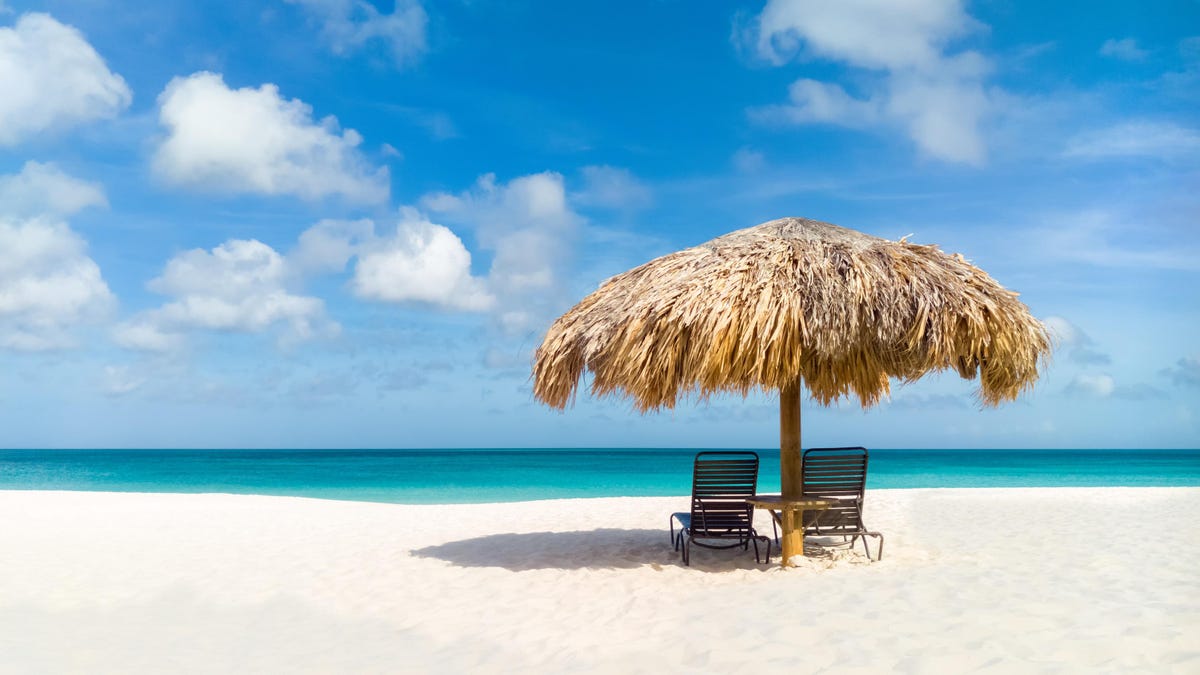
Quick first-time plan
- 1) Choose your area first: Palm Beach vs Eagle Beach.
- 2) Book your top 1-2 tours before arrival (sunset/private tours can sell out).
- 3) Keep one “open” day for weather, energy, and spontaneous picks.
- 4) Plan transport early: rental car or transfer-heavy itinerary.
What first-time visitors should expect in Aruba
Picture dry air and steady trade winds—they keep afternoons tolerable but can kick sand, snap umbrellas, and make you underestimate sun exposure. Beaches are the social heart of the trip: morning calm, afternoon sparkle, and a sunset rhythm that feels built into the week. Tourism is Americanized in the resort zones (USD everywhere, familiar brands, high service standards), while smaller local pockets still show Aruban character if you explore.
Most first-timers describe Aruba as easy and relatively safe-feeling for a Caribbean destination: English is widely spoken, signage is friendly to visitors, and the island is small enough that you learn the geography fast—yet you still deal with real island logistics (parking, heat, occasional waits, and restaurant pacing). Dining and drinks can feel expensive compared with home; budget mentally for that so the bill does not sour a great day.
Why first-time travelers choose Aruba (and how it compares)
People comparing Aruba vs Mexico, Punta Cana, Jamaica, Hawaii, or the Bahamas often land here for a simple reason: predictable swimmable beaches, lower hurricane anxiety than much of the Caribbean, and straightforward logistics (English, USD, compact driving). It is not the cheapest island—but for many Aruba first-time visitors, the trade is fewer weather gambles and less friction. See storm context in hurricanes in Aruba and timing in best time to visit Aruba.
Best areas for first-time visitors to stay
Your Aruba travel planning starts with neighborhood fit—not only the hotel star rating. Match the zone to how you want to spend evenings and how much you want to drive.
Palm Beach
The classic high-energy strip: resorts stacked along the sand, nightlife, casinos, and walkable dining. Best if you want tourists-without-chaos energy and minimal thinking after dark.
Palm vs Eagle deep diveEagle Beach
Quieter and wider—a favorite for couples and families who want beach-first days and less density. You still get excellent dining nearby, but the default pace is calmer than Palm.
Browse stays near EagleNoord and villa pockets
Great when you want rentals, villas, or residential calm slightly off the main hotel row. A car is often helpful for beach hopping and grocery runs—plan parking and driveway access when you book. Many guests also use grocery delivery to the hotel or rental; see the Aruba grocery delivery guide.
Hotels & areas hubOranjestad
City rhythm: shopping streets, cruise-day energy some afternoons, and a more local feel than the resort strip. Strong if you like walking to cafés and mixing beach days with urban exploration—often paired with a short drive to west-coast beaches.
Landmarks & sightsWhat to book before arrival
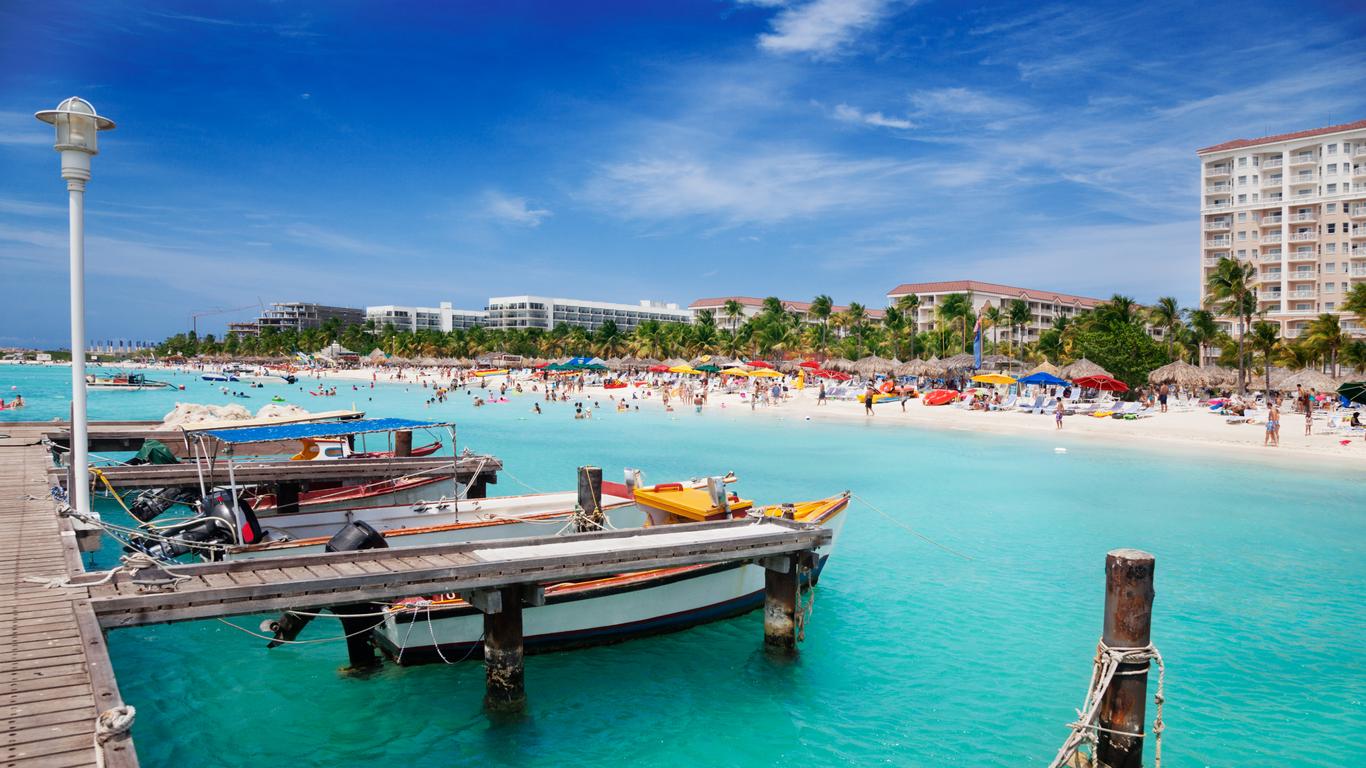
Top tours and excursions
Secure your highest-priority tours first, then fill remaining days around them.
Open guide
Airport and entry logistics
Handle ED Card and arrival planning before you land to avoid day-one stress.
Open guide
Trip protection
Medical and evacuation coverage matters for Aruba activities and water sports.
Open guide
Car rentals in Aruba
Compare options and decide if a car improves your first Aruba trip flow.
Open guideBeach gear rentals in Aruba (Coconut Rentals)
First-time visitors usually overpack bulky beach items they only need for a few days. Coconut Rentals lets you keep luggage light and still have the essentials waiting for your beach days.
You can rent chairs, umbrellas, snorkel sets, coolers, and beach games with local delivery, so you avoid buying one-time gear after you arrive.
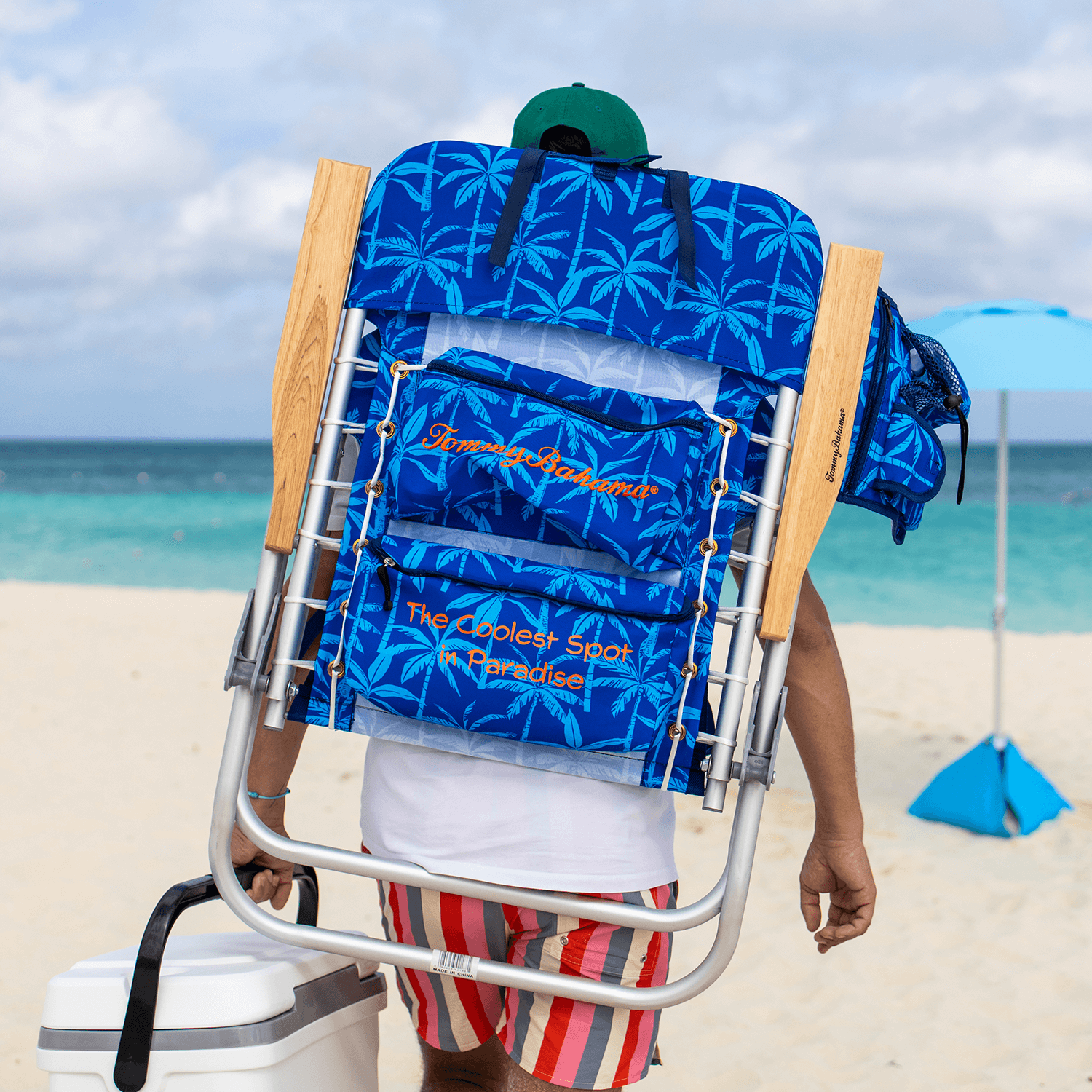
Aruba beach gear rentals
Coconut Rentals delivery for chairs, umbrellas, snorkel gear, and beach-day extras.
Open guideBudget reality check
Aruba can feel expensive when everything is last minute. Most first trips improve when you lock lodging and one or two anchor bookings early, then keep food and transport simple so costs stay predictable.
- Book your stay and must-do tours before peak weeks squeeze availability.
- Reserve sunset sails and celebration dinners early—walk-ins fail often on pretty nights.
- Mix supermarket meals with a few intentional dinners; skip strip dining every single night. For delivery options (Super Food, GroceriesToGo, restaurant apps), read the Aruba grocery delivery guide.
- Compare a week of taxis to a rental car if you will beach-hop outside your zone.
- Use free anchors—beaches, sunset viewpoints—between paid excursion days.
Daily ranges, sample totals, and money leaks—full breakdown on the hub below.

Budget Guide
Aruba on a Budget (2026): Stays, Tours, Transport & Gear
Daily cost checks, cheap anchors, airport shuttles, half-day tours, and first-trip money leaks in one hub.
Open budget guideFirst-time mistakes (preview)
Most friction on a first Aruba trip is not “too little to do”—it is pacing, heat, and assumptions about distance. A lighter schedule usually feels more luxurious than a packed one.
- Overbooking tours and leaving no room for wind, heat, or travel recovery.
- Skipping early reservations for sunset sails and popular tables.
- Assuming everything is walkable from every hotel—Aruba is small, but not that small.
- Underestimating sun and wind burn on day one.
- Picking a stay zone that fights your evening style (quiet vs lively).
Full mistake list and fixes—in the planning section below.

Packing Guide
Aruba Essentials 2026: What to Bring, Pack & Wear
Reef-safe SPF, hydration basics, beach footwear, and practical day-trip prep for first-time visitors.
Open packing guideNext guides to open
Aruba first-time guide
Complete first-timer walkthrough and practical local tips.
Open guide
Best beaches in Aruba
Match beach type to your traveler profile and plans.
Open guide
Family travel path
Kid-friendly plans, easier logistics, and calmer choices.
Open guide
Aruba tours guides
High-intent tour pages that convert to better bookings.
Open guide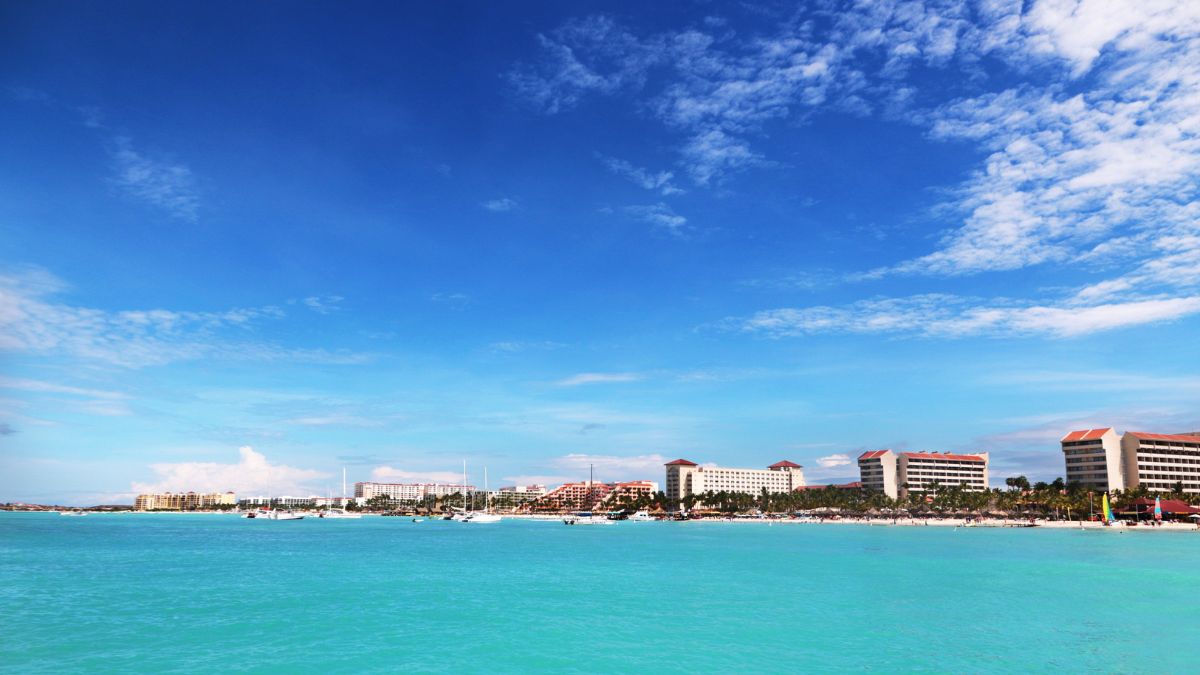
Aruba hotels guides
Area and stay-style guidance for better accommodation fit.
Open guide
Aruba travel tips
Airport, weather, safety, and planning logistics in one place.
Open guideTipping guide for first-time Aruba travelers
Service charge lines, cash vs card tips, and taxi rounding rules can feel different from home on your first trip. This guide gives quick, practical ranges without overcomplicating it.
Use the Aruba tipping guide for simple gratuity rules across restaurants, taxis, hotel staff, tours, and bars.
Complete first-time planning context
Use the cards above for tours, entry, insurance, and gear—then work through this section for Aruba travel planning depth: pacing, beaches, food, transport, costs, and mistakes.
Aruba works better with slower planning (what not to overplan)
Aruba rewards a pace destination mindset. The best first trips leave margin for beach afternoons that run long, for heat fatigue after travel day, and for wind shifts that make umbrellas and boat plans fussier than expected. Build sunset into the rhythm—not as an afterthought—because golden hour is when the island feels most cinematic. If you schedule three marquee activities back-to-back, you will get great photos and tired moods; one anchor per day plus sand time usually wins.
Ideal 5–7 day Aruba itinerary for first-time visitors
Treat this as a first trip to Aruba skeleton—swap days based on weather, jet lag, and what you booked first.
Days 1–2 — Land soft
Short beach sessions, hydrate, early dinners. Walk your neighborhood so you understand what is truly walkable from your hotel.
Day 3 — Signature water day
Snorkel outing or beginner-friendly shore spot—start with snorkeling in Aruba. Keep the evening open for sunset.
Day 4 — One booked “wow” experience
Catamaran, private coastline tour, or your top pick from tours & excursions—book early in the week so you have a makeup day if wind shifts.
Day 5 — Beach rotation
Visit a beach you have not touched yet (see breakdown below). If you have a car, south-shore snorkeling can shine here.
Day 6 — Sunset + dinner story
Plan a late-afternoon block for sunset cruises or a west-facing beach, then a reservation-worthy meal (restaurant guides).
Day 7 (or departure day) — Buffer
Pack, souvenir run, or one last calm swim—avoid stacking heavy tours hours before a flight.
For a narrative-style walkthrough, open Aruba first-time travelers guide and Aruba itinerary guides (coming soon).
What food is like in Aruba (first-timer expectations)
First-time visitors almost always ask: Is dining expensive? Often, yes—especially beachfront tables, resort restaurants, and imported ingredients. You can still eat well at local spots and snack counters if you mix in simpler meals. Reservations matter for popular sunset slots and weekend nights; walk-ins work sometimes, but do not bank your celebration dinner on luck.
Use our hubs to shortlist: Aruba restaurant guides, romantic nights on Aruba for honeymooners, and budget angles in Aruba on a budget. For discovery by area, try the restaurant finder. Also bookmark the Aruba tipping guide so you can quickly check service-charge vs extra-tip decisions during your trip.
Best beaches for first-time visitors (quick on-page breakdown)
You do not have to leave this site to understand the basics—then go deep in best beaches in Aruba.
- Eagle Beach — wide, soft sand; classic postcard Aruba; calmer neighborhood energy than Palm.
- Palm Beach — resort-backed, easy services, lively strip; great if you want convenience.
- Baby Beach — shallow, family-friendly water on the south coast; worth a dedicated half-day (often easier with a car).
- Arashi — north-end favorite for clear water and sunset light; popular with snorkel starters.
- Mangel Halto — mangrove-framed, snorkel-forward calm; pair with guidance in snorkeling.
Transportation reality: can you survive Aruba without a car?
Yes, many people do—especially with a Palm or Eagle base, resort shuttles, and a few taxis. The tradeoff is flexibility: taxis are convenient but add up fast, and walkability varies block by block—not every “close on the map” hotel is a pleasant walk in heat. Public buses exist but are not a precision tool for tight dinner reservations.
A rental car shines for beach hopping, south-shore days, grocery runs, and repeating spots you love without negotiating each ride. Compare tradeoffs in car rentals in Aruba. If you are car-free, the Aruba grocery delivery guide explains how visitors still get water, breakfast, and snacks delivered.
If you go car-free, plan resort dependence honestly: it is fine if you enjoy your strip—but frustrating if you expected daily island-wide exploration without transfer costs.
How expensive is Aruba? (first-trip snapshot)
Aruba is often premium versus mainland habits: restaurant tabs, cocktails, and last-minute tours sting if you are not mentally prepared. Costs surprise people most when they default to strip dining every night, rely on taxis for every short hop, or book peak-week lodging late. Savings usually come from mixing meal types, locking tours early, and choosing a stay zone that matches how you actually want to eat and move.
Full levers and tactics: Aruba on a budget.
Biggest Aruba first-timer mistakes (full list)
- Overbooking tours and leaving no space for rest, wind, or weather swaps.
- Waiting too long on sunset sails—prime dates disappear early in peak season.
- Assuming everything is walkable from every property—check real walking distance in heat, not map inches.
- Underestimating sun and wind on day one; dehydration sneaks up fast.
- Choosing the wrong stay area for your evening personality (quiet vs lively).
- Ignoring restaurant reservations for special nights and sunset tables.
- Not planning transport until you are tired and defaulting to expensive ride after ride.
Aruba at a glance + entry paperwork
- Language: Papiamento locally; English widely spoken in tourism.
- Currency: USD commonly used; florin is local currency.
- Driving: right-hand traffic—see car rentals.
Complete entry steps before airport Wi‑Fi: Aruba ED Card guide. Wider logistics: Aruba travel tips.
FAQ
How many days do first-time visitors need in Aruba?
Five to seven days is ideal for most first-time travelers. It gives enough time for beaches, one or two top tours, and a relaxed pace.
Should first-time visitors stay at Palm Beach or Eagle Beach?
Palm Beach is best for nightlife and resort convenience. Eagle Beach is better for quieter stays and a calmer beach vibe.
Do you need a rental car in Aruba?
Many first-time visitors benefit from a car for flexibility, especially for Baby Beach, Arikok, and sunrise/sunset plans away from resort zones.
What should first-time visitors book before arrival?
Book your stay, airport transfer or car, and your top one or two tours before arrival. Popular sunset and private tours can sell out.
What currency does Aruba use?
Aruba uses the Aruban florin, but US dollars are widely accepted across tourism businesses. Many travelers plan in USD for simplicity.
Do I need an ED Card for Aruba?
Aruba requires travelers to complete entry documentation commonly called the ED Card. Start early and use official sources—our ED Card guide explains the current process and common scams to avoid.
Is Aruba safe for first-time travelers?
Aruba is generally considered one of the safer Caribbean destinations for tourists, but normal travel habits still apply: secure valuables, use reputable transport, and respect ocean conditions.
Is Aruba worth it for a first Caribbean trip?
Many first-time visitors choose Aruba for reliable swimmable beaches, easy English-and-USD logistics, a compact island you can learn quickly, and lower hurricane-season anxiety than much of the Caribbean. It is premium on dining and convenience, but the trip quality is predictable when you plan pacing and stay area well.
Can you visit Aruba without a rental car?
Yes, especially if you stay in Palm or Eagle Beach and mostly use resorts, walking, taxis, and organized tours. A car becomes more valuable if you want flexible beach hopping, south-shore snorkeling spots, or repeated trips outside the hotel strip—compare costs because taxis add up fast.
Is Aruba expensive for first-time visitors?
Expect Caribbean-island pricing: dining and imported goods can feel high compared with home, and convenience services cost more. You control the total with lodging tier, how often you eat on the strip, and whether you book tours early. Our budget pillar breaks down levers without turning your trip into a spreadsheet.