Aruba Beach Etiquette 2026: Palapa Rules, Beach Guidelines & What Visitors Should Know
Aruba's beaches are famous for powdery white sand and turquoise water — and they're open to everyone. Whether you're at a resort, a vacation rental, or visiting for the day, understanding palapa rules and shared beach etiquette makes the experience smoother for you and everyone around you.
Rent beach gear in Aruba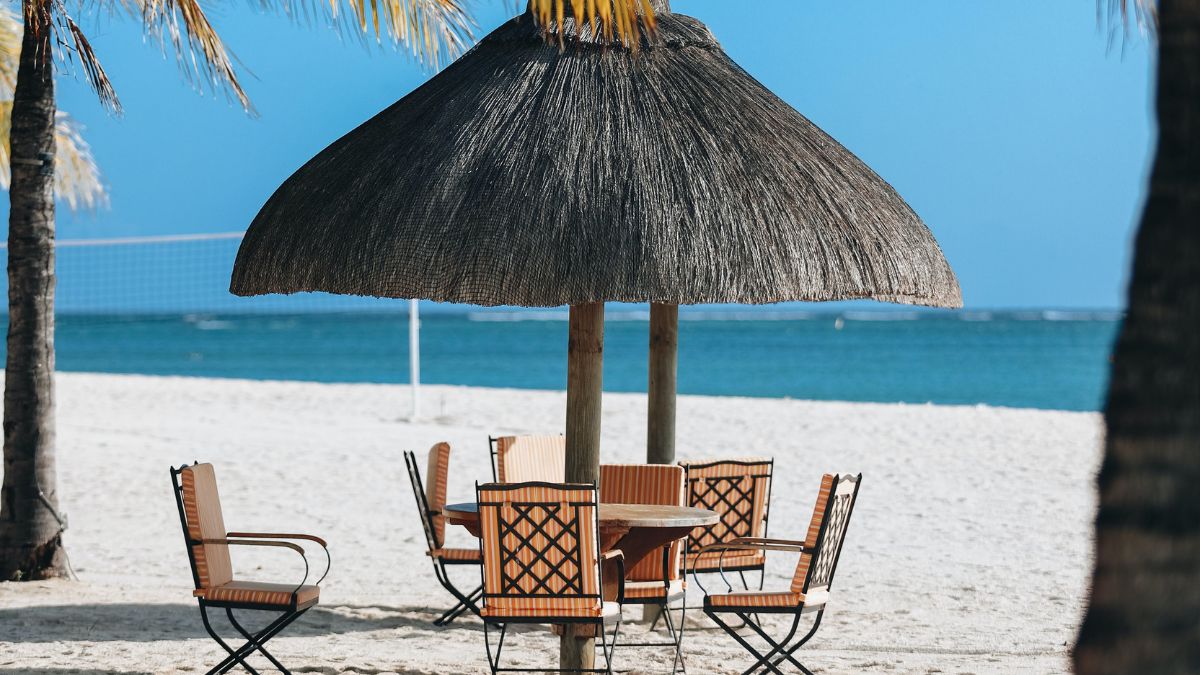
What's the law? All beaches are public
All beaches in Aruba are public by law, established in the National Ordinance for Public Waters and Beaches. Government officials have repeatedly confirmed that no beach in Aruba will be owned by a hotel.
That means the coastline is accessible to everyone — locals, resort guests, and visitors staying elsewhere. Even when a hotel sits directly on the sand, the beach and water remain public property.
Two exceptions: Renaissance Island (home to the famous flamingos) and De Palm Island are privately owned and require a day pass for access.
The palapa question: what the police say
Palapas — those thatched-roof umbrellas built into the sand — are a frequent source of confusion. Here is what has been clearly established:
- A 2015 court ruling established that palapas on public beaches cannot be reserved exclusively for hotel guests. They are available on a first-come, first-served basis.
- The Beach Police have actively enforced this. In a recent incident at Manchebo Beach Resort, officers responded after hotel security told a family they could not use a palapa in front of the property. Police clarified that palapas on public beaches are shared spaces and cannot be reserved for one guest's exclusive use.
Key palapa rules (based on police guidance)
| Rule | What it means |
|---|---|
| First come, first served | If a palapa is unoccupied, it is available for anyone to use — regardless of which hotel is nearby. |
| Bring your own gear | You can sit under a palapa with your own chair or towel, but you cannot use resort-owned loungers or umbrellas. |
| Presence matters | Leaving items under a palapa does not reserve it. The spot counts as occupied only when someone is physically there. |
| Leave, lose it | Once you leave a palapa, you lose claim to it. Others are free to use it. |
The leasehold gray area
Some hotels argue that palapas on leasehold land they rent from the government are private property. The Manchebo Resort, for instance, claimed the palapa in question was on their long-term leasehold land.
Government authorities maintain that the beach itself remains public, and most palapas placed on the beach are accessible to all. Authorities have also announced a comprehensive review and modernization of beach policy, signaling these issues are being addressed at the highest level.
For practical purposes: if you're unsure, a polite check with hotel staff can clear things up. But if you're sitting under a public palapa with your own chair, no one can force you to leave.
How shared beach spaces work in 2026
In early 2026, Aruba's Department of Infrastructure and Planning introduced temporary beach guidelines to clarify how hotels and the public share the shoreline. Here is the practical breakdown:
Hotel setups are reserved
Hotels arrange palapas, loungers, and umbrellas for their guests. When these setups are assigned, they are considered in use — even if the guest steps away for a swim or walk. If you are not staying at the hotel, avoid using or moving these setups.
But the beach itself is open
While hotel setups are reserved, the beach remains open to everyone. You are always welcome to enjoy the shoreline, swim, or find your own place in the sand with your own gear.
Leasehold areas
In some cases, beach sections fall within hotel leasehold land. These spaces are intended for hotel guests and are not part of the public beach. If you are unsure whether you are in a leasehold zone, a quick check with hotel staff helps avoid awkward moments.
What about Airbnb and rental guests?
If you are staying at an Airbnb, vacation rental, or condo, you likely will not have a resort-provided beach setup. That means:
- You can use public palapas with your own chair or towel
- You cannot use hotel loungers or umbrellas — those are for guests of that property
- You will need your own gear for shade, seating, and snorkeling
Not sure whether a rental or hotel fits your trip better? See our Vrbo vs Airbnb in Aruba comparison.
Beach gear rentals made easy
Chairs from $8, umbrellas from $12, snorkel sets from $7 — delivered island-wide to your hotel, rental, or favorite beach. No bulky packing required.
Check availability & book beach gearBeach etiquette: practical tips for a respectful stay
1. Bring your own shade (or rent it)
Resort palapas can be uncertain, and you cannot use hotel loungers — so having your own beach gear is the simplest solution. Beach gear rentals in Aruba deliver chairs, umbrellas, snorkel sets, and games to your hotel, rental, or favorite beach.
2. Don't "towel claim"
Reserving beach chairs or palapas by leaving a towel and disappearing for hours is widely considered rude. Some resorts actively discourage the practice.
3. Clean up after yourself
Aruba takes pride in its pristine beaches. Use trash bins and never leave anything behind. Picking up litter you see helps keep the island beautiful for everyone.
4. Use reef-safe sunscreen
Sunscreens containing oxybenzone have been banned in Aruba since 2019. Look for mineral formulas with zinc oxide or titanium dioxide. See our reef-safe sunscreen guide for Aruba for vetted picks and after-sun care.
5. Don't drive on the sand
Driving or parking on beaches, dunes, or in the ocean is prohibited. It damages fragile flora and can disturb sea turtle nests buried beneath the sand.
6. Don't touch coral or marine life
Coral reefs are living ecosystems — stepping on or touching them causes serious damage. Do not feed fish or other marine life; it disrupts natural behavior.
7. Respect the beach flags
Red means dangerous conditions, yellow is caution, green means all clear, and purple signals dangerous marine life. Ignoring flags can put you in harm's way.
8. Dress appropriately off the beach
Aruba is relaxed, but walking around town in swimwear only is not appropriate. Cover up when leaving the beach or pool area.
9. Smoke-free beaches
Smoking — including e-cigarettes and vapes — is banned on Aruba's beaches.
10. Don't take sand or coral as souvenirs
Removing sand, shells, or coral contributes to erosion and environmental damage. Support local artisans for authentic souvenirs instead.
Aruba Beach Etiquette FAQs
Are all Aruba beaches public?▾
Can I use a resort's palapa if I'm not staying there?▾
What if hotel staff tells me to leave?▾
Can I reserve a palapa with a towel?▾
Are hotel loungers public?▾
How early should I arrive for a palapa?▾
Plan your beach day with confidence
Aruba's beaches are among the Caribbean's most beautiful. Sort your gear and sunscreen before you hit the sand — then enjoy them while showing respect for the island and fellow visitors.
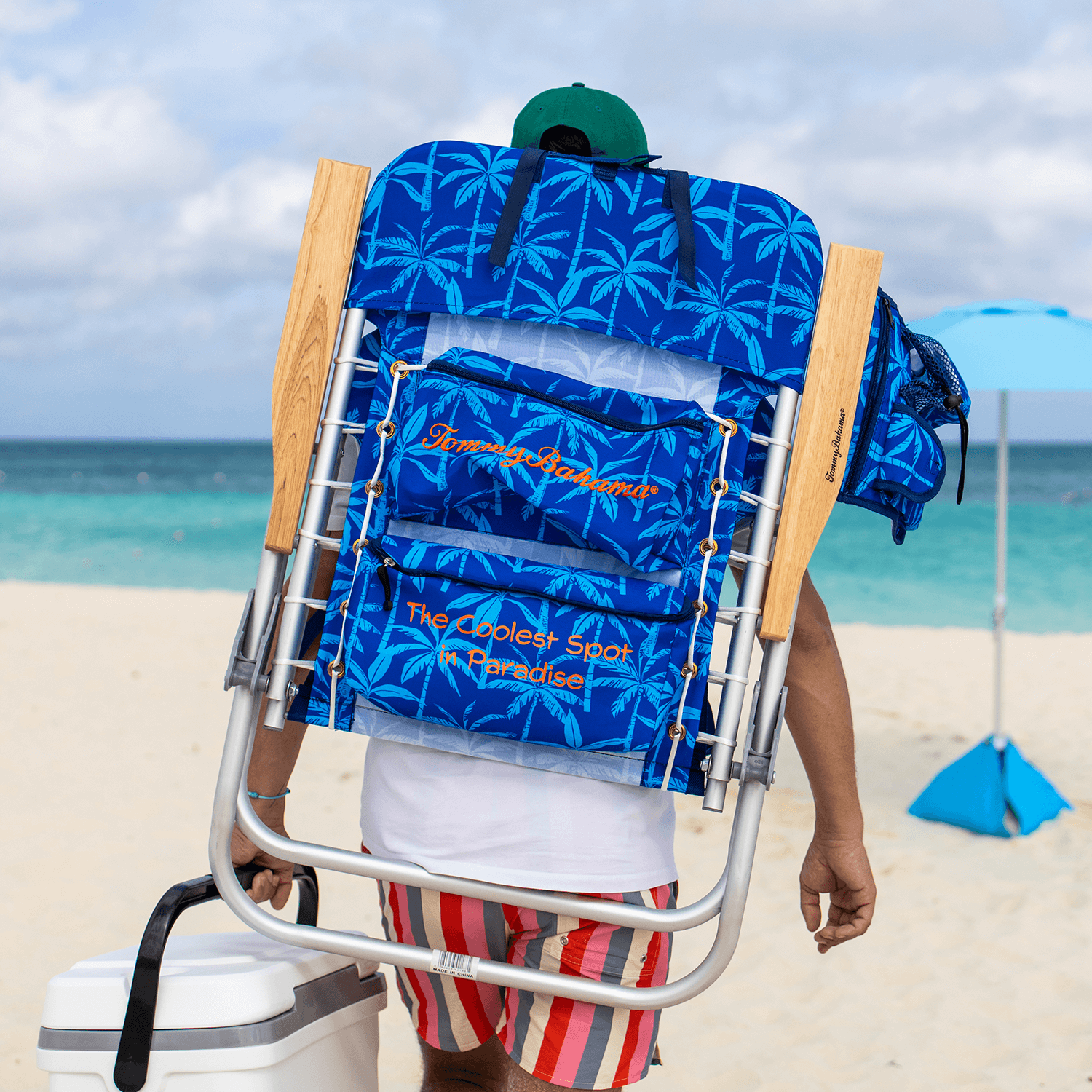
Aruba Beach Gear Rentals
Chairs from $8, umbrellas from $12, snorkel sets from $7 — delivered island-wide to your hotel, rental, or favorite beach.
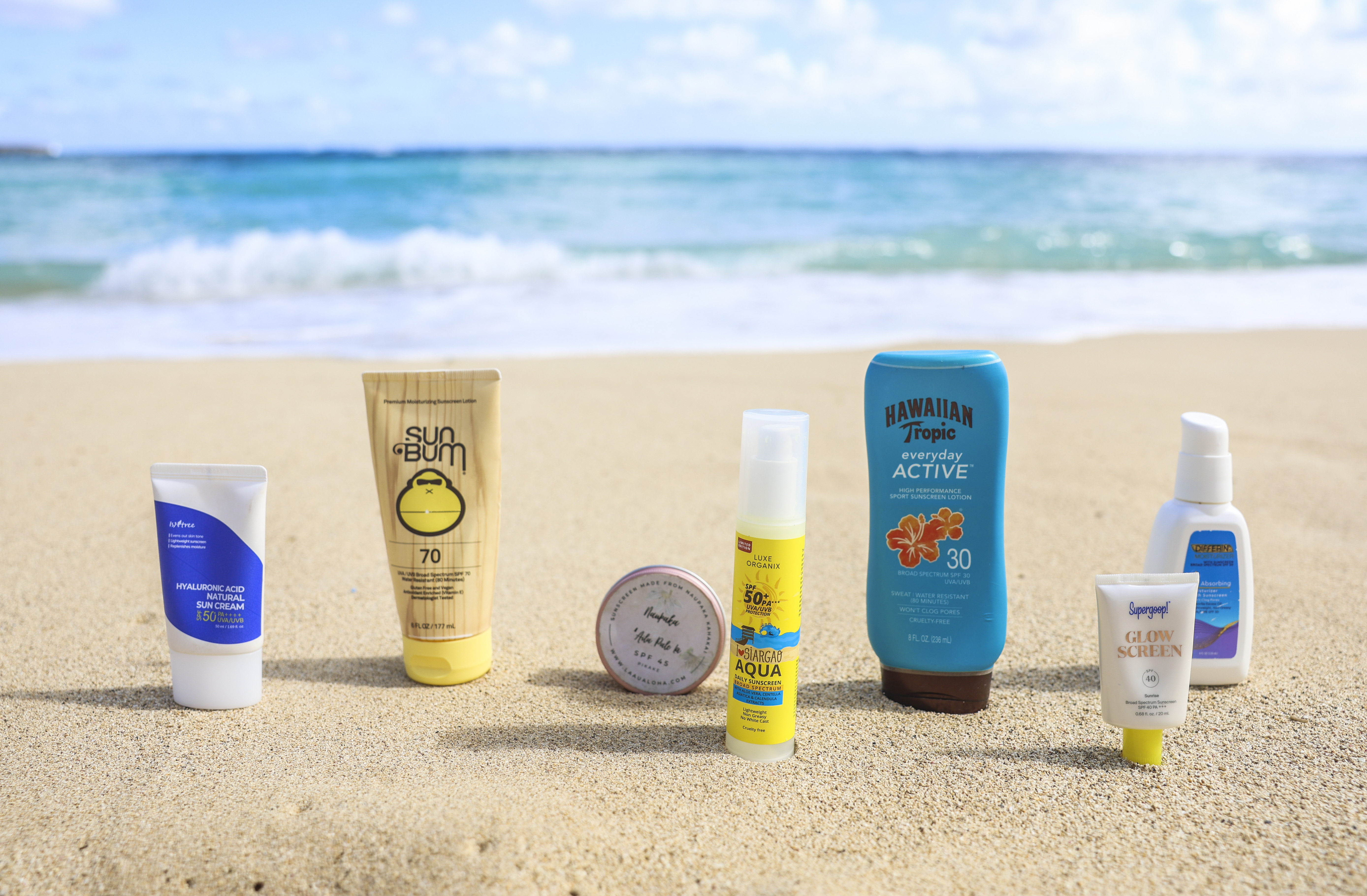
Reef Safe Sunscreen Guide
Mineral SPF 50+ picks by category, Aruba Aloe after-sun, and snorkel-friendly rules for Aruba beaches.
Also see our Aruba must-haves hub for packing, gear, and trip prep.
Related guides
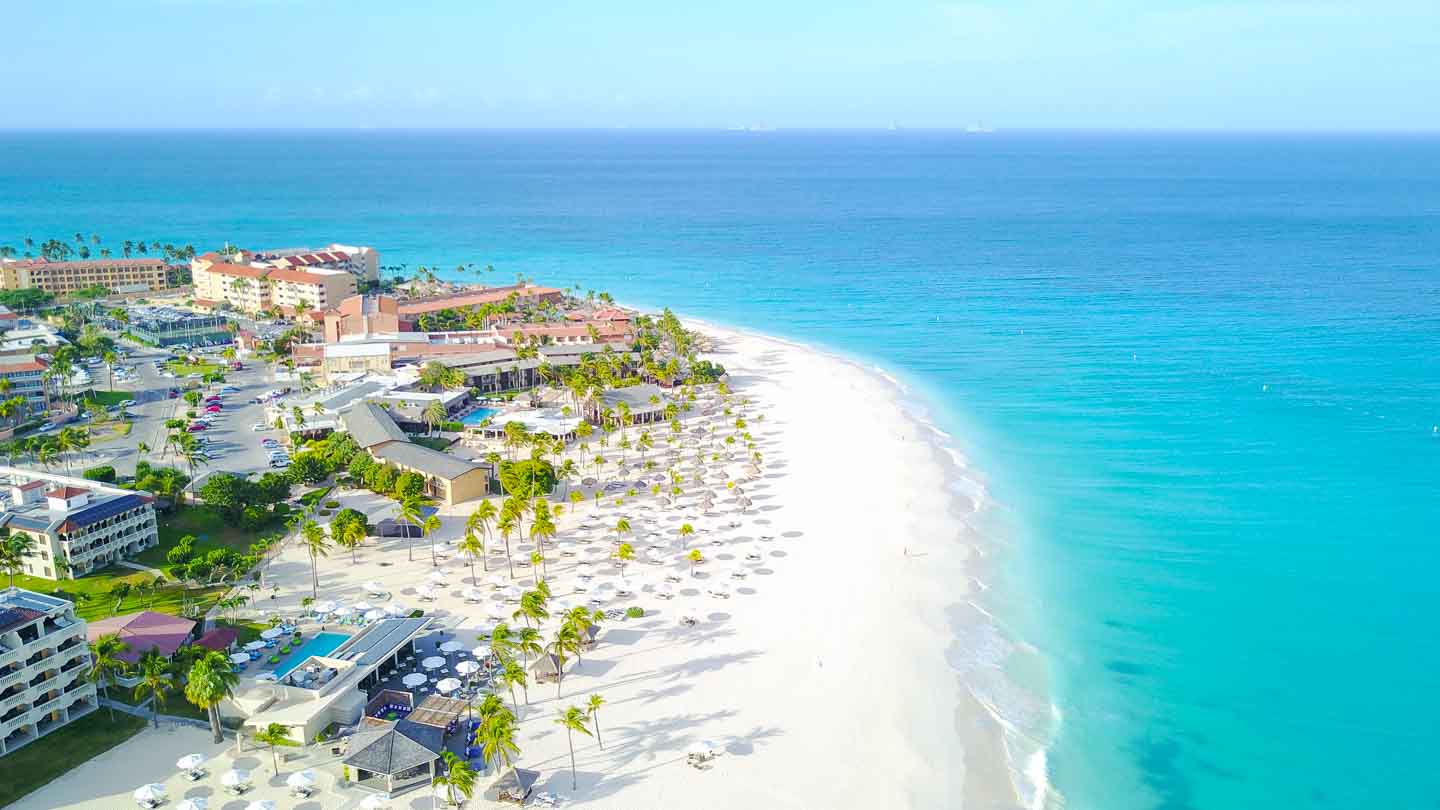
Best Beaches in Aruba
Eagle Beach, Baby Beach, Tres Trapi, and more — what each shore is actually like.
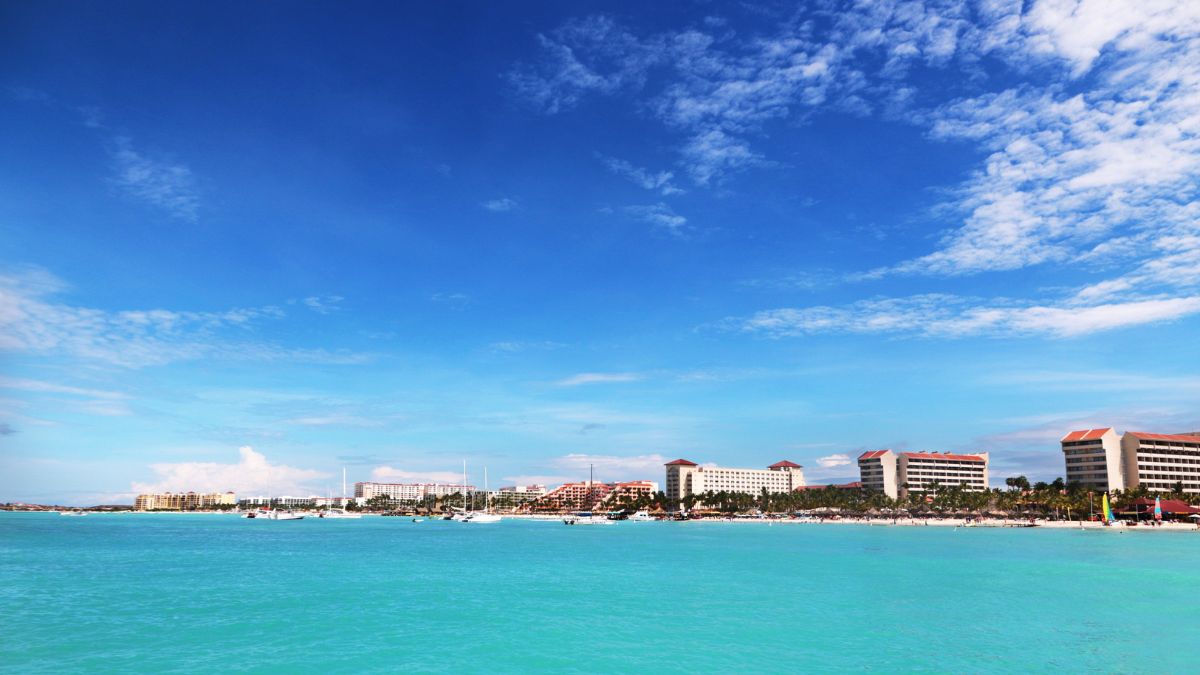
Eagle Beach vs Palm Beach
Where to stay and what each strip feels like on the ground.
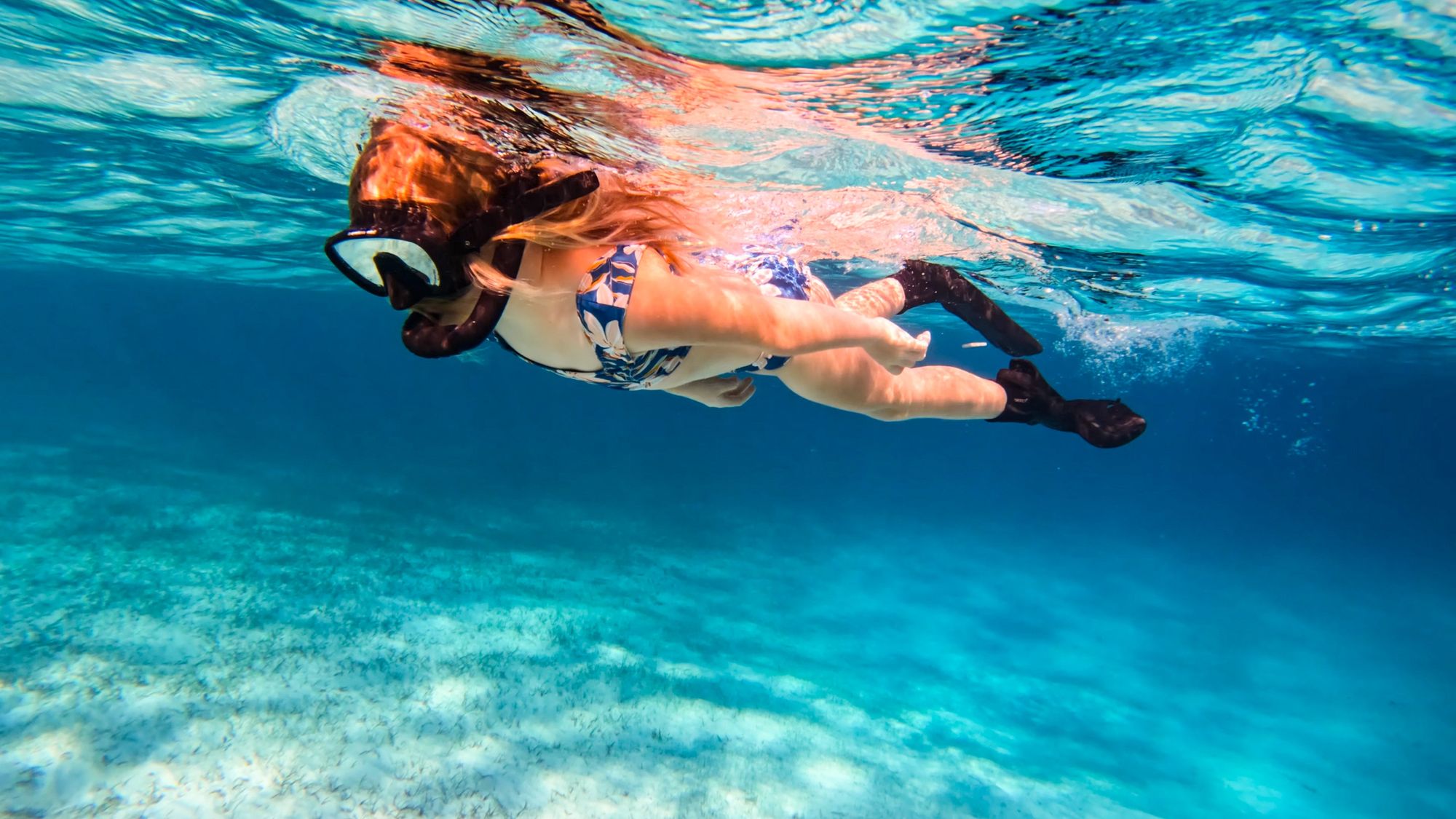
Best Snorkeling Spots in Aruba
Shore access, gear, and how Mangel Halto, Boca Catalina, and Arashi fit together.
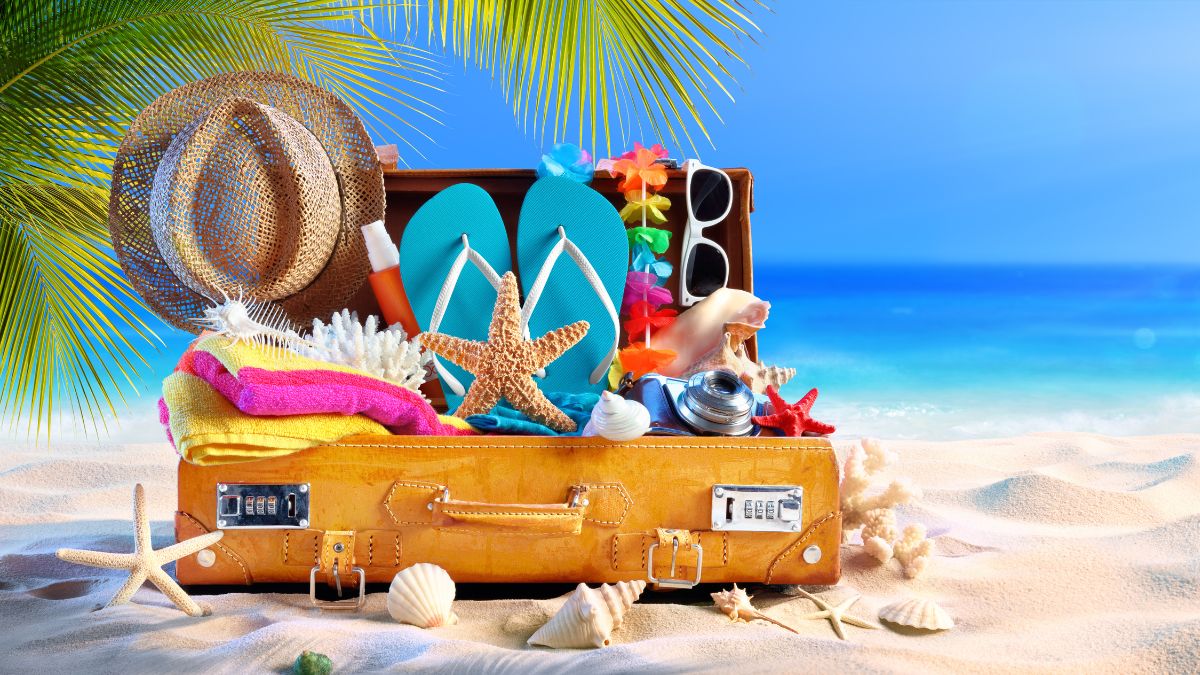
Aruba Essentials & Must-Haves
Reef-safe sunscreen, packing, gear rentals, and trip prep in one hub.
Related guides
A few more Travel Tips reads that pair with this page.

Aruba Travel Insurance (2026): From $2/Day, Hospitals & Visitor Guide
Aruba travel insurance guide for US visitors: hospitals, emergency numbers, what US health plans cover (and don't), and travel medical insurance from about $2/day.

Aruba Airport VIP Arrival & Departure Service (2026): Skip Lines, Save Time
Flying in or out of Aruba on a Saturday? Skip long outdoor lines with VIP Meet and Greet services. Fast-track immigration, security, and access the VIP lounge.
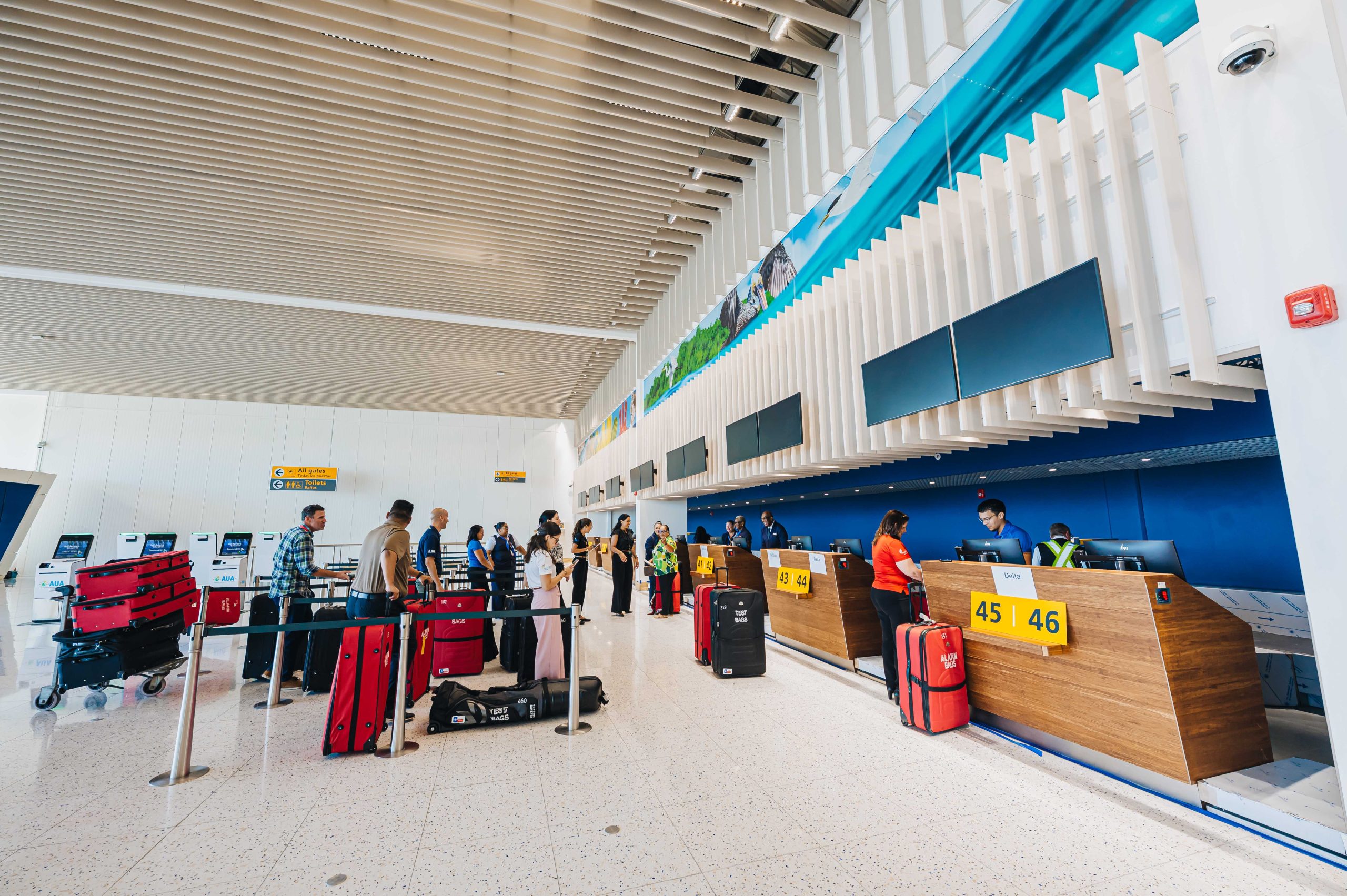
Aruba ED Card 2026: Cost, Requirements & Official Website
The Aruba ED Card is mandatory, including for children. Most air travelers pay a $20 Sustainability Fee at edcardaruba.aw. Who needs it, who is exempt, and when to apply.
Aruba Grocery Delivery Guide (2026): Super Food Aruba, GroceriesToGo & Food Delivery
How to get groceries delivered in Aruba: Super Food Aruba online ordering, GroceriesToGo, food delivery options, and practical delivery + transport planning.
Aruba Tipping Guide 2026: Restaurants, Taxis & Service Charges
Understand tipping in Aruba: restaurant service charges, taxis, hotels, tours, USD vs AFL, lucky $2 bills, and common gratuity mistakes.