Does Bonaire have good beaches?
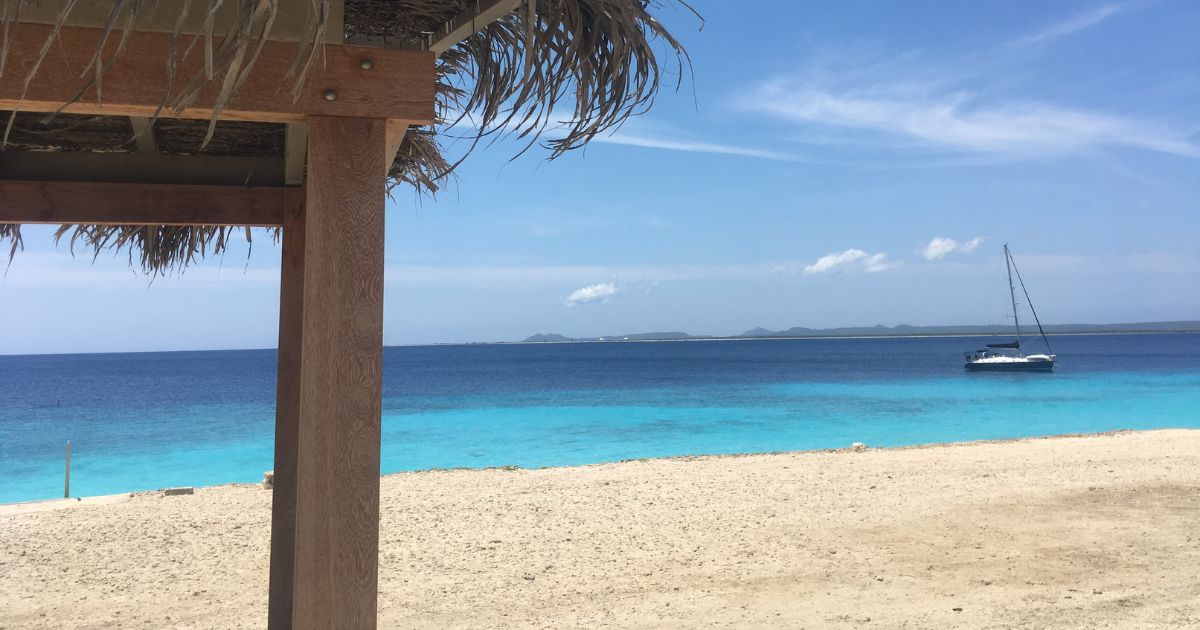
Yes — but Bonaire isn't primarily a classic beach-resort island.
That's an important distinction.
If your idea of the perfect Caribbean vacation is a huge crescent of powdery sand where you spend seven days under a resort umbrella, Aruba probably fits that expectation better.
Bonaire's coastline is different.
Many beaches are:
- small
- rocky
- covered in coral rubble
- undeveloped
- accessed independently
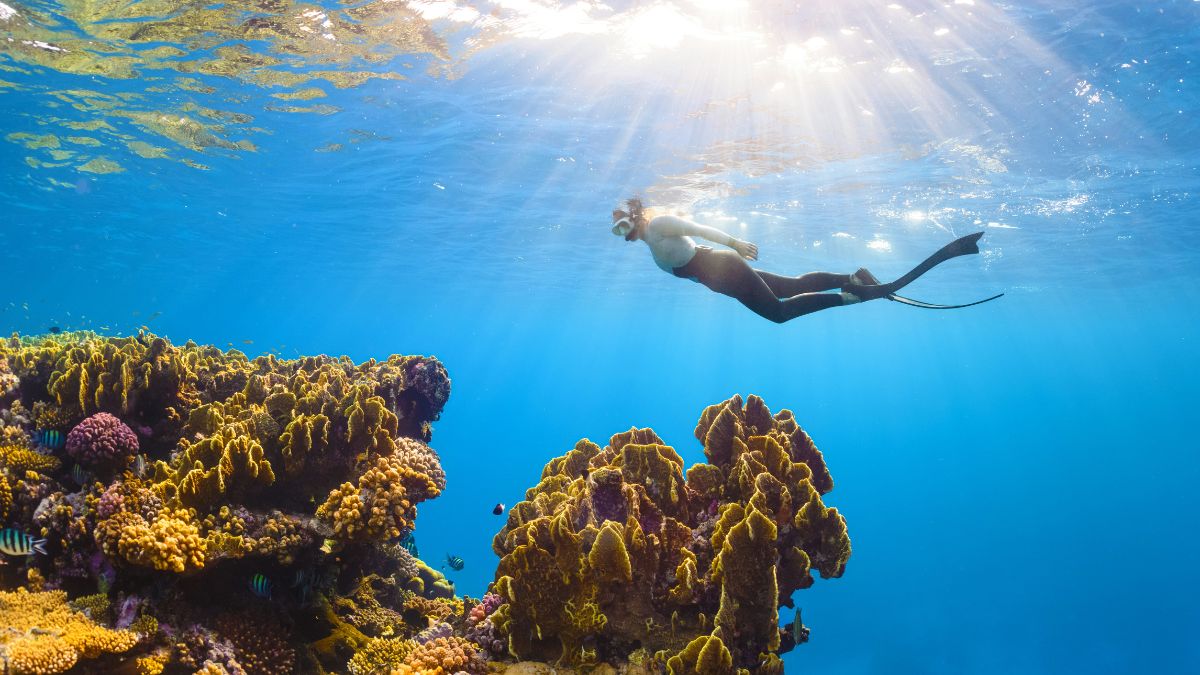
- better for snorkeling than lounging
And that's exactly what makes them appealing.
Instead of choosing one resort beach for your entire vacation, Bonaire encourages you to drive around and discover different pieces of coastline.
1. No Name Beach — Klein Bonaire
Best for: White sand + snorkeling + a proper beach day
If you want the closest thing to the classic Caribbean beach experience in Bonaire, start with No Name Beach on Klein Bonaire.
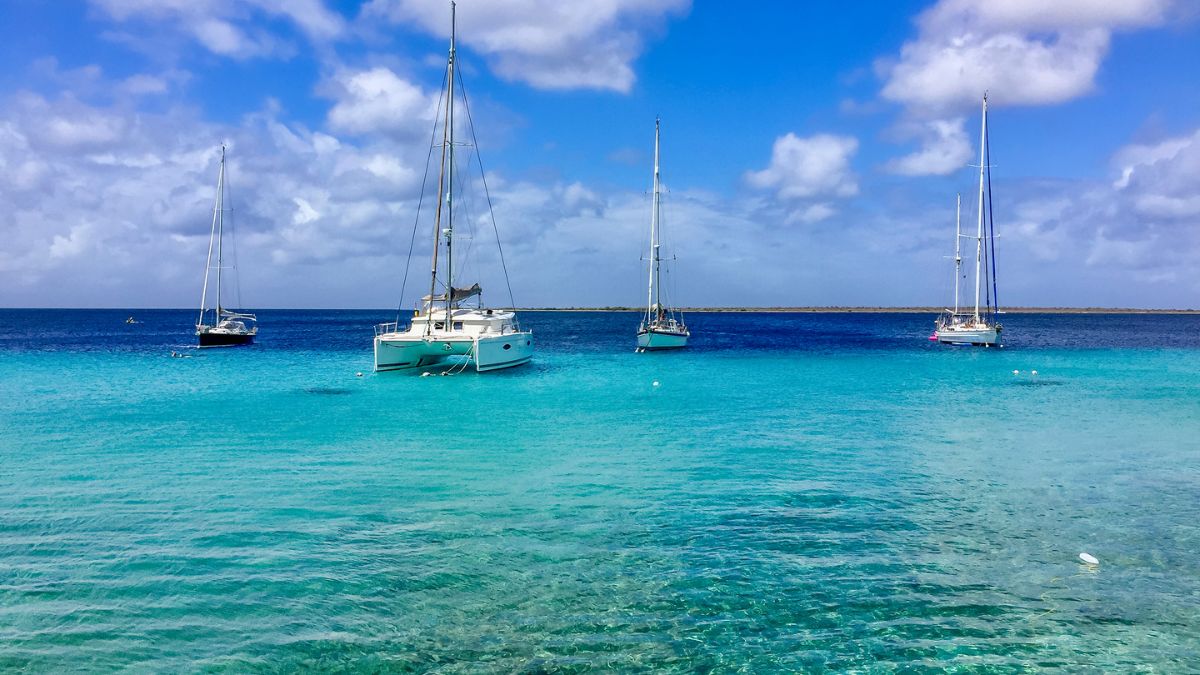
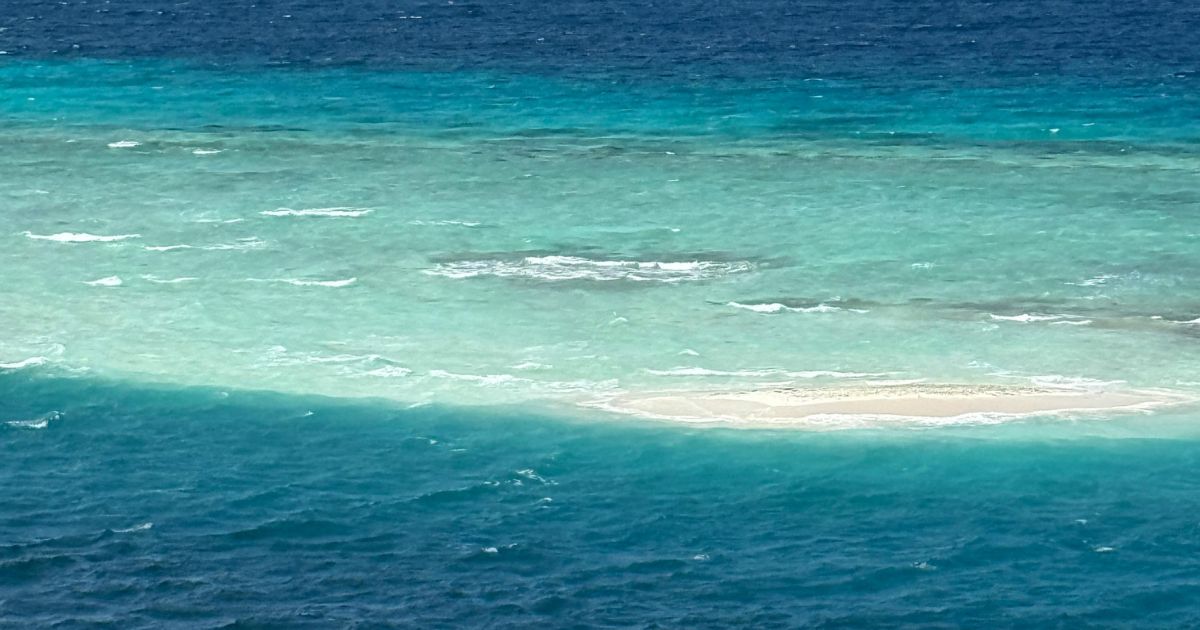
Klein Bonaire is the small, uninhabited island just offshore from Bonaire.
No Name Beach is its main recreational beach and one of the island's most popular places for swimming, snorkeling and relaxing.
Unlike many beaches on Bonaire itself, you get a more recognizable combination of:
white sand + turquoise water + undeveloped surroundings.
The reefs around Klein Bonaire are also popular with snorkelers and divers.
Why visit No Name Beach?
Come here if you want:
- a sandy beach
- clear water
- snorkeling
- an undeveloped setting
- a half-day beach escape
- to experience Klein Bonaire
What to know
There are no normal resort-style facilities, running water or sanitation facilities on Klein Bonaire, so arrive prepared.
Bring plenty of water, sun protection and whatever food you need.
Klein Bonaire is protected, so treat it as a nature destination rather than a conventional serviced beach.
You need to reach the island by boat.
Best for: Couples, snorkelers, beach lovers
Don't choose it if: You need restaurants, toilets and resort facilities
2. Te Amo Beach
Best for: An easy, accessible Bonaire beach stop
Te Amo Beach is one of the beaches I'd include for travelers who simply want an easy place to get into the water without making an entire expedition out of it.
It's near Bonaire's airport and convenient to Kralendijk and the southern part of the island.
The water can be beautifully clear, and snorkeling can be worthwhile.
This isn't an enormous resort beach.
Think of it more as a casual local beach stop that works particularly well when you want to combine swimming or snorkeling with other sightseeing.
Why visit Te Amo?
- convenient location
- easy to combine with another activity
- swimming
- snorkeling
- sunset potential
- no need to dedicate an entire day
Best for: Easy swimming, snorkeling, short visits
Don't choose it if: You're expecting a huge serviced resort beach
3. Bachelor's Beach
Best for: Swimming and snorkeling close to Kralendijk
Bachelor's Beach is another convenient option south of Kralendijk.
It's smaller than the word “beach” might suggest, but that's normal in Bonaire.
The attraction is primarily the water rather than acres of sand.
When conditions are suitable, it's a good place to combine a swim with snorkeling.
It's particularly useful if you're staying around Belnem or exploring the southern coast.
Why visit Bachelor's Beach?
- easy to combine with southern Bonaire
- snorkeling
- swimming when conditions permit
- convenient from Belnem
- good stop rather than full-day destination
Best for: Couples, swimmers, snorkelers
Don't choose it if: Your priority is a large sandy beach
4. Sorobon and Lac Bay
Best for: Shallow turquoise water
Lac Bay gives you a completely different Bonaire beach experience.
Located on the eastern side of the island, this large shallow bay contains extensive seagrass and mangrove habitat and is internationally recognized for its ecological importance.
The shallow water and distinctive turquoise landscape make the Sorobon side of Lac Bay one of Bonaire's most recognizable coastal areas.
It's also strongly associated with windsurfing.
This isn't where I'd send someone primarily looking for coral-reef snorkeling.
Come here for:
- shallow water
- windsurfing
- relaxing
- a different landscape
- the Lac Bay experience
Is Sorobon good for families?
The shallow setting can make Lac Bay attractive to families, but conditions and activity zones still matter.
Always pay attention to local signage and water-sport activity.
Best for: Shallow water, windsurfing, relaxing
Don't choose it if: Reef snorkeling is your main objective
5. 1000 Steps
Best for: Snorkeling + one of Bonaire's most recognizable coastal stops
Despite the name, you don't actually have to climb a thousand steps.
1000 Steps is one of Bonaire's best-known snorkeling and diving locations.
The attraction isn't a giant sandy beach.
It's the combination of:
- limestone coastline
- clear water
- reef access
- snorkeling
- scenery
The steps down also make the setting more dramatic than many simple roadside entries.
If you're creating a list of beaches purely based on sand quality, 1000 Steps wouldn't necessarily dominate.
But if you're asking which coastal places are actually worth visiting in Bonaire, it belongs high on the list.
Swimming at 1000 Steps
Swimming and snorkeling depend on sea conditions.
Bonaire's coastline isn't a controlled swimming pool, so evaluate conditions when you arrive.
Best for: Snorkeling, scenery, underwater exploration
Don't choose it if: You want beach chairs, restaurants and facilities
6. Wayaka — Washington Slagbaai National Park
Best for: Snorkeling inside the national park
Wayaka is one of the beaches that makes a day in Washington Slagbaai National Park worthwhile.
STINAPA specifically identifies the Wayaka sites as among the park's notable snorkeling locations.
The setting is much wilder than a normal resort beach.
You're inside Bonaire's protected northern landscape, surrounded by the national park rather than hotels and restaurants.
Wayaka's small sandy beach provides access to reef channels and clear water when conditions allow.
Why visit Wayaka?
- snorkeling
- small sandy beach
- national park setting
- beautiful water
- easy addition to a park road trip
This isn't somewhere I'd drive to solely for a lazy resort-style beach day.
It's best experienced as part of your Washington Slagbaai itinerary.
Best for: Snorkelers, nature lovers, national park visitors
Don't choose it if: You want an easily accessible Kralendijk beach
7. Boka Slagbaai
Best for: A longer stop inside Washington Slagbaai
Boka Slagbaai is another of the national park's important coastal stops.
Historically, the bay served as a harbor.
Today, visitors come for the combination of:
- swimming and snorkeling when conditions permit
- coastal scenery
- picnic areas
- historic buildings
- nearby salt pan
- wildlife viewing
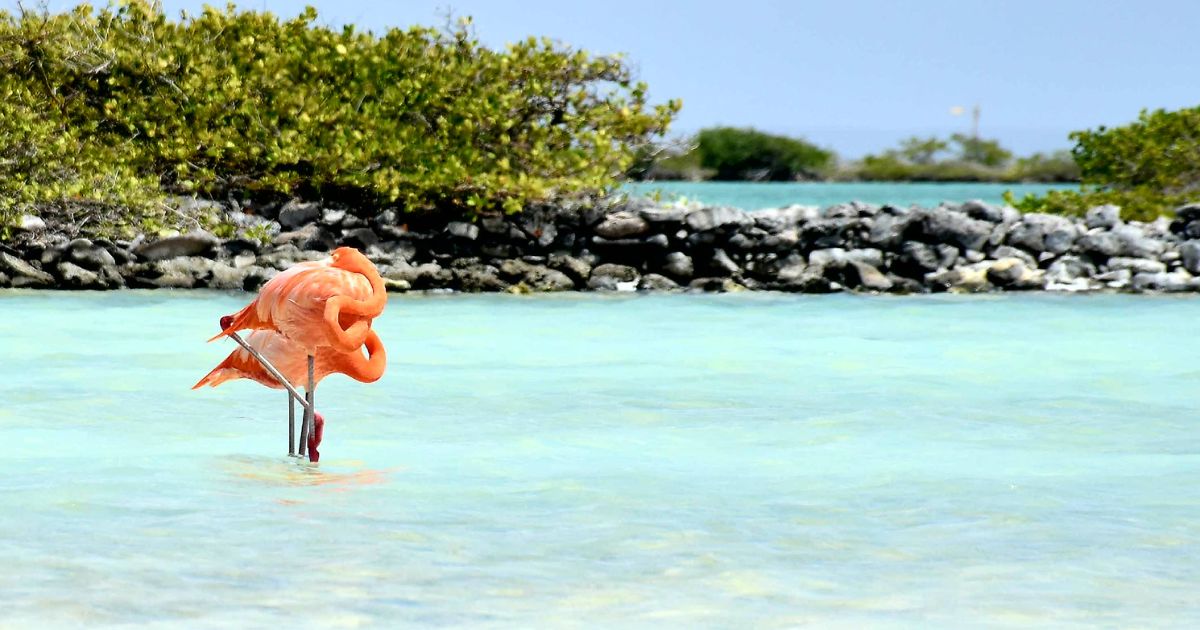
STINAPA identifies Boka Slagbaai as a snorkeling area and notes that flamingos may be present around the adjacent saliña.
That makes this more than simply another beach.
It's one of the places where Bonaire's nature, history and coastline come together.
Best for: National park days, picnics, snorkeling
Don't choose it if: You only have an hour to spare from Kralendijk
8. Pink Beach
Best for: South Bonaire scenery
Pink Beach is one of the well-known coastal stops on Bonaire's southern side.
Don't visit expecting a permanently bright bubblegum-pink beach.
The name is more dramatic than the appearance most visitors will encounter.
Instead, treat Pink Beach as part of the broader southern Bonaire experience.
It's easy to combine with:
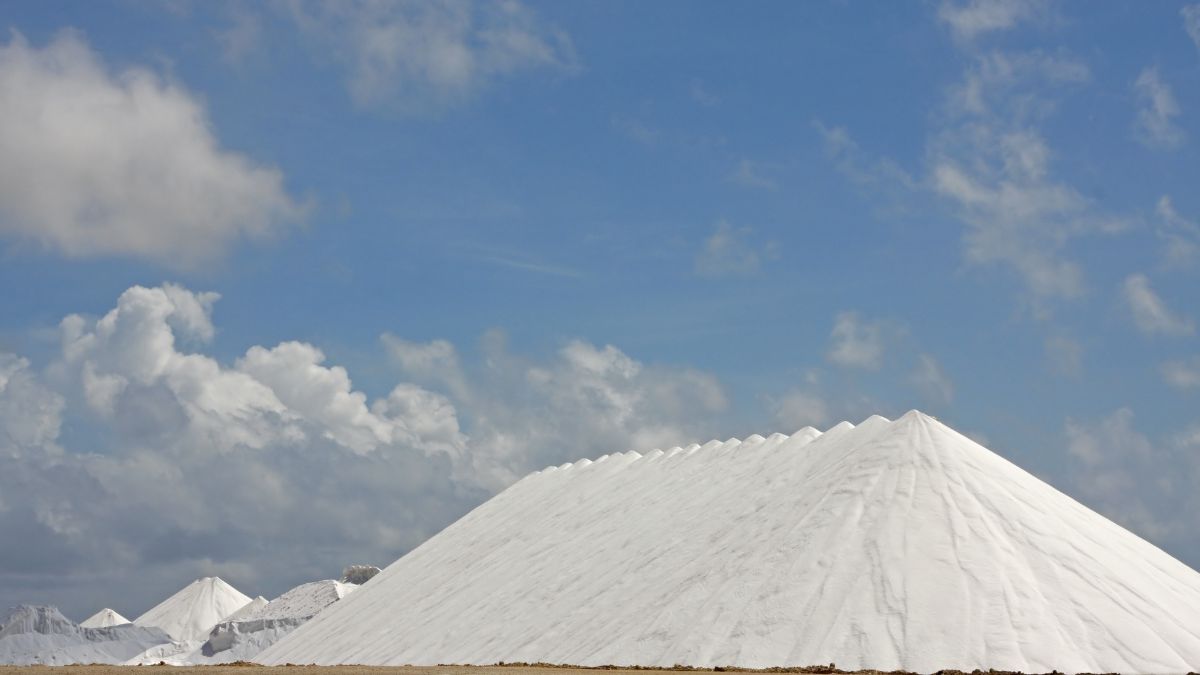
- the salt flats
- salt pyramids
- southern dive sites
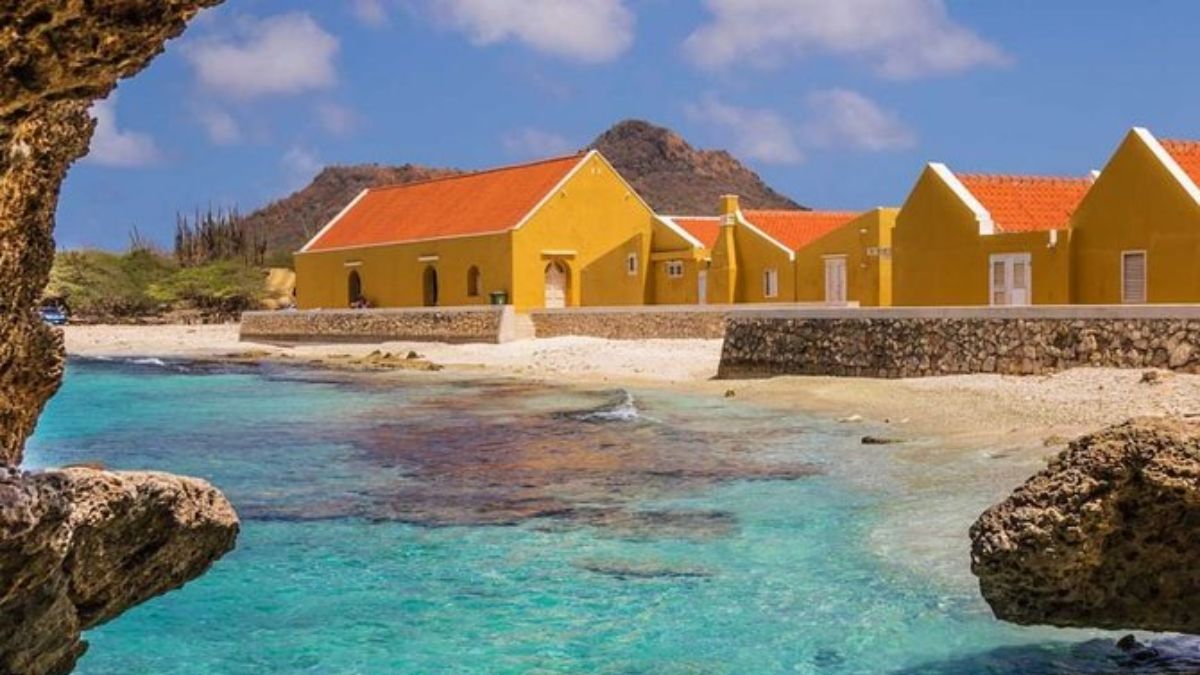
- the slave huts
- coastal driving
Sea conditions should determine whether you enter the water.
Why visit Pink Beach?
It's particularly useful if you're already doing a south-island drive.
Stop, look at the coastline, enjoy the setting and continue exploring rather than expecting a full-service beach day.
Best for: Road trips, photography, southern Bonaire
Don't choose it if: You specifically want the island's best sandy swimming beach
9. Donkey Beach
Best for: A casual local beach stop
Donkey Beach is another accessible beach near the airport and Kralendijk area.
It's useful precisely because it doesn't require much planning.
Bring your own beach setup, check the conditions and enjoy the water.
For visitors who are spending a week in Bonaire, beaches like this become valuable because not every coastal stop needs to be a major attraction.
Sometimes you simply want somewhere nearby to swim or sit beside the Caribbean for an hour.
Best for: Casual beach time, short stops
Don't choose it if: You're searching for a luxury beach-club experience
10. Andrea I
Best for: Shore snorkeling
Andrea I belongs on this list primarily because Bonaire's best “beaches” are often really water-access points with excellent snorkeling.
When conditions cooperate, Andrea I provides access to the clear west-coast water Bonaire is famous for.
It's more appealing to someone carrying a mask and snorkel than someone searching for rows of sun loungers.
Why visit Andrea I?
- shore snorkeling
- relatively straightforward water access
- quieter atmosphere
- easy to combine with other west-coast snorkeling sites
Best for: Snorkelers
Don't choose it if: Sand is more important to you than the reef
11. Andrea II
Best for: Another west-coast snorkeling stop
Andrea II provides another snorkeling-oriented coastal option in the same broader part of Bonaire.
As with Andrea I, the main attraction is what happens in the water, not the size of the beach.
That makes Andrea I and II useful for travelers spending several days exploring Bonaire's shore-snorkeling sites.
You don't necessarily need to visit both.
Choose based on conditions and how your day develops.
Best for: Snorkeling, independent exploring
Don't choose it if: You're looking for a conventional Caribbean resort beach
12. Playa Chikitu
Best for: Wild scenery — NOT swimming
Playa Chikitu is the beach on this list where the advice is completely different:
Don't go there to swim.
Located inside Washington Slagbaai National Park, Playa Chikitu is a beautiful white-sand beach with dunes and a much wilder Atlantic-facing character.
STINAPA specifically warns that strong waves and currents make swimming and snorkeling unsafe.
It's also an important sea-turtle nesting area.
So why include it in a guide to Bonaire's best beaches?
Because it's one of the island's most dramatic beaches to see.
Visit for:
- scenery
- photography
- dunes
- wild coastline
- the contrast with Bonaire's calmer western shore
Stay out of the rough water.
Best for: Scenery, photography, nature
Swimming: No
Snorkeling: No
Best Bonaire beach for swimming
If swimming is your main objective, don't simply choose the prettiest beach photo.
Conditions matter.
I'd start by considering:
No Name Beach for the complete beach experience.
Te Amo Beach for convenience.
Sorobon/Lac Bay for shallow water.
Bachelor's Beach when conditions are suitable.
Always look at the water before entering.
Even beaches that are normally swimmable can experience changing wind, waves and currents.
Best Bonaire beaches for snorkeling
Bonaire is stronger as a snorkeling destination than a conventional beach destination.
My shortlist would be:
Klein Bonaire / No Name Beach
1000 Steps
Wayaka
Andrea I
Andrea II
But if snorkeling is your main priority, don't rely on this beach guide.
We've created a separate guide specifically comparing Bonaire's snorkeling sites, shore entries and Klein Bonaire.
Best sandy beaches in Bonaire
This is where expectations matter.
Bonaire has sandy beaches, but it doesn't have the same abundance of huge sandy beaches as Aruba.
For a more traditional beach experience, consider:
No Name Beach on Klein Bonaire
Sorobon / Lac Bay
Wayaka
Playa Chikitu — for scenery only, not swimming
Some other Bonaire beaches contain combinations of sand, limestone, coral rubble and rocky entries.
That's why water shoes can be extremely useful.
Best Bonaire beaches for families
For families, I'd prioritize ease and water conditions rather than simply choosing the most famous snorkeling site.
Sorobon/Lac Bay can appeal because of its shallow environment.
No Name Beach provides a more traditional beach experience but requires a boat trip and has essentially no facilities.
Te Amo is convenient.
The right choice depends heavily on your children's swimming ability and the conditions that day.
Never assume a beach is safe purely because other people are in the water.
Best beach near Kralendijk
If you're staying around Kralendijk, you don't need to drive to Washington Slagbaai every time you want to get into the sea.
Te Amo and Donkey Beach are convenient options south of town.
Bachelor's Beach is another possibility slightly farther south.
The western coastline also provides numerous snorkeling and diving access points as you drive north.
Best beach in Washington Slagbaai
For snorkeling, Wayaka is one of the strongest choices.
For a broader stop with history, picnicking and snorkeling, Boka Slagbaai is excellent.
For pure wild-beach scenery, Playa Chikitu stands out — but remember that STINAPA advises against swimming and snorkeling there.
Washington Slagbaai is best treated as a full exploration day, not simply a drive to one beach and back.
Best beach for a cruise day
Cruise passengers have limited time, so I'd prioritize accessibility.
Te Amo can work well as part of a shorter independent itinerary.
Klein Bonaire can also be appealing if your priority is snorkeling and beach time, but your boat transportation and return timing need to fit comfortably inside your port schedule.
If you want to see salt flats, flamingos and beaches in the same day, a southern-island excursion may make more sense than spending the entire port call at one beach.
Do Bonaire beaches have facilities?
Many don't.
This is another important difference from major resort destinations.
Depending on the beach, you may find:
- no toilets
- no showers
- no restaurant
- no beach chairs
- little or no shade
- no lifeguard
Klein Bonaire, for example, has no running water or sanitation facilities.
Washington Slagbaai is remote and should also be approached as a nature outing rather than a serviced beach destination.
Bring what you need.
Do you need water shoes in Bonaire?
They're very useful.
Many Bonaire shore entries involve:
- coral rubble
- limestone
- stones
- uneven surfaces
Water shoes can make getting in and out substantially more comfortable.
Don't walk on living coral, and don't remove coral, shells or other natural material from the marine environment.
Do you need to pay to use Bonaire's beaches?
Bonaire's surrounding coastal waters are part of the Bonaire National Marine Park.
STINAPA currently requires visitors entering the sea to have the applicable Nature Fee, with specified exemptions including children under 12 and residents of the Dutch Caribbean islands.
The fee supports management of Bonaire's protected natural areas.
Because fees and rules can change, check the current STINAPA information before your trip rather than relying on an old screenshot or travel blog.
Bonaire beach rules
Bonaire's beaches and marine environment are protected.
STINAPA asks visitors to:
- keep your distance from wildlife
- take your trash with you or use appropriate bins
- avoid disturbing or feeding animals
- leave natural material where it belongs
- park responsibly
- follow restrictions around protected areas and turtle nesting sites
The basic rule is easy:
Leave the beach and reef exactly as you found them.
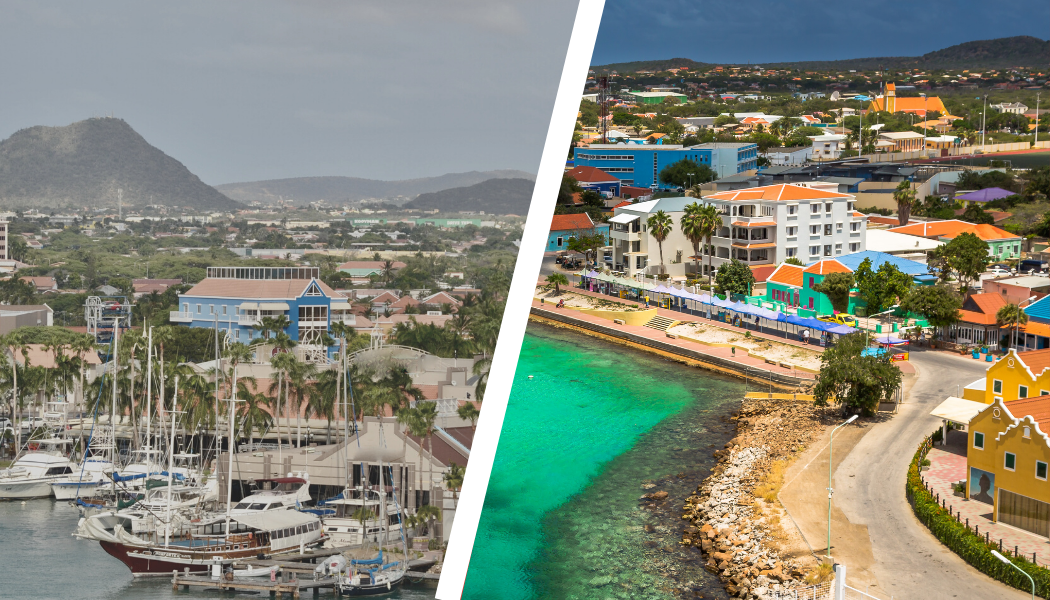
Bonaire beaches vs Aruba beaches
This is one of the biggest differences between the two islands.
Choose Aruba for:
- long sandy beaches
- resort beach days
- beach chairs and facilities
- easy swimming
- classic Caribbean beach vacations
Choose Bonaire for:
- snorkeling
- diving
- quieter coastal stops
- undeveloped shoreline
- exploring several locations
- underwater experiences
If beaches are your absolute number-one vacation priority, Aruba has the stronger traditional beach offering.
If getting into clear water with a mask and exploring the reef matters more than lying on perfect sand, Bonaire becomes much more competitive.
Bonaire beaches vs Curaçao beaches
Curaçao has more small sandy coves that fit the classic Caribbean beach image.
Bonaire's coastline is generally more closely tied to snorkeling and diving.
So again, it depends on what you mean by “best beach.”
If you're judging entirely by sand and lounging, Curaçao has an advantage.
If you're judging by easy access to underwater life, Bonaire is exceptional.
What should you bring to Bonaire's beaches?
A simple Bonaire beach kit should include:
- water
- sun protection
- hat
- sunglasses
- towel
- water shoes
- mask and snorkel
- dry bag or waterproof pouch
- snacks for remote locations
For Klein Bonaire and Washington Slagbaai, preparation matters more because services are limited.