Family travel
Aruba With a Baby: The Complete Family Travel Guide
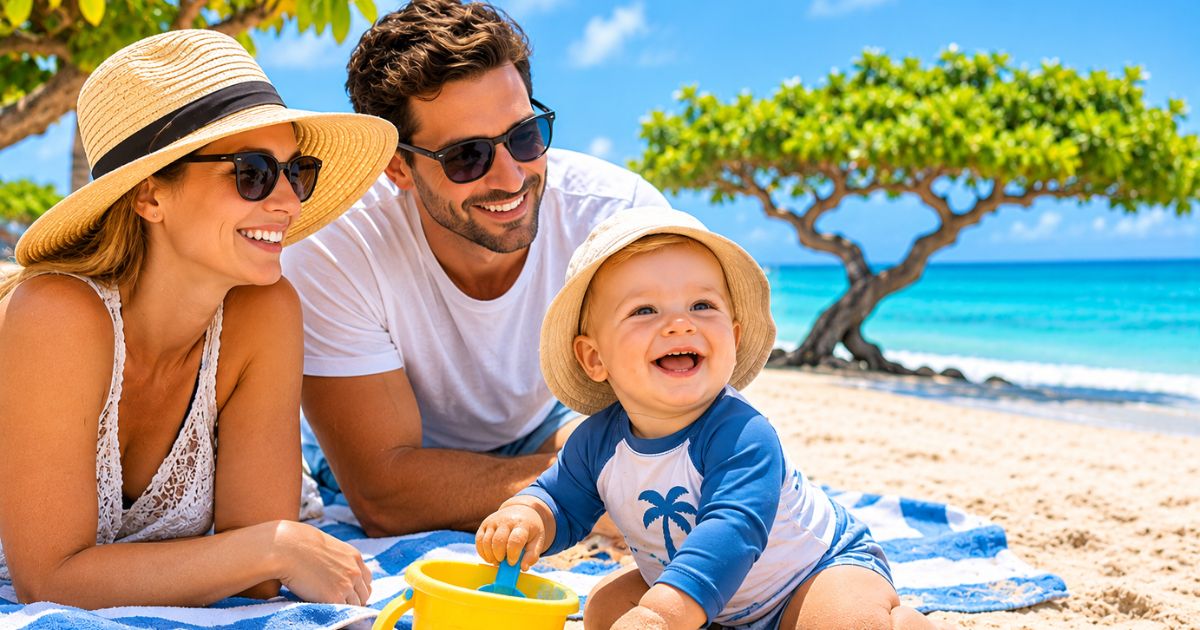
Planning a vacation to Aruba with a baby or toddler? The island can be a good fit for families who want warm weather, beaches and time together, but it takes more planning than a typical beach trip. Sun protection, transportation, sleep, feeding and which gear to bring all need a decision before you fly.
You do not have to pack everything. This guide covers family-friendly beaches, heat, getting around, rental gear and a slower pace for the days you are there.
ArubaBuddies is an independent Aruba travel guide. We may earn a commission from bookings made through our links, at no additional cost to you.
Is Aruba a good destination for babies and toddlers?
It can be, especially if you want a warm-weather trip with relatively short distances between the main resort areas. Families often find:
- Warm weather year-round, as long as you plan for heat and sun.
- Family-friendly hotels, resorts and vacation rentals.
- Beaches with calmer areas, though conditions change.
- Local rentals for strollers, cribs and car seats.
- Restaurants and supermarkets in the main tourist areas.
The harder parts are the strong sun, heat, transportation and keeping a usual routine. With that planned, Aruba can still work with a very young child.
Best beaches in Aruba for babies and toddlers
Look for an accessible beach with shade, facilities and relatively sheltered water. No beach is risk-free. Waves, currents, wind and swimming conditions change, and young children need constant close supervision around water.
1. Baby Beach — sheltered lagoon and shallow areas
Baby Beach, near San Nicolas, is one of the better-known family beaches. Its curved bay creates a sheltered lagoon with shallow areas near shore. Families use it for gentle water play when conditions are suitable, and for a quieter beach day. Stay in suitable shallow water, avoid the lagoon's outer opening, and check conditions before anyone goes in. The outer sections can have dangerous currents. For infants, shade and the beach itself may be more appropriate than a long time in the water.
2. Eagle Beach — space and scenery
Eagle Beach has a wide stretch of sand and room to set up away from a busy resort strip. It is exposed to changing sea conditions. Waves and shore break can make swimming unsuitable for very young children. Bring your own shade, or confirm that shade is available.
3. Palm Beach — convenient for resort stays
Palm Beach is practical when you are staying at a beachfront resort. Restaurants, shops and paved walks are close by, which helps with a stroller and shorter visits. It gets busy. Early morning is often more comfortable than the hottest part of the day.
4. Mangel Halto — a scenic stop
Mangel Halto is known for mangroves and coastal scenery. Water access is less straightforward than at a sandy resort beach, and some areas suit experienced swimmers and snorkelers. With a very young child, treat it as a scenic stop rather than a guaranteed easy swimming beach.
For convenience, Palm Beach fits a resort stay. Baby Beach is worth the trip for the sheltered lagoon. Eagle Beach gives you more space for a relaxed day. More options are in Best Beaches in Aruba.
Protecting your baby from sun and heat
Sunlight is strong throughout the year. Babies are especially vulnerable to overheating and sun exposure.
Prioritize shade
For babies younger than six months, staying out of direct sun matters most. Use shade, lightweight clothing and a wide-brimmed hat. For older babies and toddlers, combine shade, clothing and age-appropriate sunscreen. Ask your pediatrician about sunscreen for very young infants.
Avoid the hottest hours
Plan outdoor time for the morning or later afternoon. Use the middle of the day for naps, feeding and time indoors.
Hydration and overheating
Breastfed and formula-fed babies may need more frequent feeds in the heat. For infants under six months, breast milk or formula should stay the main source of hydration unless a healthcare professional advises otherwise. Move a child who is unusually flushed, lethargic or distressed into a cooler place, and seek medical care for concerning symptoms. Never leave a baby or child unattended in a parked vehicle, even briefly.
Stroller covers
Do not cover a stroller with a blanket or other fabric that restricts airflow. Heat can build up inside. Use the stroller's approved canopy and seek shade instead.
Getting around Aruba with a baby
The island is relatively compact, but beaches, restaurants and sights outside your resort still need a car or arranged transportation.
Renting a car
A rental car lets you return for naps, feeding and changes on your own schedule. Before you book, check luggage and stroller space, whether a suitable child seat is included, airport pickup, whether that seat can be installed correctly, and parking at your stay. Do not assume a rental car includes a child seat. Arrange one with the rental company or rent one separately. Compare vehicles in Car Rentals in Aruba, and read Car Seat Rental in Aruba for infant seats, convertible seats and boosters.
Browse car seat rentals in ArubaTaxis
Do not assume every taxi has an appropriate child restraint. Confirm with the provider before the ride, especially for the airport transfer.
Walking with a stroller
Strollers work well around resorts, shopping areas and paved paths. Ordinary wheels are a poor match for loose beach sand. A lightweight stroller is often enough for short walks. A full-size or jogging-style stroller may be more comfortable on longer outings, depending on the model. Types and prices are in Stroller Rental in Aruba.
Browse stroller rentals in ArubaBaby equipment rentals in Aruba
Renting bulky gear is one of the easier ways to travel lighter. BabyQuip listings include strollers, cribs, car seats, high chairs and other essentials. These starting rates are from example listings reviewed in November 2026. Availability, minimum rental periods, delivery and other fees vary.
| Equipment | Starting price |
|---|---|
| Lightweight stroller | $9/day |
| Convertible car seat | $9/day |
| Infant car seat | $11/day |
| Playard / Pack 'n Play | $10/day |
| Full-size crib | $19/day |
| Double stroller | $25/day |
| Video baby monitor | $6/day |
| Sound machine | $2/day |
Renting is especially useful in a villa or Airbnb that does not provide baby equipment. Comparisons are on the Baby Gear Rentals in Aruba hub.
Browse baby equipment rentals in ArubaWhere to stay in Aruba with a baby
Palm Beach suits families who want restaurants, shops and beach access close to a resort. Ask whether the hotel provides a crib and whether the room has space for the sleep setup.
Eagle Beach suits a quieter beach stay. Hotels, condos and vacation rentals are in the area. A kitchen helps with meals and a usual feeding routine.
Noord has vacation rentals within reach of the main tourist areas. A villa or apartment can mean more space, a separate sleep area and a kitchen. You may need a car for everyday trips.
Before you book, check crib or playard availability, a kitchen or kitchenette, refrigerator space, air conditioning, elevator access, distance to the beach, laundry, pool rules and room for a stroller. More on requests versus a confirmed crib is in Aruba Hotels With Cribs.
Crib and sleep arrangements
Some hotels offer a crib or playard on request. Availability and the type of equipment vary. If the stay cannot guarantee a suitable sleep space, BabyQuip listings include playards from $10/day, bassinets from $18/day, full-size cribs from $19/day, mini cribs from $23/day and toddler beds from $19/day.
Choose an age-appropriate, manufacturer-approved sleep surface and follow that product's safe-sleep instructions. For infants, use a firm, flat sleep surface with a fitted sheet and no loose bedding or soft objects. Details are in Crib Rental in Aruba.
Browse crib rentals in ArubaFeeding your baby in Aruba
Breastfeeding. Plan shaded, comfortable places to feed on outings, bring the supplies you already use, and stay hydrated yourself.
Formula. If your baby uses a particular formula, bring enough for the trip. The same brand or formulation may not be in local stores. Follow safe preparation and storage instructions in warm weather.
Food and snacks. Supermarkets stock everyday groceries, but selection varies. For specific dietary needs, familiar foods from home reduce uncertainty. A kitchen makes simple meals easier than relying only on restaurants.
High chairs. If the accommodation does not provide one, a rental can make meals easier.
Browse baby equipment rentalsThings to do in Aruba with a baby or toddler
A slower pace is usually easier. Short beach visits in the morning, a stroller walk around Palm Beach, and a brief look at Oranjestad's waterfront and shops can fill a day without a packed schedule.
The Butterfly Farm is a short outing. A carrier may be easier than a stroller on some paths. Check current hours and admission before you go. A shaded pool or a quiet afternoon at the resort can also be the better plan. Keep constant close supervision around water.
Some boat trips accept young children. Minimum ages, life jackets, weather and boarding differ by operator. Confirm those details before you book. Do not assume an adult life jacket will fit an infant.
Aruba baby packing list
Bring the personal essentials. Rent the bulky pieces when a listing fits your child and dates.
Bring
- Diapers and wipes for the journey and the first days.
- Formula or feeding supplies, bottles and cleaning supplies.
- Lightweight clothing, sun hats and sun-protective clothing.
- Baby-safe toiletries, medications and basic health supplies.
- Travel documents and familiar comfort items that suit your child's age.
- A suitable child restraint if you need one for airport transportation.
Often available to rent
- Stroller, car seat, crib or playard.
- High chair, baby monitor and sound machine.
- Toddler bed and beach wagon.
The longer checklist is the Aruba Baby Packing List.
Explore baby gear rentals in ArubaHealthcare and emergencies
Talk with your pediatrician before an international trip, especially if your baby is very young, was born prematurely or has specific medical needs. Review routine vaccinations and any travel-health advice for the destination.
Pack prescribed medication, essential feeding products and a basic first-aid kit, and keep important supplies in your carry-on. Choose travel insurance that covers your baby, and read the limits, exclusions and emergency-assistance terms before you travel.
Aruba's emergency number is 911. For serious symptoms, breathing difficulty, severe dehydration or other urgent concerns, seek medical care promptly. This page is trip planning, not medical advice.
Sample 3-day itinerary with a baby
Day 1 — Arrival. Land at Queen Beatrix International Airport and travel to your stay in a vehicle with an appropriate child restraint. Check the crib or playard, organize feeding supplies, and keep the rest of the day quiet. A short evening walk is enough if everyone is comfortable.
Day 2 — Beach morning. Visit a nearby beach early. Bring shade, feeding supplies, diapers and sun protection. Return for naps and a quieter afternoon, then an early dinner nearby.
Day 3 — A short outing. Oranjestad or one other nearby stop is enough. Use a stroller or carrier that suits the place, and leave time for breaks. The aim is a comfortable day, not seeing the whole island.
Aruba with a baby FAQs
Is Aruba safe to visit with a baby?
It can be a suitable family destination when you plan for strong sun, heat, water safety and an appropriate child restraint. No destination is entirely risk-free.
Is Aruba good for toddlers?
Families with toddlers use the beaches, resort facilities and short outings. Choose activities that match your child’s age and abilities.
What is the best beach in Aruba for babies?
Baby Beach is often chosen for its sheltered lagoon and shallow areas. Palm Beach is convenient from many resorts, and Eagle Beach offers more space. Check the water that day and supervise closely.
Do I need a stroller in Aruba?
A stroller helps around resorts, shops and paved paths. Ordinary wheels are generally unsuitable for loose beach sand.
Can I rent a stroller in Aruba?
Yes. Example BabyQuip lightweight stroller listings started around $9 per day.
Can I rent a car seat in Aruba?
Yes. Listings include infant, convertible and booster seats. Confirm the model, fit and availability before your first car ride.
Do hotels in Aruba provide baby cribs?
Some offer a crib or playard on request. Availability varies, so confirm with the hotel before you travel.
Can I rent a crib in Aruba?
Yes. Example playard listings started around $10 per day and full-size cribs around $19 per day.
Is Aruba too hot for a baby?
It is warm year-round. Shade, clothing, feeding and avoiding overheating matter. Ask a clinician if your baby is very young or has specific health needs.
Can I take a baby on a boat tour?
It depends on the operator, the boat, the weather and the child’s age. Confirm minimum ages, life jackets and boarding before you book.
Should I bring baby formula?
If your baby uses a particular brand or formulation, bringing enough for the trip is a sensible precaution. Local stock may differ.
Do I need a rental car with a baby?
Not always. A resort stay near restaurants may not need one. A car is more flexible for beaches and sights, and it still needs an appropriate child restraint.
Plan your Aruba vacation with a baby
Choose a comfortable stay, arrange transportation with a proper child restraint, protect your baby from the sun, and rent bulky equipment instead of checking all of it. Plan the days around your child rather than filling every hour.
Browse BabyQuip Aruba rentalsMore Aruba Family Travel Guides
- Baby Gear Rentals in Aruba
- Stroller Rental in Aruba
- Car Seat Rental in Aruba
- Crib Rental in Aruba
- Aruba Baby Packing List
- Aruba Hotels With Cribs
- Best Beaches in Aruba
- Car Rentals in Aruba
Last reviewed: November 2026. Rental prices are indicative examples and may change. Confirm the current listing before you reserve.
ArubaBuddies is an independent Aruba travel guide. We may earn a commission from bookings made through our links, at no additional cost to you.
Related guides
A few nearby reads that pair with this page.
Aruba Baby Gear Rentals | Strollers, Car Seats & Cribs
Rent baby gear in Aruba, including strollers, car seats, cribs and high chairs. Explore BabyQuip rental options and arrange delivery for your vacation.
Stroller Rental Aruba | Single, Double & Wagons from $9/Day
Rent a stroller in Aruba from $9/day. Compare single and double strollers, jogging strollers, beach wagons and accessories on BabyQuip.
Car Seat Rental Aruba | Infant Seats & Boosters from $8/Day
Rent car seats in Aruba from $8/day. Compare infant seats, convertible car seats, high-back and backless boosters on BabyQuip, plus delivery options.
Crib Rental Aruba | Baby Cribs & Pack 'n Plays from $10/Day
Rent a crib in Aruba from $19/day or a pack 'n play from $10/day. Compare bassinets, toddler beds and sleep accessories on BabyQuip.
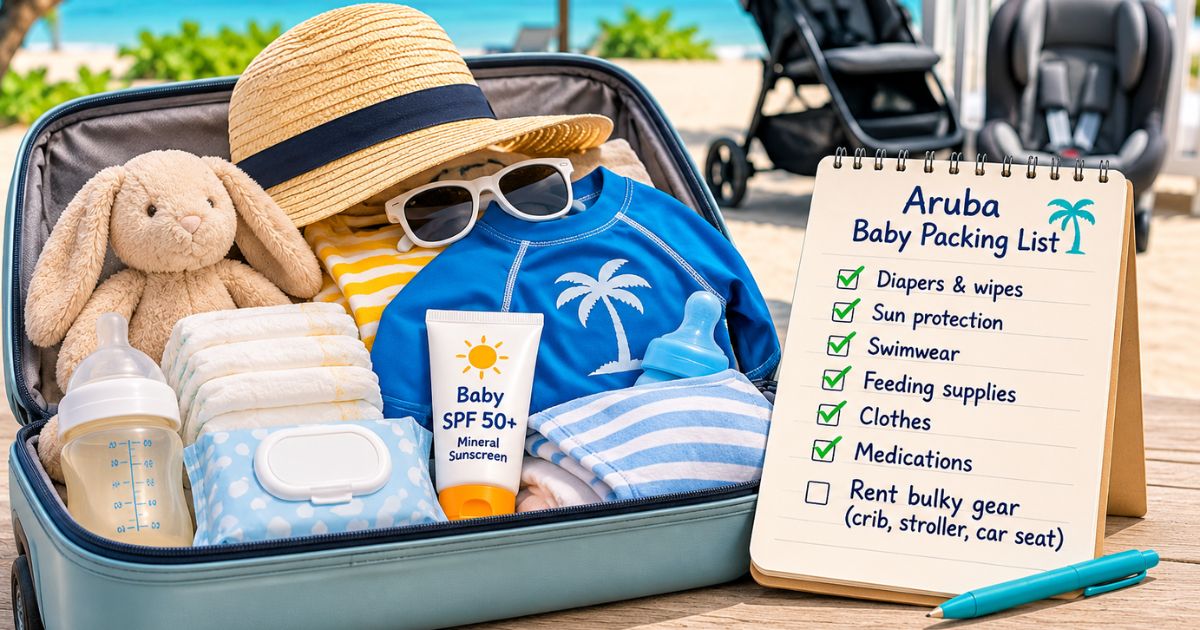
Aruba Baby Packing List: What to Bring & Rent (2026)
Traveling to Aruba with a baby or toddler? Use our packing checklist for beach essentials, diapers, feeding, sleep and baby gear rentals.
Aruba Hotels With Cribs: Baby-Friendly Resorts (2026)
Looking for Aruba hotels with cribs? Compare family-friendly resorts, free crib options, baby amenities and what to confirm before booking.