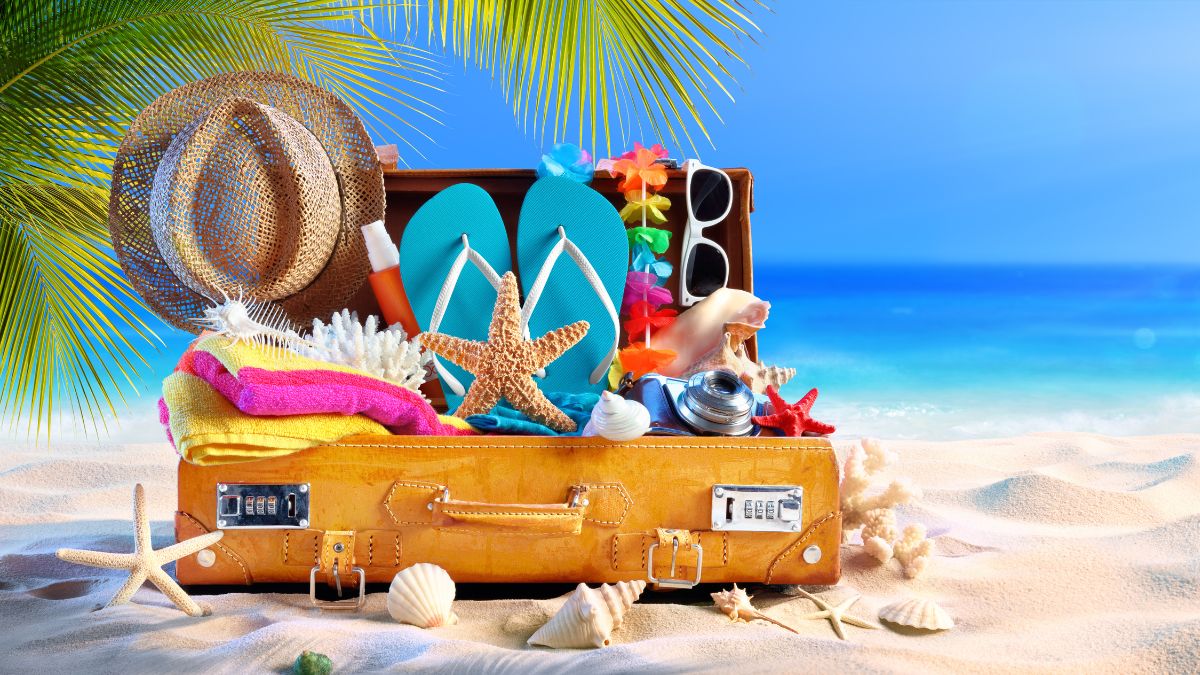
Curaçao packing list at a glance
For a one-week Curaçao vacation, start with:
- Passport and travel documents
- 5–7 lightweight outfits
- 2–3 swimsuits
- 1–2 beach cover-ups
- 1 lightweight evening outfit
- Comfortable sandals
- Flip-flops
- Water shoes
- SPF 50+ sunscreen
- Hat
- Polarized sunglasses
- Rash guard or UV shirt
- Reusable insulated water bottle
- Quick-dry beach towel
- Small beach or dry bag
- Snorkel and mask if you own a good set
- Waterproof phone case
- Chargers and power bank
- Any prescription medication
- Travel insurance details
You can buy forgotten basics in Curaçao, so don’t panic if something stays at home.
The important items are the ones that make long days in the sun and water more comfortable.
What to pack for 7 days in Curaçao
| Item | How much | Why |
|---|---|---|
| Lightweight outfits | 5–7 | Hot-weather sightseeing and dinners |
| Swimsuits | 2–3 | Gives one time to dry |
| Cover-ups | 1–2 | Beach-to-lunch days |
| Rash guards | 1–2 | Extra UV protection |
| Sandals | 1 pair | Willemstad and everyday use |
| Water shoes | 1 pair | Rocky beach and snorkel entries |
| Flip-flops | 1 pair | Pool and beach |
| Sunscreen | Enough for daily use | Strong tropical sun |
| Sunglasses | 1 pair | Water and driving glare |
| Hat | 1 | Additional sun protection |
| Water bottle | 1 | Beach and sightseeing days |
| Quick-dry towel | 1 | Useful for beach hopping |
| Snorkeling gear | Optional | Useful if snorkeling repeatedly |
If you plan to check luggage, you can obviously bring more. But there is little reason to pack seven completely different evening outfits for a Curaçao beach vacation.
1. Sunscreen and sun protection
Sun protection belongs at the top of your Curaçao packing list.
You will spend considerably more time exposed than you might on a normal city trip: walking Willemstad, swimming, snorkeling, sitting on beaches and potentially spending an entire day on a boat.
Bring a high-SPF, broad-spectrum, water-resistant sunscreen that works well for your skin. More importantly, don’t rely entirely on sunscreen.
Combine it with a hat, sunglasses, a rash guard, beach shade and breaks from direct midday sun.
Reapply sunscreen according to the product instructions, particularly after swimming, sweating or drying yourself with a towel.
How much sunscreen should you bring?
For a week of beach-heavy travel, one small bottle may not be enough.
How much you use depends on your group size, clothing and time outside, but bringing more than you think you need is usually easier than hunting for your preferred product halfway through the trip.
Useful for Curaçao
A water-resistant SPF 50+ lotion works well for normal beach days.
A sunscreen stick can also be useful for exposed areas such as your face, ears and nose when you’re away from your hotel.
Choose sun protection that also meets current local rules and environmental guidance. Check current Curaçao guidance before traveling because product recommendations can change.
2. Water shoes
Water shoes are one of the more useful things to pack for Curaçao.
Not every beach has a perfectly soft sandy entry.
Some snorkeling locations and coves have rocks, coral rubble or uneven surfaces between the beach and deeper water.
Water shoes are particularly useful if your trip includes a lot of shore snorkeling, rocky coves, boat excursions or west-coast beach hopping.
Choose something lightweight with decent grip rather than a bulky pair that occupies half your suitcase.
3. Comfortable sandals or walking shoes
Don’t spend the entire trip in water shoes.
For Willemstad, restaurants and normal sightseeing, comfortable sandals or lightweight walking shoes are much more practical.
Punda and Otrobanda are easy to explore on foot, and you may walk considerably farther than expected once you start moving between streets, shops and restaurants.
If you plan to hike in Christoffel National Park, bring proper footwear appropriate for the hike rather than relying on beach sandals.
Flip-flops are useful for the pool and short beach trips, but they shouldn’t be your only footwear.
4. An insulated water bottle
Bring a reusable water bottle.
Curaçao tap water is generally drinkable, making a refillable bottle much more useful than repeatedly buying small plastic bottles.
An insulated bottle is particularly nice on long beach days because water left in a normal bottle inside a hot car quickly becomes unpleasant.
A smaller bottle works for Willemstad. For long west-coast days, either bring a larger bottle or carry extra water in the car.
5. Quick-dry beach towel
Check what your accommodation provides before packing several large towels.
If beach towels aren’t included — or you plan to move between beaches frequently — a lightweight quick-dry towel is much easier to carry than a thick hotel-style towel.
It is particularly useful for west-coast beach hopping, Playa Piskadó, snorkeling days, boat trips and rental-car days.
Some organized tours provide towels, while others expect you to bring your own. Check your ticket before departure.
6. Small dry bag or beach bag
A small waterproof or water-resistant bag is one of the most practical additions to your Curaçao luggage.
It gives you somewhere to keep a phone, wallet, spare clothes, chargers, towel, sunscreen and camera gear.
A proper dry bag becomes particularly useful on a Klein Curaçao boat trip, where spray and wet equipment are much more likely than during a normal beach day.
You don’t need a giant expedition bag. A small roll-top bag is enough for most travelers.
7. Snorkeling gear
Curaçao is one destination where bringing your own snorkeling equipment can actually make sense.
Good shore snorkeling is available at several beaches, so you may use the equipment repeatedly rather than carrying it for one excursion.
Places where your own mask and snorkel can be useful include Playa Lagun, Playa Porto Mari, Tugboat Beach, Cas Abao and Playa Piskadó.
A mask that fits properly matters much more than buying the largest kit available.
If you already own a comfortable mask, bring it. Fins are more optional because they take more luggage space.
Guided snorkeling and Klein Curaçao tours frequently provide equipment, so check your booked excursions before packing a complete set.
See our Curaçao snorkeling tours and spots guide for where you are actually likely to use it.
8. Rash guard or UV shirt
A rash guard is one of the easiest ways to reduce how much exposed skin you have to repeatedly cover with sunscreen.
It is particularly useful for snorkeling, children, boat days, long swims, Klein Curaçao and people who burn easily.
A lightweight long-sleeve UV shirt can also work for beach days when you don’t necessarily want to swim in a rash guard.
For families, this is one of the items to prioritize over novelty beach gear.
9. Polarized sunglasses
Regular sunglasses are useful. Polarized sunglasses are particularly useful around Curaçao’s water.
They reduce glare when you’re driving, sitting beside the ocean, on a boat, fishing, or watching the water while snorkeling.
Bring a pair you are actually comfortable wearing all day.
If you plan a lot of boat or water activities, a simple sunglass strap can also prevent an expensive mistake.
10. Hat
Bring a hat that you will actually wear.
A wide-brimmed hat gives more coverage on a beach, while a cap is often easier in windy conditions.
For boat trips, avoid anything that is likely to disappear into the Caribbean the moment the boat picks up speed.
11. Waterproof phone case
You don’t necessarily need an underwater camera.
A waterproof phone case can be useful for beach days, boat trips and protecting your phone from sand and splashes.
If you intend to take the phone snorkeling, use equipment specifically designed for submersion and follow the manufacturer’s depth and sealing instructions.
Don’t assume an everyday splash-resistant case is suitable for underwater use.
12. Power bank and charging cables
A small power bank is useful on full-day excursions.
Navigation, photos, video and mobile data can drain a phone surprisingly quickly, especially on a long west-coast drive or Klein Curaçao day.
Bring your normal phone charger, any watch or camera chargers, a small power bank and the correct cables.
This is more useful than packing another beach gadget.
What to wear in Curaçao
Curaçao is casual.
For most days, think lightweight, breathable and comfortable rather than dressing specifically for each attraction.
During the day
Wear shorts, lightweight shirts or T-shirts, breathable dresses, sandals, swimwear under a cover-up, a hat and sunglasses. Linen, lightweight cotton and quick-dry fabrics all work well.
At the beach
A swimsuit plus cover-up is enough for most beach days. Add water shoes when you expect a rocky entry and a rash guard when you will spend a long time swimming or snorkeling.
In Willemstad
Normal lightweight vacation clothing works. Wear comfortable shoes because Punda and Otrobanda are best explored on foot. You don’t need hiking equipment for a normal Willemstad day.
For dinner
Most vacation dining is relatively relaxed. A lightweight dress, shirt, polo or other resort-casual clothing will work for many restaurants. Bring one slightly smarter outfit if you have a particular upscale dinner planned.
On a boat
Wear a swimsuit, cover-up or quick-dry clothing, a secure hat, sunglasses and sun protection. A light layer can be useful later on sunset cruises when the wind picks up.
For Klein Curaçao, pack for an entire day rather than treating it like a two-hour boat ride.
What to pack for Curaçao beaches
For a normal west-coast beach day, your bag doesn’t need to be complicated.
Bring sunscreen, water, a towel, swimsuit, sunglasses, a hat, water shoes, snorkel gear if needed, a phone, money or a card, and snacks depending on the beach.
Facilities vary considerably between beaches.
A developed beach such as Mambo is different from spending several hours at a quieter west-coast cove. Check our best beaches in Curaçao guide before assuming every beach has the same food, shade and facilities.
What to pack for Klein Curaçao
Klein Curaçao deserves slightly different preparation because you’re away for most of the day.
Bring sunscreen, a hat, sunglasses, a swimsuit, a towel if not provided, a dry bag, a cover-up, any motion-sickness medication you already use, waterproof phone protection and spare dry clothing if desired.
Food, drinks and snorkeling equipment are included on many organized tours, but inclusions vary. Check your exact ticket rather than packing based on another operator’s itinerary.
See our Klein Curaçao tours guide for the different boat options.
What to pack for snorkeling in Curaçao
For independent shore snorkeling, bring a mask and snorkel, fins if you use them, a rash guard, water shoes where appropriate, a towel, drinking water and sun protection.
Don’t stand on coral and don’t touch marine animals.
If you plan to visit Playa Piskadó for turtles, remember that sightings are never guaranteed and turtles should never be touched, chased or fed. Our snorkeling and turtle snorkeling guides cover the main locations.
What to pack for an ATV tour
ATV days require different clothing from beach days.
Bring or wear closed shoes, clothes you don’t mind getting dusty, sunglasses, a bandana or buff, sun protection, ID, and a driving licence if required by your operator.
If the itinerary includes a swimming stop, add swimwear and a towel.
See our Curaçao ATV tours guide before booking because east- and west-coast routes are quite different.
What to pack for Curaçao with kids
For children, prioritize practical sun and water gear.
Useful additions include rash guards, sun hats, child-friendly sunscreen, familiar water bottles, water shoes, swimwear, snacks for longer drives, and any flotation equipment appropriate for the child and activity.
Don’t rely on inflatable beach toys as safety equipment.
If a child needs a proper flotation device for a boat or water activity, use an appropriate safety product and follow the operator’s requirements.
What not to pack for Curaçao
Too many heavy clothes
You don’t need a suitcase full of jeans, sweaters and heavy jackets. One light layer for air-conditioned spaces or a breezy evening is enough for most visitors.
Seven pairs of shoes
For most trips, sandals, water shoes and possibly proper walking or hiking shoes cover nearly everything.
Large quantities of bottled water
Bring a reusable bottle instead.
Bulky beach toys
Unless you’re traveling specifically for a long family resort stay, giant floats and similar items consume luggage space for very little benefit.
Expensive items you won’t use
Curaçao isn’t an expedition. You don’t need specialized equipment for every possible activity. Rent or use operator-provided gear when it makes more sense.
Carry-on essentials for Curaçao
Put anything difficult to replace in your carry-on rather than checked luggage.
That includes passport, wallet, phone, chargers, medication, travel documents, sunglasses, one lightweight outfit and a swimsuit.
Putting a swimsuit in your carry-on is particularly useful on a Caribbean trip. If checked luggage is delayed, you can still go to the beach.
Documents to bring to Curaçao
Before departure, make sure you have the travel documents required for your nationality and trip.
At minimum, keep easy access to your passport, flight details, accommodation information, onward/return travel details where required, travel insurance information, and a driving licence if renting a car.
Entry requirements can change, so verify current official requirements before traveling rather than relying on an old packing checklist.
Do you need travel insurance for Curaçao?
Travel insurance isn’t something you physically pack, but keep the policy information accessible on your phone and ideally available offline.
If you buy coverage, understand what it includes before traveling — particularly medical treatment, trip interruption and any activities you plan to do. ATV riding, diving and other activities may have different coverage conditions depending on the policy.
Details are on the Curaçao travel insurance guide.
Curaçao packing checklist
Documents
- ☐ Passport
- ☐ Flight details
- ☐ Accommodation details
- ☐ Travel insurance details
- ☐ Driving licence if needed
Clothing
- ☐ 5–7 lightweight outfits
- ☐ 2–3 swimsuits
- ☐ 1–2 cover-ups
- ☐ Rash guard / UV shirt
- ☐ Lightweight dinner outfit
- ☐ Light layer
Shoes
- ☐ Comfortable sandals
- ☐ Flip-flops
- ☐ Water shoes
- ☐ Hiking/walking shoes if needed
Sun protection
- ☐ SPF 50+ sunscreen
- ☐ Hat
- ☐ Polarized sunglasses
Beach and snorkeling
- ☐ Quick-dry towel
- ☐ Beach/dry bag
- ☐ Mask and snorkel
- ☐ Waterproof phone case
Everyday essentials
- ☐ Insulated water bottle
- ☐ Phone charger
- ☐ Power bank
- ☐ Prescription medication
- ☐ Toiletries
Frequently asked questions
What should I pack for Curaçao?
Pack lightweight clothing, swimwear, comfortable sandals, water shoes, sunscreen, sunglasses, a hat and a reusable water bottle. Add snorkeling equipment if you plan to snorkel independently and already own a comfortable set.
What should I wear in Curaçao?
Lightweight, breathable clothing works for most of the trip. Shorts, dresses, T-shirts, linen shirts and sandals are suitable during the day. Resort-casual clothing works for many restaurants in the evening.
Do I need water shoes in Curaçao?
They are not required at every beach, but they are useful. Several coves and snorkeling entries can be rocky or uneven, so water shoes are one of the more practical things to pack.
Do I need snorkeling gear in Curaçao?
No. Tours frequently provide equipment and gear can be rented or bought locally. However, bringing your own mask makes sense if you plan to snorkel independently several times and already know that it fits comfortably.
Should I bring a beach towel to Curaçao?
Check your hotel or vacation rental first. If beach towels aren’t provided, a lightweight quick-dry towel is useful for beach hopping and snorkeling days.
Can you drink tap water in Curaçao?
Curaçao’s tap water is generally considered safe to drink, making a reusable bottle practical for most travelers.
What should I wear at night in Curaçao?
Most vacation dining is relaxed. Lightweight dresses, shirts, polos, trousers or other resort-casual clothing work well. Bring something slightly smarter if you have a particular upscale restaurant planned.
Do I need a jacket in Curaçao?
You generally don’t need a heavy jacket. A lightweight layer can be useful for strong air conditioning, windy evenings or sunset boat trips.
What should I pack for 7 days in Curaçao?
Five to seven lightweight outfits, two or three swimsuits, a couple of cover-ups, sandals, water shoes, sun protection and normal toiletries are enough for most week-long trips. You can repeat outfits and use laundry if available.
What should I not bring to Curaçao?
Avoid overpacking heavy clothes, too many shoes and bulky beach accessories you will barely use. Curaçao is warm and casual, and most basic items can be purchased locally if you forget something.
Do I need reef-safe sunscreen in Curaçao?
Choose sun protection that meets current local rules and environmental guidance, while also providing sufficient broad-spectrum UV protection for your skin. Check current Curaçao guidance before traveling because product and environmental recommendations can change.
Continue planning your Curaçao trip
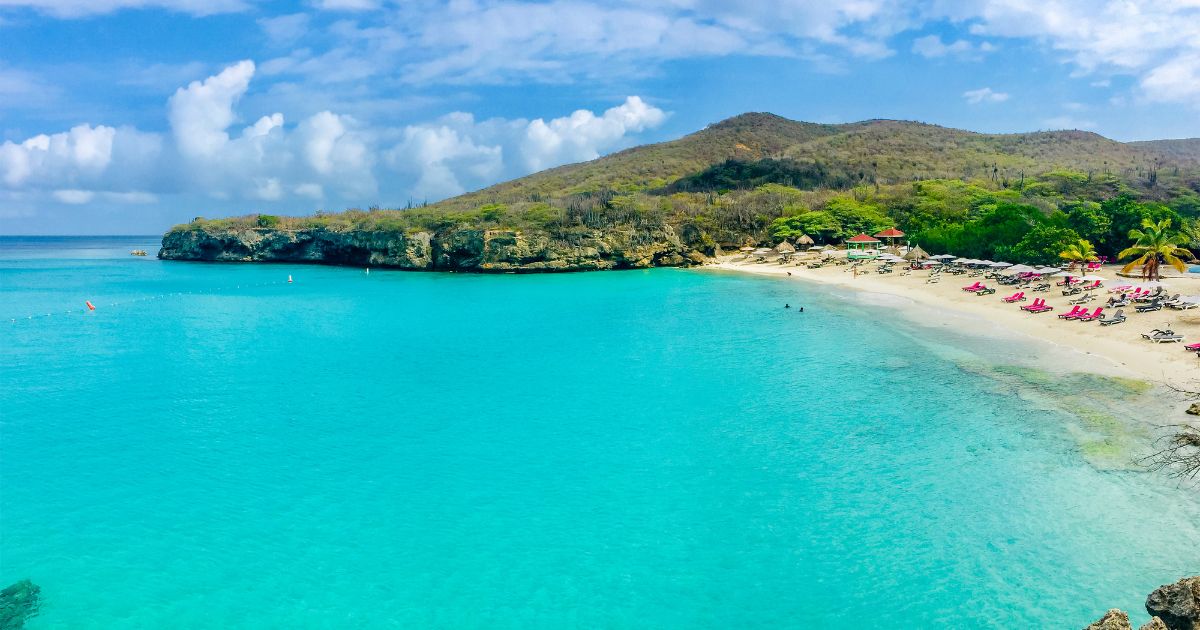
Best beaches in Curaçao
Grote Knip, Cas Abao, Porto Mari and nine more Curaçao beaches compared by swimming, snorkeling and location.
Read full guide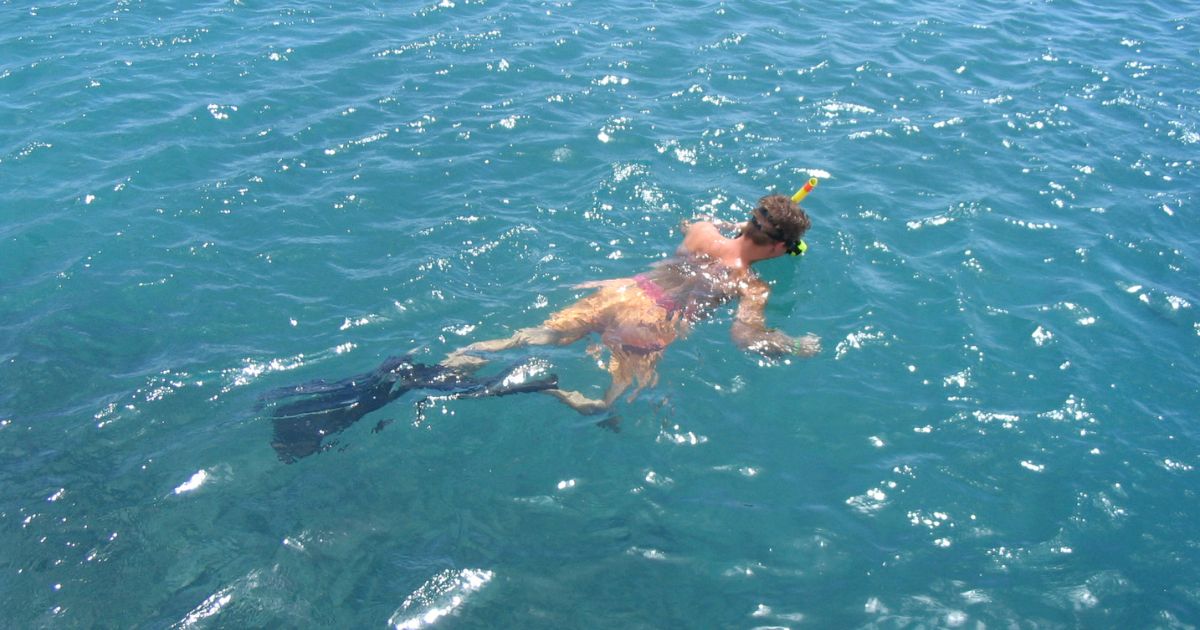
Curaçao snorkeling tours
Porto Mari, Lagun, Tugboat and when a guided snorkeling tour is actually worth it.
Read full guide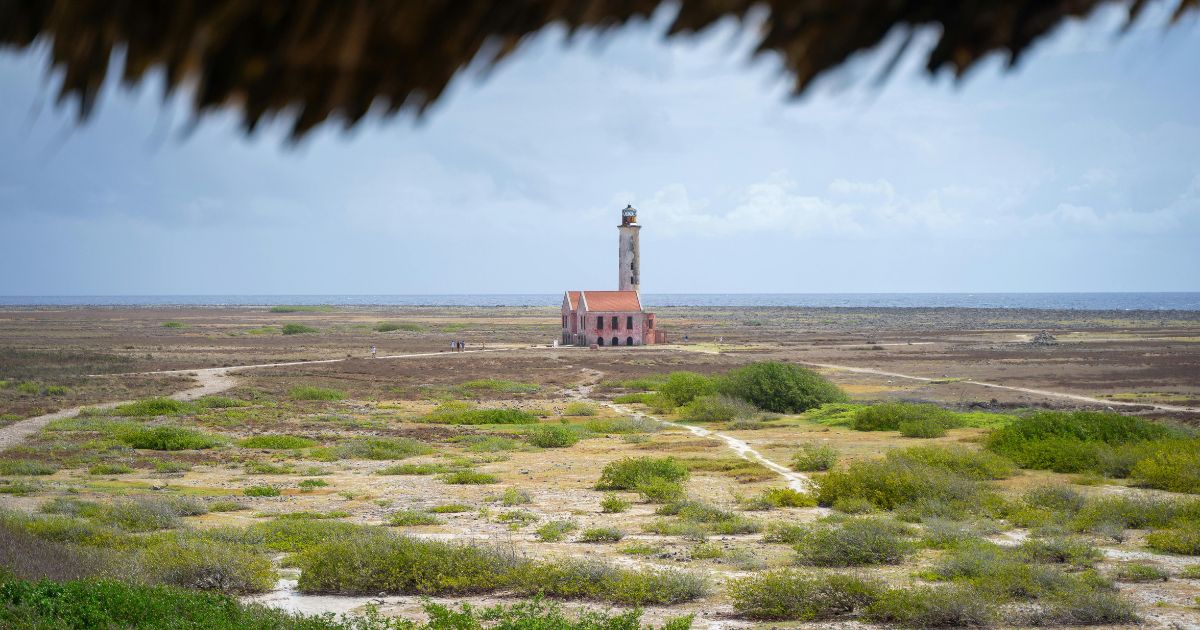
Klein Curaçao tours
Catamaran, yacht, powerboat or sunset: the different ways to book a Klein Curaçao day trip, with who each type suits.
Read full guide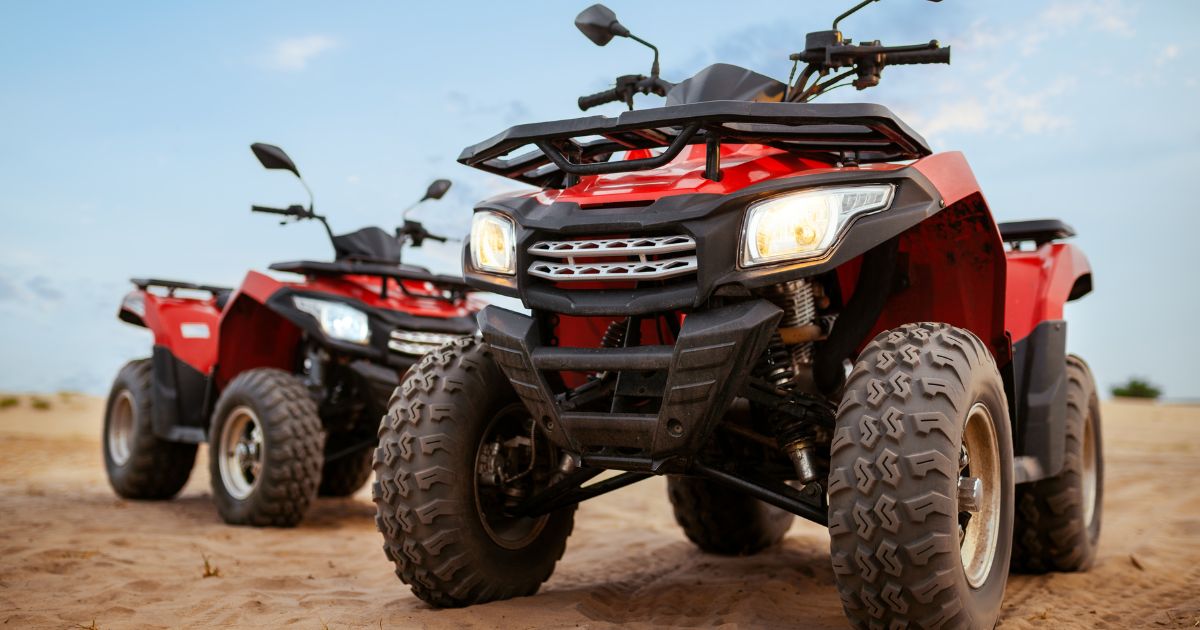
Curaçao ATV tours
Compare Curaçao ATV tours on the east and west coast, including caves, Playa Kanoa, flamingos and Kokomo Beach.
Read full guide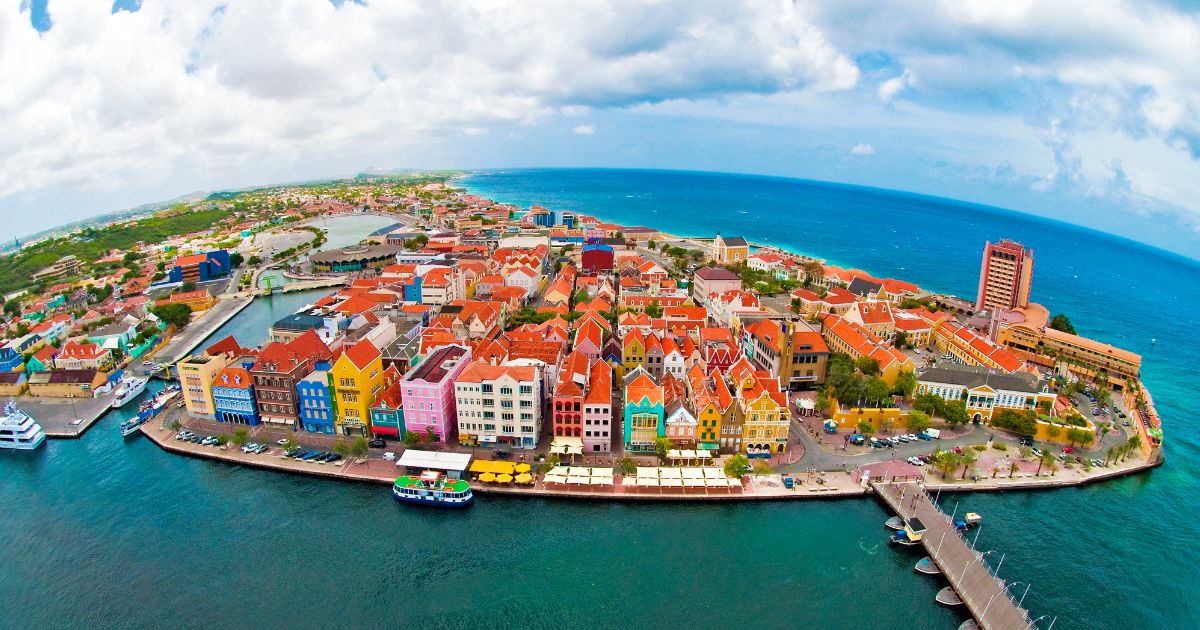
Getting around Curaçao
Do you need a car in Curaçao? Compare rental cars, taxis, public transport and walking, plus how to reach beaches, Westpunt and Willemstad.
Read full guide
Things to do in Curaçao
15 of the best things to do in Curaçao: Willemstad, west-coast beaches, snorkeling, Klein Curaçao, ATV tours and sunset cruises.
Read full guide