Fofoti Tree Guide
Fofoti Tree Aruba: Location, Photos & Best Time to Visit
The Fofoti Tree in Aruba is one of the island's most recognizable natural landmarks. With its twisted trunk, windswept branches, and beautiful setting on Eagle Beach, it's one of the most photographed trees in the Caribbean.
Shaped by Aruba's persistent trade winds, the famous leaning tree has become a symbol of the island and a popular backdrop for vacation photos, family portraits, engagement pictures, and romantic beach photography.
There's something many visitors get wrong: the Fofoti Tree is not a Divi-Divi Tree. Although both trees develop distinctive windswept shapes, they're different species.
This guide explains where to find the Fofoti Tree, how to get there, the best time to take photos, and the differences between Aruba's two famous trees.
ArubaBuddies is an independent Aruba travel guide. We may earn a commission from bookings made through our links, at no additional cost to you.
Compare Photographers in ArubaFofoti Tree Aruba — Quick Facts
| Location | Eagle Beach, Aruba |
|---|---|
| Admission | Free |
| Opening hours | Public beach access; no attraction opening hours |
| Best time to visit | Early morning or around sunset |
| Time needed | 15–45 minutes |
| Best for | Photography, couples, families, sightseeing |
| Nearby attractions | Eagle Beach, Manchebo Beach, low-rise hotel area |
| Famous for | Distinctive windswept shape |
| Photography | Self-guided photos or professional photoshoots |
Where Is the Fofoti Tree in Aruba?
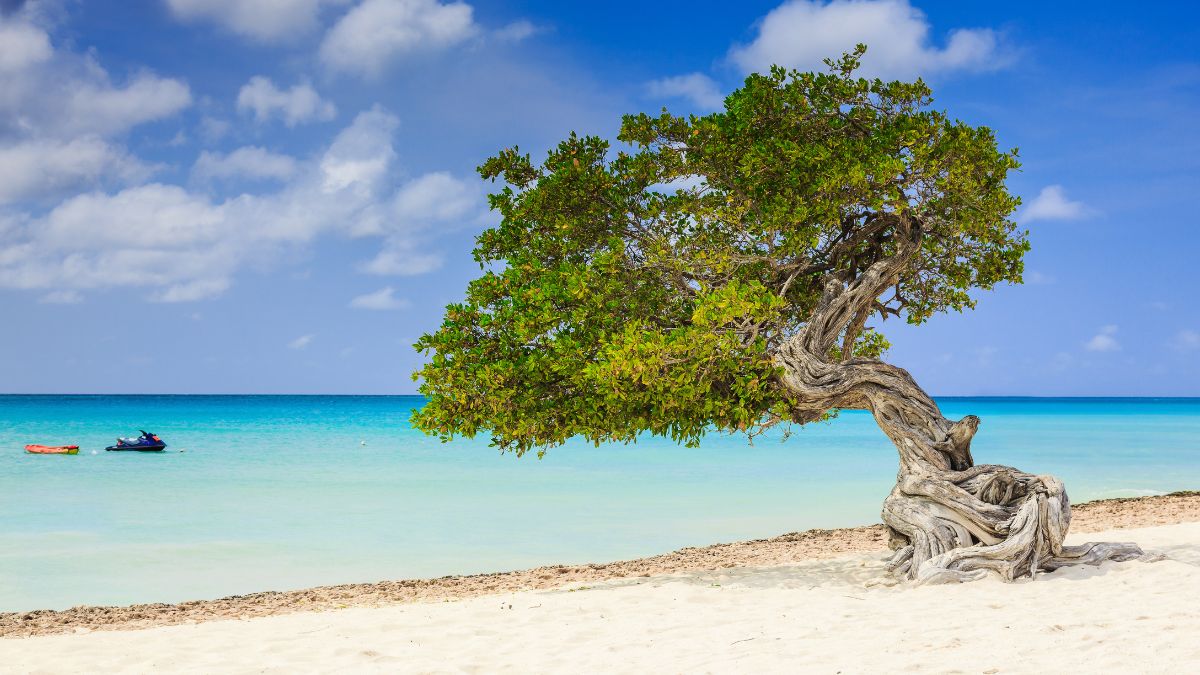
The famous Fofoti Trees are located on Eagle Beach, along Aruba's western coastline, near the island's low-rise hotel area.
Eagle Beach is known for its wide stretch of white sand, turquoise Caribbean water, and iconic leaning trees that have appeared in countless vacation photographs.
The Fofoti Trees are relatively easy to reach compared with some of Aruba's more remote natural attractions.
How to Get to the Fofoti Tree
- From Palm Beach: Approximately 10–15 minutes by car, depending on your starting point and traffic.
- From Oranjestad: Approximately 10 minutes by car.
- From Eagle Beach hotels: Many accommodations are within walking distance.
- By taxi: Ask your driver to take you to the famous Fofoti Trees on Eagle Beach.
- By rental car: Navigate to Eagle Beach and use the marked Fofoti Tree location on your map.
- By bicycle: The Eagle Beach area can also be reached by bicycle from nearby resort areas. Account for Aruba's heat and wind.
The trees are located on a public beach, so you don't need a ticket or organized tour to visit them.
Get Directions to the Fofoti TreeJump to a section
What Is the Fofoti Tree in Aruba?
The Fofoti Tree is a coastal tree species known scientifically as Conocarpus erectus, commonly called buttonwood or button mangrove.
These trees can grow in coastal environments and are recognizable for their twisted trunks and branches.
In Aruba, persistent trade winds influence the growth of exposed trees, producing the distinctive leaning shapes that visitors associate with the island.
The Fofoti Trees on Eagle Beach are especially famous because their dramatic silhouettes contrast beautifully with the white sand and turquoise sea.
They've become one of Aruba's most recognizable natural photography subjects.
Is the Fofoti Tree a Divi-Divi Tree?
No. The Fofoti Tree and Divi-Divi Tree are two different species.
They're frequently confused because both can develop dramatic windswept shapes in Aruba's constant trade winds.
The iconic leaning trees photographed on Eagle Beach are Fofoti trees, although they're often incorrectly identified as Divi-Divi trees in travel photos and online guides.
Fofoti Tree vs. Divi-Divi Tree: What's the Difference?
| Feature | Fofoti Tree | Divi-Divi Tree |
|---|---|---|
| Scientific name | Conocarpus erectus | Libidibia coriaria |
| Also known as | Buttonwood or button mangrove | Watapana |
| Typical habitat | Coastal areas and sandy beaches | Drier inland landscapes |
| Appearance | Twisted trunk and windswept coastal canopy | Broad, often dramatically windswept canopy |
| Famous Aruba setting | Eagle Beach | Various locations across Aruba |
| Often confused? | Yes | Yes |
Why Do Both Trees Lean in the Same Direction?
Aruba experiences persistent easterly trade winds. Over many years, these winds influence how exposed trees grow, often producing branches and canopies that lean away from the prevailing wind.
Both Fofoti and Divi-Divi trees can develop distinctive shapes, commonly associated with a southwestward lean. This is why Aruba's wind-shaped trees are sometimes called a natural compass.
The trees' shapes aren't reliable enough to use for navigation.
Which Tree Is Famous on Eagle Beach?
If you're looking for the iconic leaning tree photographed against Eagle Beach's white sand and turquoise water, you're looking for a Fofoti Tree.
The Divi-Divi, also called Watapana, is a separate species that is another well-known symbol of Aruba.
Best Time to Photograph the Fofoti Tree
The Fofoti Tree is beautiful throughout the day, but lighting can make a big difference to your photographs.
Sunrise: Best for Quieter Photos
Early morning is a good choice if you want fewer people in the background and more time to experiment with different angles.
- Generally fewer visitors on the beach.
- Cooler temperatures.
- Softer morning light.
- More room for family or couple portraits.
- A peaceful atmosphere.
Because Eagle Beach faces west, sunrise doesn't occur over the ocean here. Early sunlight comes from the landward side, creating a different look from sunset photography.
Sunset: Best for Golden-Hour Photography
Sunset is especially popular because the sun sets over the Caribbean Sea. Depending on your position and the season, you can capture the Fofoti Tree with warm light, colorful skies, or a dramatic silhouette.
Sunset works particularly well for:
- Couples photography.
- Engagement pictures.
- Honeymoon portraits.
- Romantic vacation photos.
- Silhouette photography.
- Family portraits.
Arrive before sunset to find your preferred angle and avoid rushing.
Midday: Best for Bright Beach Colors
Midday isn't always ideal for portraits because the sunlight can create harsh shadows. It can work well for photographs emphasizing Eagle Beach's bright white sand and turquoise water.
If you're already spending the day at Eagle Beach, you don't need to make a separate trip just to photograph the tree.
Professional Photography at the Fofoti Tree
The Fofoti Tree is one of Aruba's most recognizable photography backdrops, making it an appealing location for vacation portraits.
Whether you're celebrating a honeymoon, planning a proposal, or simply want professional family photos, a local photographer can help you capture memorable images during your trip.
Popular Aruba Photography Experiences
- Couples and honeymoon photography. Capture romantic portraits on Aruba's beaches, including golden-hour and sunset sessions.
- Family vacation photography. Professional family portraits provide a lasting memory of your Aruba vacation without having to rely on selfies or asking strangers to take pictures.
- Engagement and proposal photography. Aruba's beaches are popular settings for proposals, anniversaries, and engagement sessions.
- Solo vacation portraits. A professional session can also be worthwhile for solo travelers who want high-quality photographs from their vacation.
Compare Professional Photographers in Aruba
Photography experiences vary by duration, location, group size, editing, and the number of images included. When comparing photographers, check:
- Whether the photographer offers Eagle Beach or Fofoti Tree sessions.
- Session duration and meeting location.
- Number of edited photographs included.
- Photo delivery time.
- Whether sunset appointments are available.
- Cancellation policies.
- Reviews and sample photography.
Not every Aruba photography experience includes the Fofoti Tree. Confirm the exact shooting location with the photographer before booking.
Browse Aruba photography experiences, compare prices and reviews, and check availability on Viator.
Compare Photographers in ArubaBest Photo Ideas at Aruba's Fofoti Tree
You don't need professional equipment to take beautiful pictures at the Fofoti Tree. The tree's distinctive shape already creates a natural focal point.
1. The Classic Aruba Postcard Photo
Position the tree in the foreground with Eagle Beach's turquoise water behind it. Try photographing from several distances to capture both the shape of the tree and the surrounding beach.
2. Couple Standing Beneath the Branches
The tree's leaning branches can create a natural frame for couples photography. Stand near the tree without leaning on or climbing its branches.
3. Sunset Silhouette
Photograph the tree against the evening sky to emphasize its distinctive shape. You can also include a person or couple in the frame for scale.
4. Wide-Angle Beach Landscape
Use a wide-angle lens or your phone's wide-angle setting to capture the tree, white sand, and Caribbean Sea together.
5. Family Vacation Portrait
The tree makes an easily recognizable Aruba backdrop for family photographs. For the best results, photograph when the light is softer and the beach is less crowded.
Why Is the Fofoti Tree Famous?
The Fofoti Tree has become an unofficial symbol of Aruba because its windswept shape captures one of the island's defining natural features: the persistent trade winds.
Combined with Eagle Beach's white sand and turquoise water, the tree creates a scene that's instantly recognizable in travel photography.
The trees have appeared in vacation photographs, postcards, tourism imagery, and souvenirs for years. Their popularity also reflects how simple natural landmarks can become memorable parts of a destination.
The Fofoti Tree can be enjoyed during an ordinary beach walk. There is no admission and no guided excursion required.
Is the Fofoti Tree Free to Visit?
Yes. The Fofoti Tree is free to visit.
It's located on Eagle Beach, a public beach in Aruba. There is no admission fee to photograph the tree or enjoy the surrounding beach.
You also don't need a professional photographer or guided tour to visit. Professional photography sessions are entirely optional.
Can You Walk to the Fofoti Tree From Eagle Beach?
Yes. The famous Fofoti Trees are located on Eagle Beach itself. If you're staying in the low-rise hotel area, you may be able to walk there directly.
Visitors staying farther away, including in Palm Beach or Oranjestad, may prefer to drive, cycle, or take a taxi.
Allow extra time if you want to explore Eagle Beach or take photographs along the way.
Nearby Places to Visit
The Fofoti Tree makes an easy addition to a relaxed day exploring Aruba's western coastline.
Eagle Beach
One of Aruba's best-known beaches, Eagle Beach offers a wide stretch of white sand and calm-looking turquoise scenery. It's the natural place to spend time before or after visiting the Fofoti Tree.
Manchebo Beach
Located farther south along the coast, Manchebo Beach is another beautiful setting for beach walks and sunset photography.
Palm Beach
The Palm Beach resort area offers restaurants, shops, watersports, and a livelier atmosphere. It's a short drive from Eagle Beach.
California Lighthouse
For a longer sightseeing outing, head north to California Lighthouse for panoramic coastal views and additional photography opportunities.
Aruba Aloe Factory
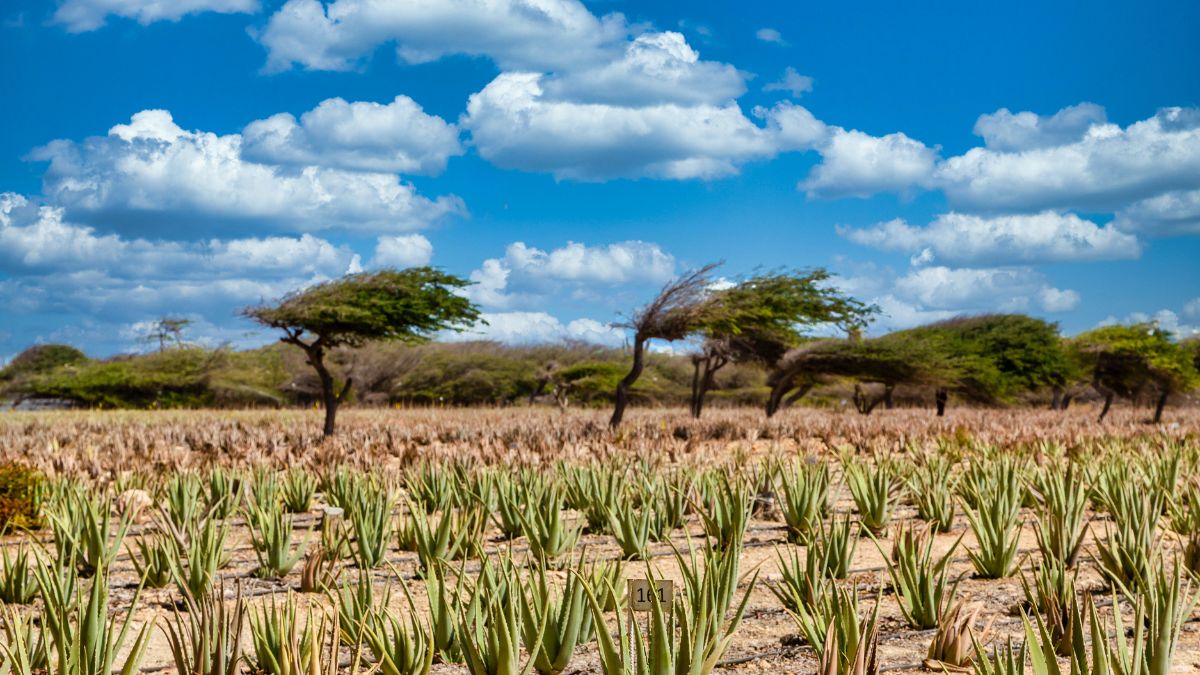
If you'd like to combine a beach stop with something educational, consider visiting Aruba Aloe to learn about the island's aloe-growing heritage.
Tips for Visiting the Fofoti Tree
- Visit early for quieter photographs. Morning can be a good time to avoid busy beach backgrounds.
- Plan around the light. Sunset is ideal for warm colors and silhouettes, while midday emphasizes the bright sea and sand.
- Don't climb the tree. Its branches are part of a living natural landmark and should be protected.
- Respect other visitors. The tree is a popular photography spot, so allow others space to take pictures.
- Bring water and sun protection. Aruba's sunshine can be intense even during a short stop.
- Keep the beach clean. Avoid leaving props, decorations, or other materials behind.
- Check the wind. Aruba's trade winds can affect hairstyles, dresses, lightweight photography equipment, and drone operations.
- Consider a professional photographer. For special occasions, compare local photography experiences and confirm whether your preferred location is included.
FAQ
Frequently Asked Questions About the Fofoti Tree
- Where is the Fofoti Tree in Aruba?
- The famous Fofoti Trees are located on Eagle Beach along Aruba's western coast, near the low-rise hotel area.
- Is the Fofoti Tree the same as the Divi-Divi Tree?
- No. The Fofoti Tree (Conocarpus erectus) and Divi-Divi Tree (Libidibia coriaria) are different species. The iconic leaning trees on Eagle Beach are Fofoti trees.
- Why do Fofoti trees lean?
- Aruba's persistent trade winds influence the growth of exposed trees, creating the characteristic windswept shapes associated with Fofoti and Divi-Divi trees.
- What is the famous tree in Aruba called?
- Aruba is famous for both Fofoti and Divi-Divi trees. The iconic leaning trees photographed on Eagle Beach are Fofoti trees.
- Are there Fofoti trees on Eagle Beach?
- Yes. Eagle Beach is home to Aruba's famous leaning Fofoti Trees, which are popular subjects for travel and vacation photography.
- Is the Fofoti Tree free to visit?
- Yes. The trees are located on a public beach and can be visited without paying admission.
- What is the best time to photograph the Fofoti Tree?
- Early morning is good for quieter conditions, while sunset offers warm lighting and the possibility of dramatic silhouettes against the Caribbean Sea.
- Can you take professional photos at the Fofoti Tree?
- Yes, the trees are popular photography subjects. If booking a professional photographer, confirm the location and any applicable photography requirements before your session.
- How far is the Fofoti Tree from Palm Beach?
- It's approximately 10–15 minutes by car from the Palm Beach area, depending on traffic and your starting point.
- Can you walk to the Fofoti Tree?
- Yes, if you're already on Eagle Beach or staying at nearby low-rise accommodations. Visitors staying farther away may need transportation.
- What is the difference between Fofoti and Divi-Divi trees?
- Fofoti trees are coastal buttonwood trees, while Divi-Divi trees are a different species known locally as Watapana. Both can develop distinctive windswept shapes.
- Is the Fofoti Tree worth visiting?
- Yes, especially if you're already exploring Eagle Beach. It's a free, easily accessible landmark that provides one of Aruba's most recognizable photography backdrops.
Last updated: October 2026.
Plan Your Visit to the Fofoti Tree
The Fofoti Tree is one of Aruba's simplest and most memorable natural attractions. Whether you're stopping for a quick photograph, exploring Eagle Beach, or planning a professional vacation photoshoot, it's a beautiful way to experience one of the island's most recognizable landmarks.
Visiting is free, and you can easily combine the stop with a relaxing beach day.
If you'd like professional photographs to remember your Aruba vacation, compare local photographers, prices, reviews, and availability before booking.
Related guides
A few more Hidden Gems reads that pair with this page.

Best Photographers & Photoshoots in Aruba (2026)
Compare 22 Aruba photoshoots and photographers, from beach portraits and family sessions to clear kayak and drone photography. See prices and book online.
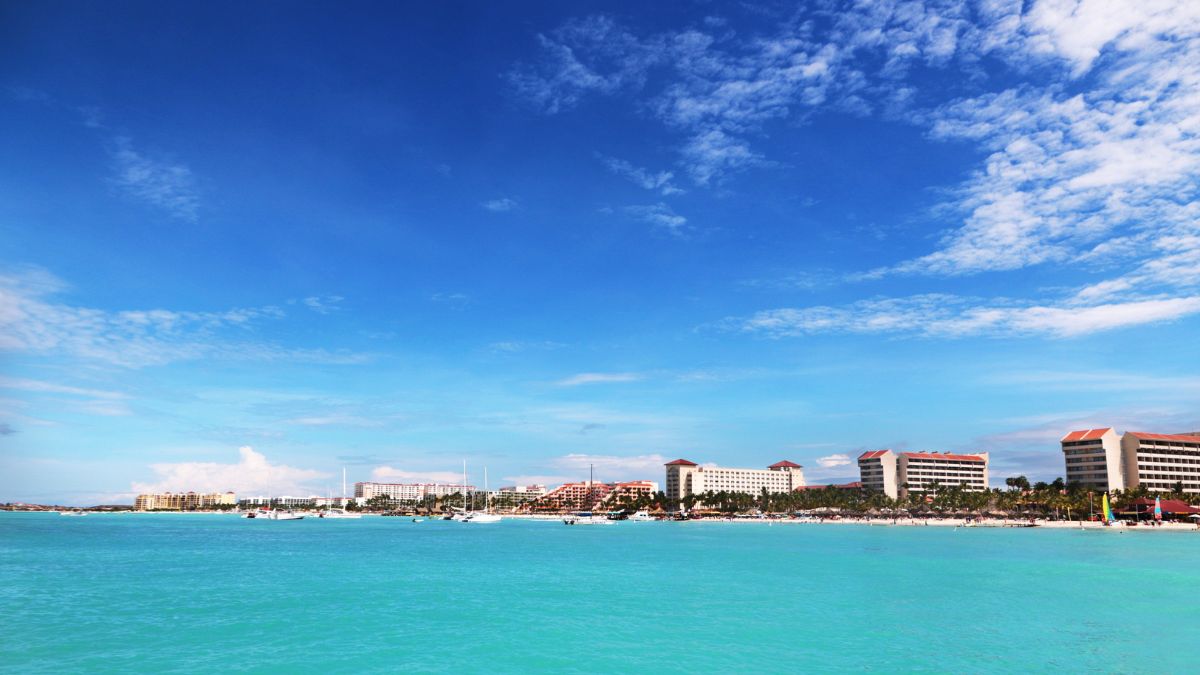
Eagle Beach vs Palm Beach Aruba: Where to Stay?
Eagle Beach or Palm Beach in Aruba? Compare beaches, hotels, nightlife, families, walkability and where to stay for your vacation.
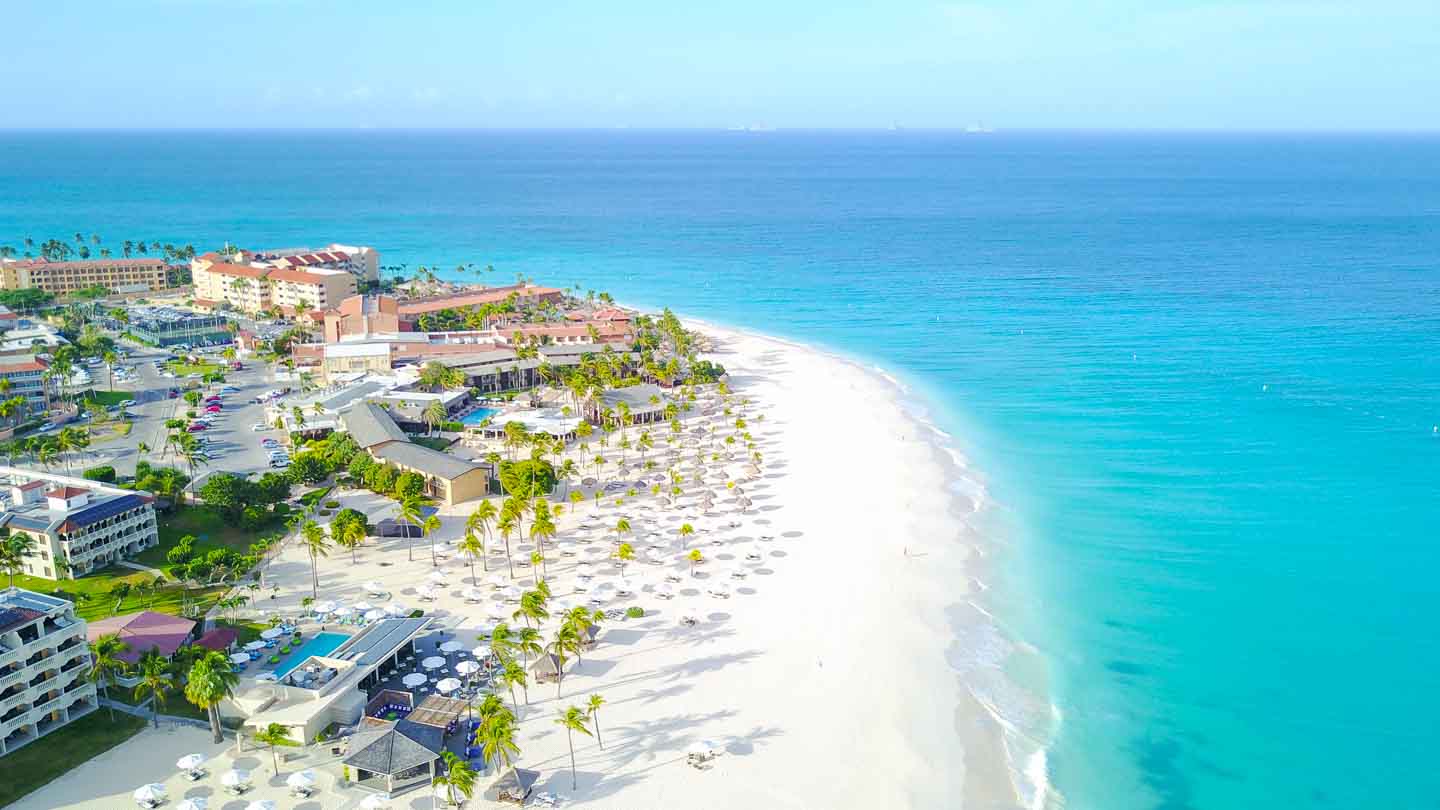
10 Best Beaches in Aruba (2026): Map, Swimming & Snorkeling
Discover the 10 best beaches in Aruba, ranked for swimming, snorkeling, families and couples. Compare Eagle Beach, Palm Beach, Baby Beach and more.

Best Romantic Hotels in Aruba (2026): Honeymoon Resorts
Discover the best romantic hotels in Aruba for honeymoons, anniversaries and couples. Compare beachfront luxury, boutique stays and all-inclusive resorts.
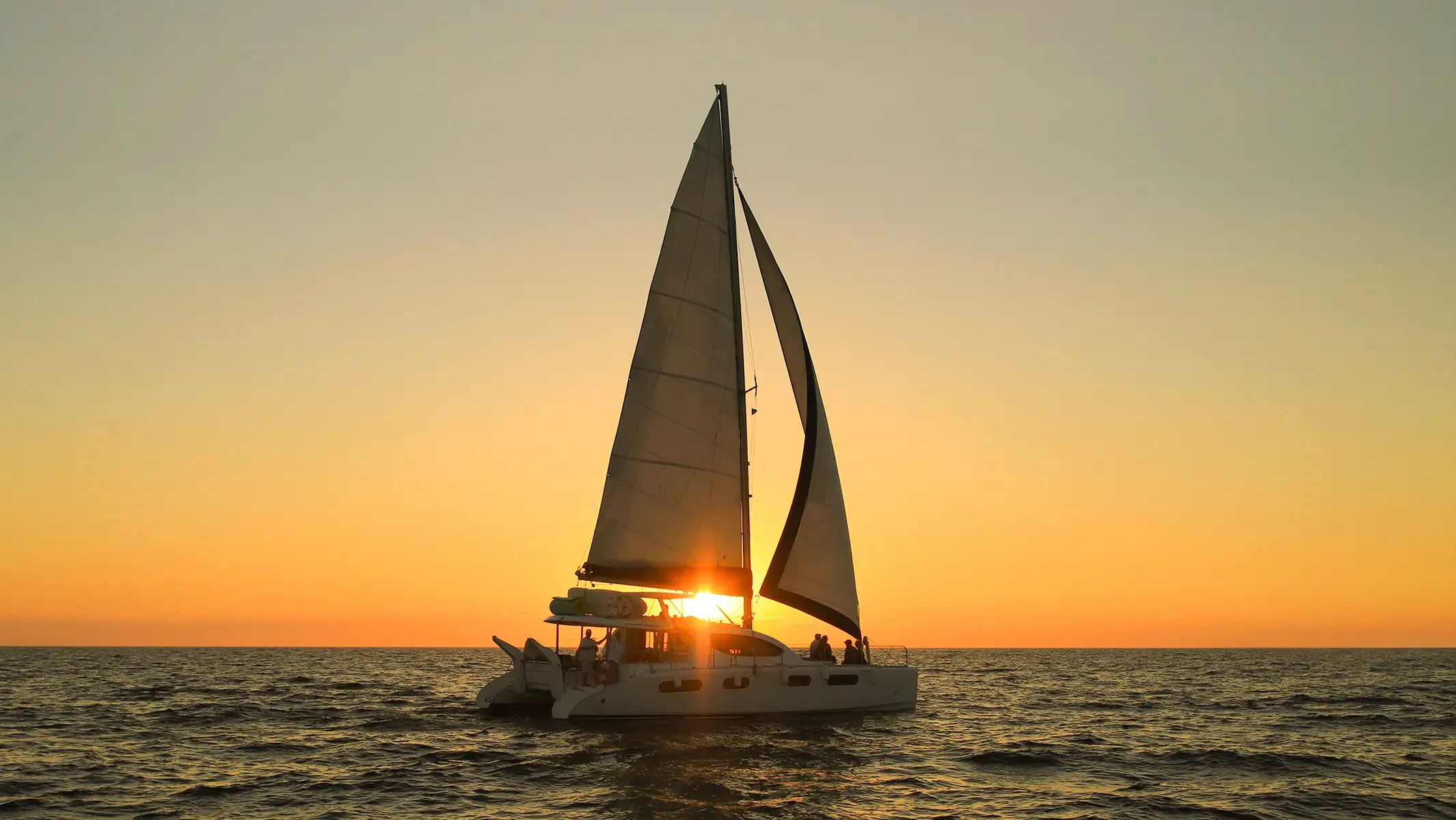
Best Sunset Cruises in Aruba: Luxury Catamaran Experiences
Compare Aruba sunset cruises by price and style, including Red Sail, Dolphin, Octopus, Black Pearl, Pelican, Arusun, and dinner sails.
Aruba Aloe Products (2026): Best Picks & Where to Buy
Discover the best Aruba Aloe products, including after-sun lotions and skincare. Find factory and store locations, shopping tips and where to buy online.
Photos at the Fofoti tree?
Compare Aruba photographers and photoshoot tours.
Compare Aruba Photographers